Why the Era of Low-Cost Product Dropshipping Is Coming to an End in 2026
Introduction: Low-Cost Winning Products Can Still Work, but the Old Model Is Getting Harder
For many years, the success formula for dropshipping was simple: find a cheap product, create an eye-catching video ad, list it on a Shopify store, and ship it directly from a supplier to overseas customers.
This model worked very well in the past. Traffic was cheaper, competition was less intense, consumers were more tolerant of long international shipping times, and low-value parcel imports faced fewer restrictions. A product that cost $2 to source could be sold for $19.99. A small accessory that cost $4 could be packaged as a “creative gift” and sold for $24.99. In the early days, this was enough for many sellers to generate strong profit margins.
But in 2026, this model is becoming much harder.
To be clear, low-cost products are not disappearing. The problem is not the price itself. The real issue is the old dropshipping approach: finding a cheap product, copying supplier images, running aggressive ads, using the cheapest shipping method, and hoping the customer does not complain.
That method is losing its advantage.
Today, consumers, platforms, logistics costs, import regulations, and advertising markets have all changed. Future dropshipping competition will not be about who can find the cheapest product. It will be about who can create stronger product value, better branding, more reliable fulfillment, and a better customer experience.
1. Why Low-Cost Dropshipping Used to Be Easy
Low-cost products were attractive to early dropshipping sellers because they looked low-risk, high-margin, and easy to test.
These products were usually small, lightweight, and simple to ship. Sellers did not need to hold inventory, rent a warehouse, or build a complex after-sales system. They only needed to find a product with a clear selling point, test it with ads, and scale it if the numbers worked. If the product failed, they could quickly move on to the next one.
This model was built on several advantages.
The first was the supply chain advantage. Chinese manufacturing gave global sellers access to a huge number of low-cost products.
The second was the logistics advantage. Cross-border small parcel shipping used to be relatively affordable, and many sellers could accept longer delivery times.
The third was the traffic advantage. In the earlier stages of Facebook, Instagram, TikTok, and other paid ad platforms, competition was not as intense as it is today.
The fourth was the information gap. Consumers could not easily compare the same product across Amazon, AliExpress, Temu, TikTok Shop, and independent stores. They also had less visibility into where the product actually came from.
By 2026, these advantages are fading. The rapid growth of low-value cross-border parcels has pushed governments, customs authorities, and platforms to pay closer attention to tax collection, product safety, environmental impact, and fair competition.
This means the old low-cost dropshipping model is no longer as easy as it once was.
2. The Real Cost of Low-Cost Products Is Increasing
In the past, many dropshipping sellers calculated profit using only three numbers: product cost, shipping cost, and selling price.
For example, if a product cost $3, shipping cost $5, and the product sold for $29.99, the margin looked attractive.
But in 2026, that calculation is no longer enough.
Sellers now need to include import duties, VAT, customs clearance costs, platform fees, advertising costs, payment processing fees, refund rates, lost parcel rates, packaging costs, customer support, and after-sales compensation.
This is where low-cost products become risky. Because the selling price is low, even a small increase in cost can damage the profit margin.
For example, if a product sells for $19.99 and the product plus shipping already costs around $9, the seller may have very little room left after advertising, transaction fees, refunds, and customer service. If the product is delayed, damaged, incorrectly sized, or poorly described, the small remaining profit can disappear immediately.
Low-cost products often look profitable on paper, but once real operating costs are included, the net profit can be much smaller than expected.
For sellers targeting the United States, the European Union, the United Kingdom, or other mature markets, import compliance is becoming more important. Product declarations, labeling, customs documents, tax rules, packaging requirements, and platform policies all matter more than before.
In other words, low-cost dropshipping is no longer just about “shipping cheap products overseas.” It is becoming a more regulated and operationally demanding business.
3. The Small Parcel Advantage Is Shrinking
One of the reasons low-cost dropshipping worked so well was the favorable treatment of low-value parcels. Many inexpensive products could enter overseas markets at relatively low logistics and import costs, which gave cross-border direct shipping a strong advantage.
That environment is changing.
As low-value parcel volume has grown rapidly, customs authorities in major markets have started to review these imports more carefully. This affects delivery speed, customs clearance stability, tax costs, and final profit margins.
For sellers who rely heavily on cheap cross-border shipping, this is a serious change.
If a product sells for only $12.99 or $14.99, an additional cost of even $1 to $3 per parcel can create major pressure. The seller may need to raise prices, accept lower margins, switch products, or improve the product’s perceived value.
No matter which option the seller chooses, the old strategy of relying only on extremely low product prices becomes less sustainable.
4. Rising Advertising Costs Make Low-Cost Products Harder to Scale
Another major problem with low-cost products is advertising cost.
In the past, sellers could test a product with a simple video ad and quickly generate orders if the creative performed well. Today, the market is much more crowded. TikTok, Meta, Google, and other platforms are filled with similar products, similar videos, and similar offers.
Many “winning products” are copied by dozens or even hundreds of sellers within a short time. Ad creatives burn out faster, conversion costs become less stable, and consumers become less responsive to generic product ads.
Low-cost products have one major weakness: low average order value.
When the selling price is low, the seller has very little room for advertising mistakes. If a product sells for $19.99, and product cost, shipping, payment fees, and other costs are already high, the seller may only have a small advertising budget before the order becomes unprofitable.
Higher-priced products, bundles, and branded products have a stronger advantage because they can support higher customer acquisition costs.
For example, a pet grooming kit sold for $49.99, a travel organizer bundle sold for $39.99, or a customized bag sold for $59.99 can absorb advertising costs much better than a single low-cost gadget.
That is why dropshipping sellers in 2026 should no longer ask only, “How much does this product cost?”
They should ask:
Can this product be bundled?
Can it be branded?
Can it support a higher average order value?
Can customers understand why it is worth more?
Can the supply chain support reliable delivery?
5. Consumers No Longer Care Only About Cheap Prices
Consumers in 2026 have been trained by Amazon, local warehouses, TikTok Shop, and professional DTC brands. Their expectations are much higher than before.
They do not only care about price. They also care about when the product will ship, how many days delivery will take, whether the tracking information is clear, whether the packaging looks professional, whether the product matches the advertisement, and whether customer service can solve problems quickly.
This creates pressure for low-cost dropshipping sellers.
Low-priced products often do not leave enough profit to support faster shipping, better packaging, clear instructions, quality inspection, or responsive after-sales support. If the seller uses the cheapest logistics channel to protect margins, customers may experience slow delivery, poor tracking, lost parcels, or delayed updates.
In the past, some customers were willing to wait 15 or even 20 days for a cheap product. Today, if the delivery promise is unclear or tracking updates are slow, customers are more likely to request a refund, leave a negative review, or file a dispute.
The real problem with low-cost products is not that they are cheap. The problem is that they often do not have enough profit margin to support a complete customer experience.
6. Low-Cost Products Are Easy to Compare and Copy
Low-cost dropshipping products have another natural weakness: they are easy to copy.
If a seller is selling an ordinary phone stand, storage bag, pet brush, cleaning tool, or small kitchen gadget, customers can often find a similar product on Amazon, Temu, AliExpress, TikTok Shop, or another independent store.
Once customers realize the product is not unique, they will usually choose the cheaper option, the faster delivery option, or the seller with stronger reviews.
This is one of the biggest reasons low-cost dropshipping is becoming harder.
Consumers can accept a higher price, but they need to see a reason behind it. That reason can be better design, better packaging, clearer instructions, faster delivery, better after-sales service, or a more complete product bundle.
For example, an ordinary pet brush is easy to compare. But a pet grooming kit that includes a brush, hair remover, cleaning wipes, storage bag, usage guide, and branded packaging is much harder to compare directly.
A basic travel storage bag is easy to compare. But a travel packing kit with compression bags, shoe bags, toiletry bags, clothing organizers, and a travel checklist card feels more valuable.
A generic bag is difficult to sell at a premium. But if it supports embroidery, printed logos, custom labels, inner tags, branded packaging, and thank-you cards, it becomes a product that can support long-term brand building.
7. Compliance Is Eliminating the “Sell Anything Cheap” Mentality
Many early dropshipping sellers ignored product compliance. They focused only on whether a product could generate orders.
But in 2026, compliance is becoming a much more important part of dropshipping.
Sellers need to be careful with children’s products, electronics, products with batteries, food-contact products, cosmetics, skincare products, health-related products, and anything that makes strong performance or medical claims.
These products may require certifications, testing reports, clear labeling, ingredient information, packaging compliance, or special shipping documentation.
A cheap product without proper documentation can lead to ad rejection, product removal, customs issues, customer complaints, payment disputes, or even legal risk.
Packaging compliance is also becoming more important, especially in Europe. Regulations around packaging waste, recyclability, over-packaging, labeling, and environmental responsibility are becoming more serious. Sellers who ignore packaging requirements may face higher long-term risks.
For dropshipping sellers, packaging is no longer just about appearance. It affects market access, customer experience, brand perception, and long-term compliance.
8. Dropshipping Products Still Worth Selling in 2026
The end of the low-cost product era does not mean dropshipping has no opportunity. The real opportunity is shifting from “cheap single products” to products with stronger use cases, better packaging, bundling potential, and repeat purchase value.
Pet Grooming and Pet Travel Products
The pet category is still suitable for dropshipping because demand is strong and emotional spending is high. Consumers may compare prices when buying for themselves, but they are often more willing to pay for products that improve the comfort, care, or convenience of their pets.
Good product directions include pet grooming brushes, hair removers, pet bathing gloves, portable pet water bottles, foldable bowls, car seat covers, pet travel bags, pet beds, scratching boards, and pet toy bundles.
However, sellers should avoid selling only one cheap pet brush. A better strategy is to create a daily pet care kit that includes a grooming brush, hair remover, cleaning wipes, storage bag, and branded instruction card. This increases average order value and reduces direct price comparison.
Travel Organization and Lightweight Outdoor Gear
Travel organization products are suitable for short-form video marketing because they have clear usage scenarios. Packing before-and-after videos, suitcase organization, compression storage, shoe separation, toiletry organization, and outdoor packing content are all easy to demonstrate visually.
Good products include compression packing cubes, luggage organizers, shoe bags, toiletry bags, passport holders, travel document bags, luggage tags, foldable water bottles, waterproof phone pouches, and outdoor storage bags.
This category should not rely on ultra-low prices. It is better positioned as a “Travel Packing Kit.” With a logo, hang tag, thank-you card, and travel checklist card, the product feels more like a brand instead of a generic wholesale item.
Home Cleaning and Storage Products
Home cleaning and organization products have stable demand and are suitable for new sellers. They usually have fewer sizing issues than clothing and fewer technical problems than electronics.
Good products include gap cleaning brushes, replaceable brush heads, dusters, glass cleaning tools, kitchen spice organizers, fridge storage boxes, food bag organizers, cable management boxes, drawer dividers, and closet storage products.
This category works especially well with before-and-after content. Kitchen organization, desk organization, fridge storage, and wardrobe cleanup videos can often convert better than simple product images.
Beauty Tools and Personal Care Accessories
The beauty market has strong consumer demand, but new sellers should avoid starting with skincare, essential oils, whitening products, acne solutions, weight loss products, or products with strong functional claims. These products involve more compliance and advertising risks.
Beauty tools and accessories are a safer starting point.
Good products include makeup brush sets, beauty sponges, eyelash combs, puff storage boxes, hair drying towels, wide-tooth combs, scalp massage brushes, travel makeup bags, and beauty tool gift sets.
These products are also suitable for branded packaging. For example, a makeup brush set can include a box, logo, brush bag, and instruction card. A travel beauty kit can be positioned as a gift product to increase average order value.
Fitness and Workout Accessories
Fitness products still have opportunities, but new sellers should avoid large exercise machines. Heavy products usually create high shipping costs, higher damage rates, and more complicated after-sales issues.
Lightweight accessories are more suitable for dropshipping.
Good products include resistance bands, yoga stretching straps, jump ropes, yoga blocks, Pilates rings, grip socks, yoga mat carrying straps, gym bags, sports bottles, massage balls, and small stretching tools.
This category also works well as a bundle. A resistance band set with a training card, storage bag, and branded packaging can feel much more valuable than a single resistance band.
Bags and Custom Accessories
Bags are one of the best categories for brand building in 2026.
Good products include tote bags, crossbody bags, canvas bags, commuter bags, toiletry bags, shoe bags, yoga bags, gym bags, outdoor pouches, and custom travel bags.
The advantage of bags is that they can support embroidery, printed logos, hang tags, inner labels, custom packaging bags, and brand cards. This gives sellers room to create brand value instead of competing only on price.
For Shopify sellers, bags are not just simple products. They can become a long-term product line.
POD Custom Products
Print-on-demand, or POD, is suitable for sellers who want to test designs, niche audiences, or brand concepts without holding inventory.
Good POD products include T-shirts, hoodies, hats, tote bags, phone cases, mugs, stickers, posters, wall art, pillows, blankets, and pet-themed gifts.
The advantage of POD is low inventory risk. Sellers do not need to buy stock upfront. The disadvantage is that unit cost is usually higher, and profit margins may be lower than direct sourcing.
Therefore, POD is best for sellers with strong design ideas, audience positioning, content ability, or niche communities.
9. Recommended Dropshipping Suppliers in 2026
ETdropship: Best for Shopify Sellers Who Want Branding and Long-Term Supply Chain Support
ETdropship is suitable for sellers who are no longer just testing random products and want to upgrade ordinary products into branded products.
Its value is not only shipping. ETdropship can support Shopify sellers with product sourcing, procurement communication, quality inspection, branded packaging, custom labels, inventory management, order fulfillment, tracking number updates, and after-sales issue handling.
For sellers working with pet products, bags, beauty tools, fitness accessories, home storage products, and white label products, this type of supply chain support can reduce communication costs and help transform ordinary products into more professional branded products.
Once a store starts generating stable orders, the seller should not rely only on the cheapest supplier. At that stage, quality inspection, packaging, fulfillment stability, and problem-solving ability become much more important.
CJdropshipping: Suitable for Beginners and General Product Testing
CJdropshipping is useful for new sellers who want to test different products quickly. It covers a wide range of categories and provides product sourcing, order fulfillment, POD, and cross-border supply chain services.
Sellers can use CJdropshipping to test home products, pet products, small gadgets, phone accessories, and other general products.
Its advantage is that it is easy to start with. It is suitable for early-stage market validation. However, once a product starts selling consistently, sellers should still optimize cost, packaging, quality inspection, and shipping lines.
HyperSKU: Suitable for Growing Sellers and Branded Fulfillment
HyperSKU is more suitable for sellers who already have some sales and want to improve fulfillment, product sourcing, and branding.
It can support DTC products, beauty tools, pet products, home products, light customization products, and branded bundles.
This kind of supplier is useful when sellers move from simple testing to more stable operations. At this stage, fulfillment speed, quality control, packaging, and communication efficiency all become more important.
Zendrop: Suitable for the U.S. Market and Automated Fulfillment
Zendrop is a dropshipping platform that focuses on product discovery, automated fulfillment, and shipping support.
It can be useful for sellers targeting the U.S. market who want a platform-based system for order fulfillment, product listing, and order syncing.
Suitable products include home goods, lifestyle products, gift products, POD items, and selected small products.
Spocket: Suitable for Sellers Looking for U.S. and European Suppliers
Spocket is known for connecting sellers with suppliers in the United States and Europe.
This can be helpful for sellers targeting the U.S., U.K., or European markets who care about faster delivery times and local fulfillment options.
Suitable products include home goods, gifts, lifestyle products, beauty accessories, fashion accessories, and selected local products.
The disadvantage is that product costs from local suppliers are usually higher than sourcing from China. Sellers need stronger pricing, positioning, and branding to protect profit margins.
Syncee: Suitable for Finding Global Suppliers and Wholesale Sources
Syncee is a marketplace for dropshipping and wholesale suppliers from different regions.
It is useful for sellers who want to find non-China suppliers, local European or U.S. products, or wholesale product sources.
Suitable categories include fashion accessories, home products, pet products, eco-friendly products, beauty accessories, and gift products.
Printful, Printify, and Gelato: Suitable for POD Custom Products
Printful, Printify, and Gelato are suitable for sellers who want to build design-based brands, pet-themed gift stores, seasonal gift stores, creator merchandise, or niche audience products.
Printful is suitable for sellers who want stable POD fulfillment and stronger brand experience. Printify offers a wide product range and is useful for testing many designs and categories. Gelato focuses on localized production, which can help reduce long-distance shipping pressure in some markets.
However, POD is not a magic solution. The unit cost is usually higher. Without strong design ability, content strategy, or audience positioning, profit margins can be limited.
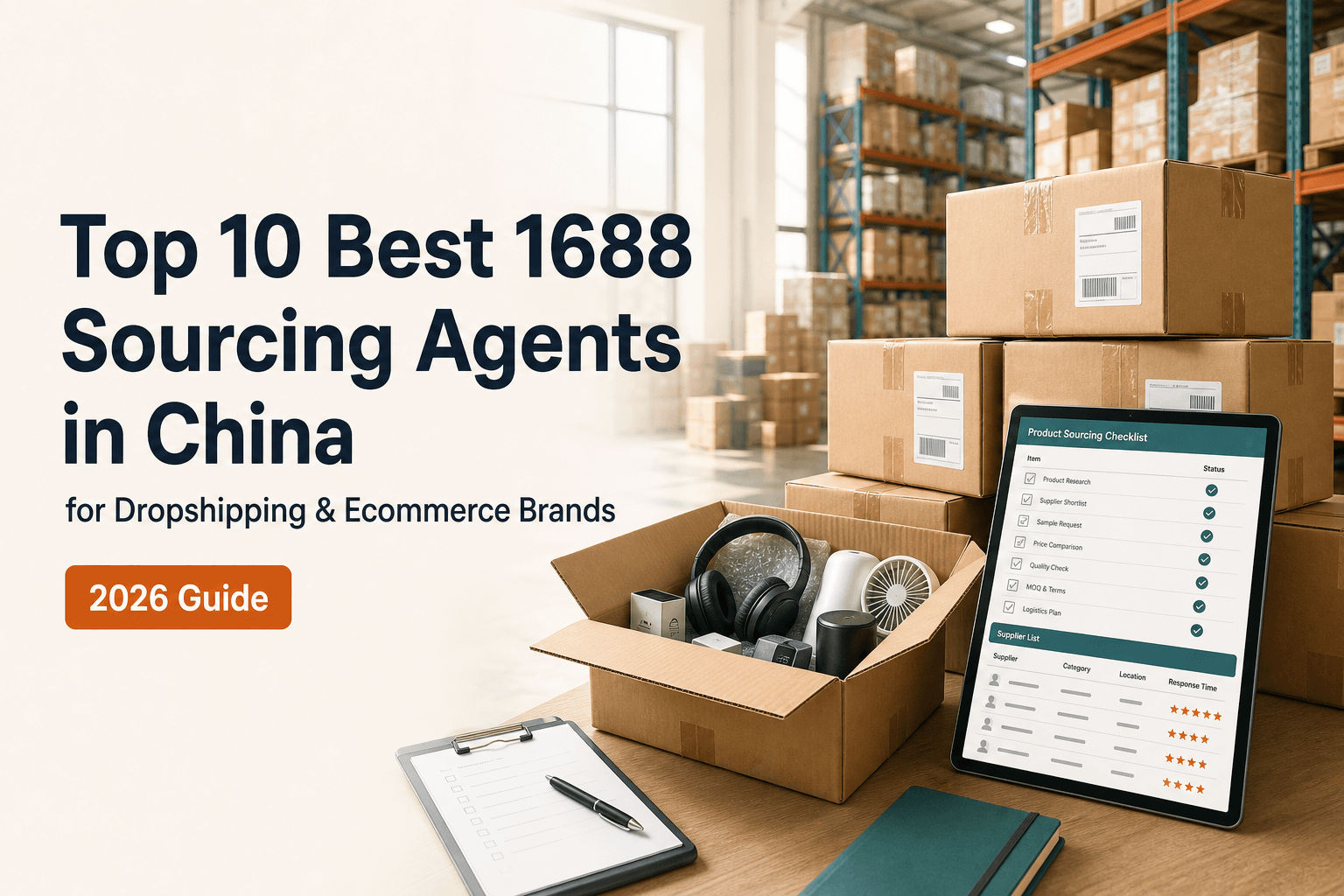
Alibaba /1688+ Sourcing Agent: Suitable After Product Validation
Once a product has been validated and receives stable daily orders, sellers should not stay in the basic dropshipping stage forever.
At that point, Alibaba,1688, or a sourcing agent can help sellers find more direct factories, negotiate prices, create samples, customize packaging, add logos, produce labels, and arrange small-batch inventory.
This model is more suitable for sellers who already have stable demand. Factories usually require MOQs, and sellers need to handle sampling, quality inspection, negotiation, and logistics.
The best path is usually: test products with dropshipping platforms, optimize fulfillment with a supply chain service provider, and then move stable SKUs into small-batch inventory and branded customization.
10. Products New Sellers Should Avoid
In 2026, new sellers should not focus only on profit margin. They also need to consider compliance, logistics, after-sales risk, and product liability.
Products with batteries are not ideal for beginners because they involve more shipping restrictions and after-sales issues.
Children’s toys should be avoided unless the supplier can provide complete safety certifications.
Skincare products, weight loss products, health supplements, and products with strong medical or functional claims can also create compliance and advertising risks.
Food-contact kitchen products, oversized home products, fragile glass items, heavy products, counterfeit products, replica products, celebrity designs, and copyrighted IP designs are also risky.
These products may look profitable in the short term, but they can create disputes, product removals, customs problems, ad account issues, and legal risks.
For beginners, better products are lightweight, low-risk, difficult to damage, easy to demonstrate, easy to bundle, and suitable for branded packaging.
11. How Sellers Should Move Away from the Low-Cost Model
Move from “Finding Cheap Products” to “Calculating Full Profit”
Sellers should stop asking only,“How much is this product?”
They need to calculate the full cost, including sourcing cost, international shipping, last-mile delivery, packaging, platform fees, advertising cost, payment processing fees, refund rate, lost parcel rate, and customer service cost.
A product with high gross margin but slow delivery, poor quality, and high refund rates is not a truly profitable product.
Move from Single Products to Bundles
Low-cost single products are easy to compare and hard to scale with ads.
Sellers can create bundles such as pet grooming kits, travel organization kits, fitness starter kits, beauty tool gift sets, and home cleaning kits.
Bundles increase average order value and make direct price comparison more difficult.
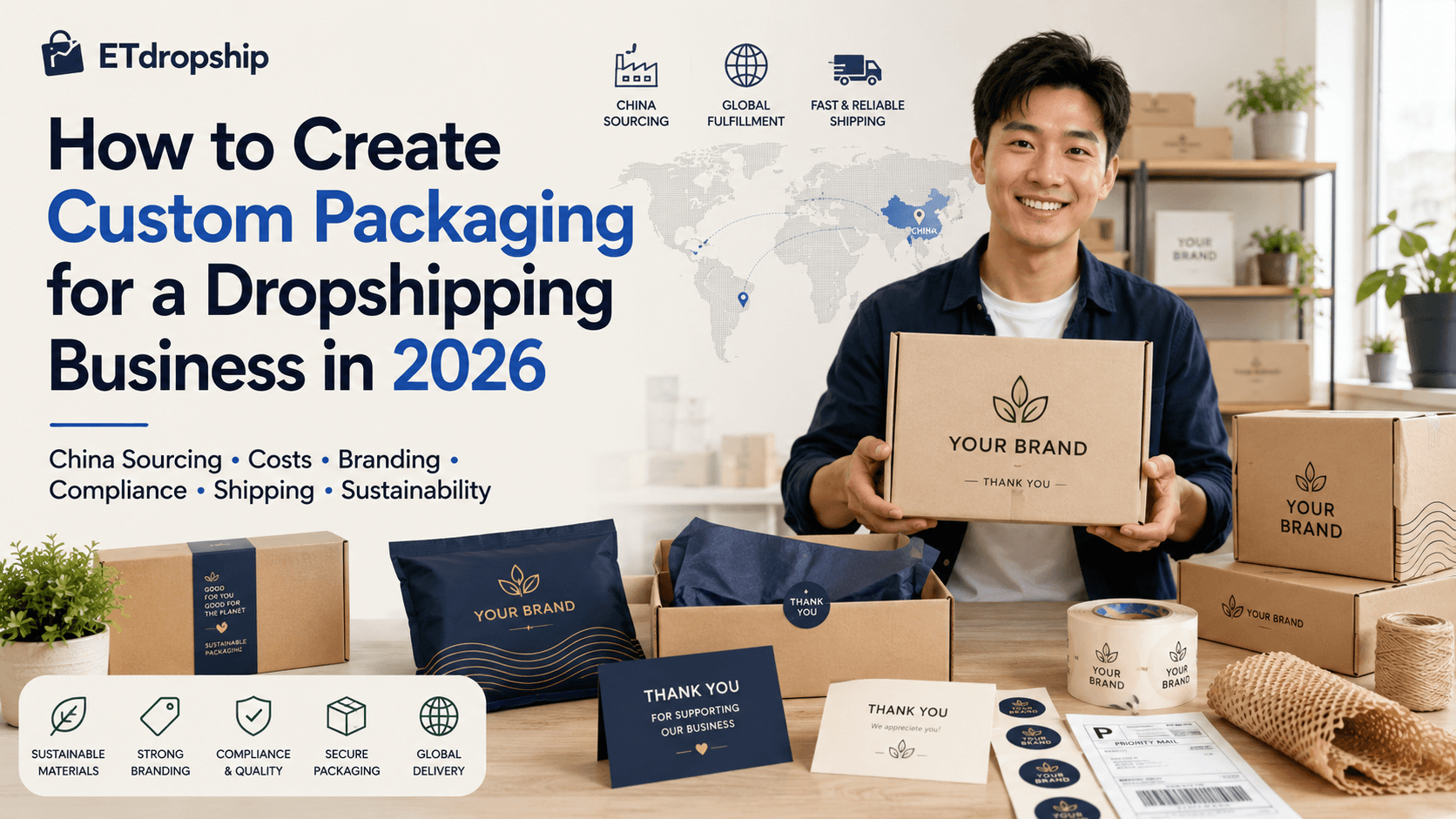
Move from Generic Packaging to Branded Packaging
Packaging is one of the most overlooked opportunities in dropshipping.
A simple product can feel more professional with a logo, hang tag, instruction card, thank-you card, custom box, or eco-friendly packaging bag.
For Shopify sellers, packaging affects not only the unboxing experience, but also reviews, repeat purchases, and social sharing.
Move from the Cheapest Supplier to a Stable Supply Chain Partner
The cheapest supplier is not always the best long-term partner.
A good supplier should provide stable shipping, quality inspection, customization support, inventory coordination, tracking updates, and fast problem-solving when something goes wrong.
When a store grows from 20 orders a day to 100,300, or 500 orders a day, supply chain problems become much bigger. Product quality, inventory accuracy, delivery time, tracking updates, and customer complaints directly affect store performance and ad efficiency.
Move from Selling Cheap to Selling Value
Consumers can accept higher prices if they understand the reason behind the price.
Product pages should not rely only on “50% OFF” or “Limited Time Deal.” Sellers should explain what problem the product solves, what scenario it is designed for, why the bundle is useful, why the packaging is better, why delivery is more reliable, and why the after-sales experience is safer.
In 2026, independent store sellers need to turn products from “cheap goods” into clear solutions with real value.
12. Do Low-Cost Products Still Have Opportunities in 2026?
Yes, but the strategy must change.
Low-cost products can still work as entry products, testing products, or part of a bundle. But if a store relies entirely on cheap single products, it can easily fall into a negative cycle.
The selling price is low, so profit is thin.
Profit is thin, so the seller uses cheap shipping.
Cheap shipping creates delays and complaints.
Complaints increase refunds and negative reviews.
Negative reviews reduce conversion rates.
Lower conversion rates force the seller to discount even more.
The future opportunity is not in finding the cheapest product. It is in creating differentiation.
A pet brush is not rare, but a pet grooming kit has potential.
A storage bag is not rare, but a travel organization system has potential.
A generic bag is not rare, but a customized branded bag has potential.
A pair of sports socks is not rare, but branded sports socks with packaging, positioning, and a clear audience can still sell.
The end of the low-cost product era is really the end of rough, low-quality dropshipping.
Conclusion: The Future of Dropshipping Is Branding, Fulfillment, and Supply Chain
The dropshipping market in 2026 is not dead. It is simply becoming more professional.
In the past, sellers could make money through information gaps, cheap products, and strong ad creatives. Today, sellers need to take supply chain, logistics, packaging, compliance, customer service, and customer experience seriously.
Low-cost products without branding, stable fulfillment, and clear value will become harder to sell profitably.
The best products for 2026 are not simply the cheapest products. They are lightweight, useful, easy to bundle, suitable for branding, able to support higher average order value, and capable of creating repeat purchase opportunities.
Pet grooming products, travel organization products, home cleaning tools, beauty accessories, fitness accessories, custom bags, and POD products are all categories worth exploring.
Supplier choice should also depend on the seller’s stage. Beginners can use CJdropshipping, Spocket, Syncee, or Zendrop to test products. Once a product starts generating stable orders, sellers can work with ETdropship, HyperSKU, or a sourcing agent to improve quality inspection, branded packaging, small-batch inventory, and fulfillment stability. For design-based products, Printful, Printify, and Gelato can be used to test POD opportunities.
The low-cost dropshipping era is coming to an end, but the professional dropshipping era is just beginning.
The sellers who survive will not be the ones who only find the cheapest products. They will be the ones who turn ordinary products into branded offers, deliver orders reliably, and create a better customer experience.
FAQ:
1. Is low-cost dropshipping still profitable in 2026?
Low-cost dropshipping can still be profitable, but it is much harder than before. Sellers can no longer rely only on cheap sourcing and basic cross-border shipping. To make low-cost products work in 2026, sellers need better product positioning, reliable fulfillment, quality control, branded packaging, and a clear profit calculation that includes ads, refunds, shipping, taxes, and customer service.
2. Why is the old low-cost dropshipping model becoming harder?
The old model is becoming harder because advertising costs are higher, consumers expect faster delivery, low-value parcel rules are becoming stricter, and many products are easy to compare across platforms. If a seller only sells generic cheap products without branding or better service, customers can easily find similar products elsewhere.
3. What types of products are better for dropshipping in 2026?
Better product directions include pet grooming kits, travel organization products, home cleaning tools, beauty accessories, fitness accessories, custom bags, and POD products. These products are usually lightweight, easy to demonstrate through content, suitable for bundling, and easier to brand than generic low-cost gadgets.
4. Should beginners still use dropshipping platforms?
Yes. Beginners can still use platforms like CJdropshipping, Spocket, Syncee, and Zendrop to test products. These platforms are useful for early-stage validation. However, once a product starts selling consistently, sellers should consider improving supply chain control, packaging, quality inspection, and logistics through services like ETdropship, HyperSKU, or sourcing agents.
5. Why is branded packaging important for dropshipping?
Branded packaging helps ordinary products look more professional and trustworthy. It improves the unboxing experience, increases perceived value, supports higher pricing, and can improve customer retention. For Shopify sellers, packaging can also help build a real brand instead of just selling generic products.
6. What products should new dropshipping sellers avoid?
New sellers should be careful with products that involve batteries, children’s safety, skincare claims, health claims, food contact, fragile materials, oversized shipping, or copyright risk. These products may have higher compliance, logistics, and after-sales risks. Beginners should focus on lightweight, low-risk, easy-to-ship products that can be bundled or branded.
7. When should a seller move from dropshipping to small-batch inventory?
A seller should consider small-batch inventory after a product has been validated and receives stable daily orders. At that stage, small-batch inventory can help reduce cost, improve delivery time, support branded packaging, and create a more stable customer experience. It is not recommended to order large quantities before testing demand.
8. Is POD a good alternative to traditional dropshipping?
POD is a good option for sellers with design ideas, niche audiences, or content-driven brands. It reduces inventory risk because products are made only after customers place orders. However, POD unit costs are usually higher, so sellers need strong designs, good branding, and clear audience positioning to maintain profit margins.
9. How can sellers increase average order value in dropshipping?
Sellers can increase average order value by creating bundles, offering product kits, adding branded packaging, using upsells, and positioning products around a complete solution. For example, instead of selling one pet brush, a seller can sell a complete pet grooming kit. Instead of selling one travel bag, a seller can sell a travel packing system.
10. What is the biggest opportunity in dropshipping in 2026?
The biggest opportunity is moving from cheap product selling to branded product fulfillment. Sellers who can combine good product selection, stable supply chain support, branded packaging, faster shipping, and better customer service will have a stronger chance of building a sustainable dropshipping business.