Dropshipping Training in 2026: How to Turn a Simple Online Store into a High-Profit, Scalable Online Business
In 2026, many people still understand dropshipping as a very simple business model: build an online store, find a supplier, upload products, and let the supplier ship orders directly to customers after they purchase. The seller earns the price difference. This understanding is not wrong, but it only explains the surface of dropshipping. It does not explain why some sellers can turn an ordinary online store into a stable, growing brand business, while others end up with rising ad costs, refund pressure, and supply chain problems after only a few months.
The dropshipping industry has already entered a more mature stage. According to Grand View Research, the global dropshipping market was valued at about $365.67 billion in 2024 and is expected to reach around $1.25 trillion by 2030, with a compound annual growth rate of about 22% from 2025 to 2030. This shows that the market is still growing, but growth does not mean every seller can make money easily. The opportunity is bigger, but the competition has also become more professional.
For sellers in 2026, truly valuable dropshipping training should not only teach how to register a Shopify store, upload products, or run ads. What matters more is building a complete set of business skills: how to choose products suitable for long-term operation, how to calculate real profit, how to build a stable supply chain, how to reduce refunds and shipping problems, how to increase average order value through branded packaging, and how to turn one-time orders into long-term customer value.
If a simple online store wants to become a high-profit, scalable online business, it cannot rely on luck. It needs a system that can be tested, improved, and repeated.
1. The Core of Dropshipping Training Is Not Store Setup, but Business Judgment
When many beginners start learning dropshipping, the first question they care about is usually, “What product is easiest to sell?” This question is understandable, but if all decisions are based only on trending products, sellers can easily fall into short-term competition.
The dropshipping market in 2026 is no longer like the early days, when sellers could make money mainly through information gaps. Consumers can quickly compare prices, reviews, shipping times, and brand credibility for similar products. Platform algorithms also spread trending products quickly, attracting many sellers into the same niche at the same time. A product that looks hot today may become a low-price competition battlefield two weeks later.
That is why the first step in dropshipping training is not blindly searching for viral products, but building business judgment. Sellers need to learn how to evaluate whether there is stable demand behind a product, why customers would buy it, whether shipping is easy to control, whether after-sales disputes are likely to be low, whether the product can be bundled, and whether branded packaging can create a stronger customer experience.
For example, in the pet category, “pet toys” is too broad and highly competitive. But if a seller narrows the direction to “portable water bottles for small dogs,” “interactive indoor toys for cats,” or “cleaning tools for long-haired pet households,” the product page, ad creatives, and target customer profile become much clearer. Customers are no longer seeing a random product. They are seeing a solution for a specific situation.
A mature dropshipping seller does not sell whatever is trending. A mature seller first judges whether the product can produce stable profit.
2. Calculate Real Profit Before Deciding Whether to List a Product
Many dropshipping businesses fail not because they have no orders, but because they have orders without real profit. The most common mistake beginners make is using “selling price minus product cost” to judge profitability.
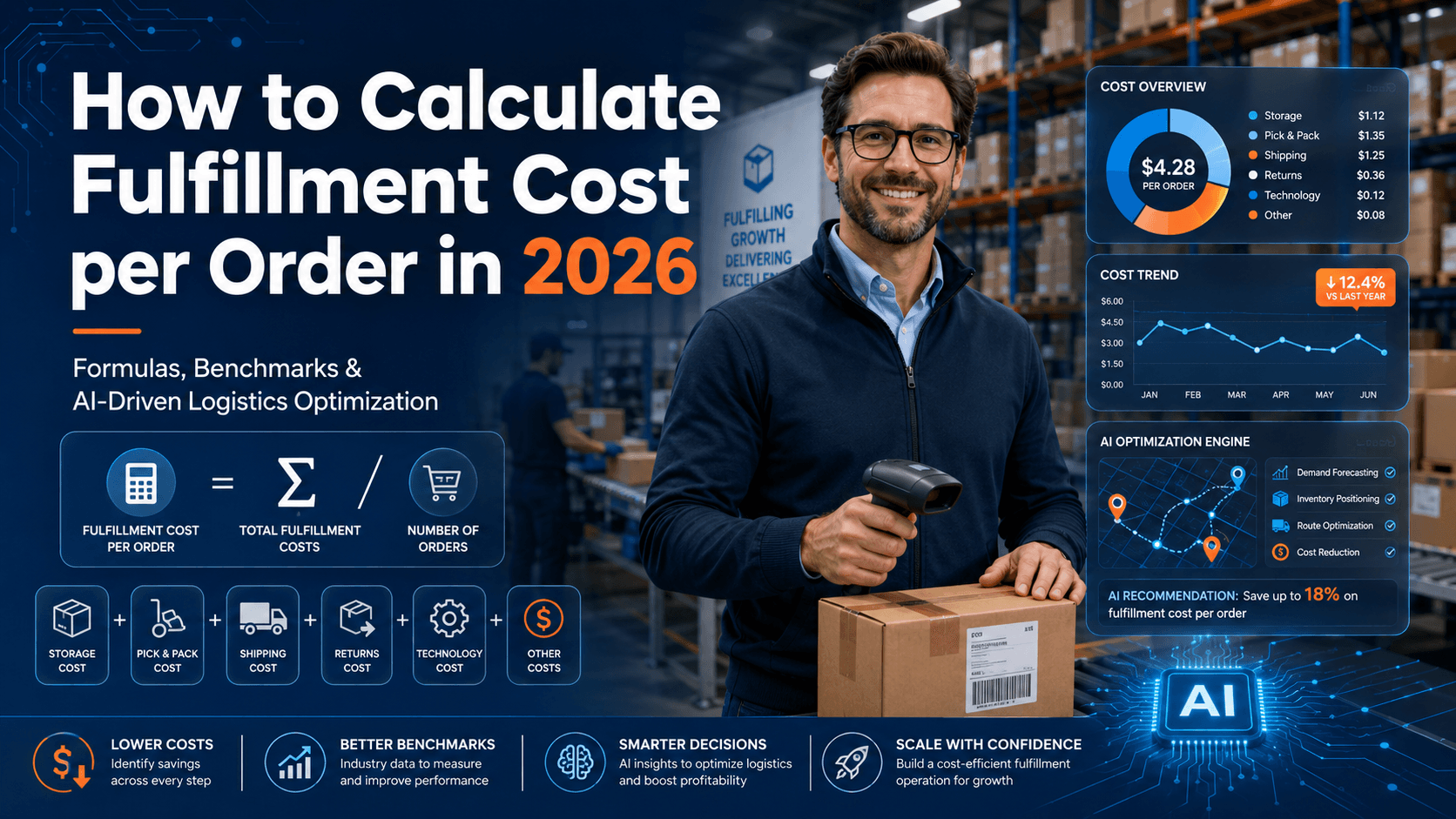
Real dropshipping profit is much more complicated. The final profit of a product must account for product sourcing cost, international shipping cost, platform transaction fees, payment processing fees, advertising acquisition cost, discount cost, refund cost, reshipment cost, and customer service cost. If the seller also uses custom packaging, the cost of packaging, labeling, thank-you cards, and manual handling must also be included.
Assume a home storage product sells for $39.99. The sourcing cost is $8, the shipping cost is $7, and the advertising acquisition cost is $12. On the surface, the seller still seems to have more than ten dollars of margin. But after payment fees, discount codes, after-sales reshipments, and possible refunds are deducted, the actual net profit may only be $5 to $8. If the return rate is slightly higher, the profit can disappear quickly.
This is why dropshipping training must place the profit sheet at the beginning. Sellers cannot only ask the supplier, “How much does this product cost?” They also need to ask themselves: Is the product weight and size suitable for cross-border shipping? Is it easy to break? Are customers likely to misunderstand the size or function? Does it require complicated installation? Are there many color, size, or version differences? All these questions affect final profit.
A dropshipping product that is suitable for long-term operation in 2026 usually has several characteristics: controllable shipping cost, strong visual demonstration potential, clear usage scenarios, fewer return disputes, room to increase average order value, and the ability to be sold as a bundle or with branded packaging.
3. Store Training: Do Not Build a General Store; Build a Trustworthy Buying Scenario
Many beginners like to upload dozens or even hundreds of products when they first open a store. They believe that more products mean more sales opportunities. In reality, the opposite is often true. When the product selection is too random, the image style is inconsistent, the descriptions look copied from suppliers, and the page has no brand feeling, customers are less likely to trust the store.
Consumers in 2026 are already very familiar with online shopping. They pay attention to whether product images look real, whether shipping times are clear, whether return policies are transparent, whether reviews are credible, and whether checkout is smooth. Baymard Institute has tracked ecommerce checkout behavior for a long time, and its data shows that the average cart abandonment rate is about 70%. This means many customers are not uninterested. They are lost somewhere between adding to cart and completing checkout.
Therefore, store training should not only teach sellers how to decorate a page. It should teach sellers how to build trust. What a simple online store truly needs is not more products, but stronger core product pages.
For example, a no-drill bathroom storage rack should not only describe material, size, and color. A better product page should show how it helps reduce clutter in a small bathroom, how it suits renters, how it avoids wall damage, and how it makes the washing area look cleaner. A product page should answer the questions in the customer’s mind: Is this suitable for me? Is the quality reliable? How long will shipping take? What happens if I am not satisfied? Is installation difficult?
When the page can answer these questions, customers are more likely to move from browsing to buying.
4. Product Research Training: Move from Trending Products to High-Profit Niche Markets
In 2026, product research for dropshipping cannot only focus on bestseller lists. Trending products bring traffic, but they also bring heavy competition. The directions that are often more suitable for beginners and growing sellers are usually lower-profile niches with stable demand.
For example, in the health and personal care category, a general “massager” is highly competitive. But “neck and shoulder relaxation tools for office workers,” “home light-care products,” and “portable care devices for travel” are more specific. In the home category, a broad “kitchen product” is competitive, but “small kitchen storage,” “renter-friendly organization tools,” and “bathroom space optimization accessories” offer clearer selling points. In the pet category, general “pet toys” are crowded, while “interactive toys for people who live alone with cats,” “outdoor accessories for small dogs,” and “pet cleaning and grooming kits” create stronger purchase reasons.
The key to product research training is not memorizing a list of product names. It is training sellers to judge demand. Whether a product is worth testing depends on whether customers have a clear pain point, whether that pain point happens often, whether customers are willing to pay for a solution, whether the product can be easily demonstrated through short videos or images, and whether there is room for upsells and repeat purchases.
The most profitable dropshipping products are often not the hottest products. They are the products that are most suitable for a specific type of customer to keep buying or keep trusting.
5. Supply Chain Training: If the Backend Is Unstable, Frontend Advertising Becomes Risky
Many sellers spend most of their energy on advertising while ignoring the supply chain. In reality, the most common problems in dropshipping often happen not at the frontend, but at the backend.
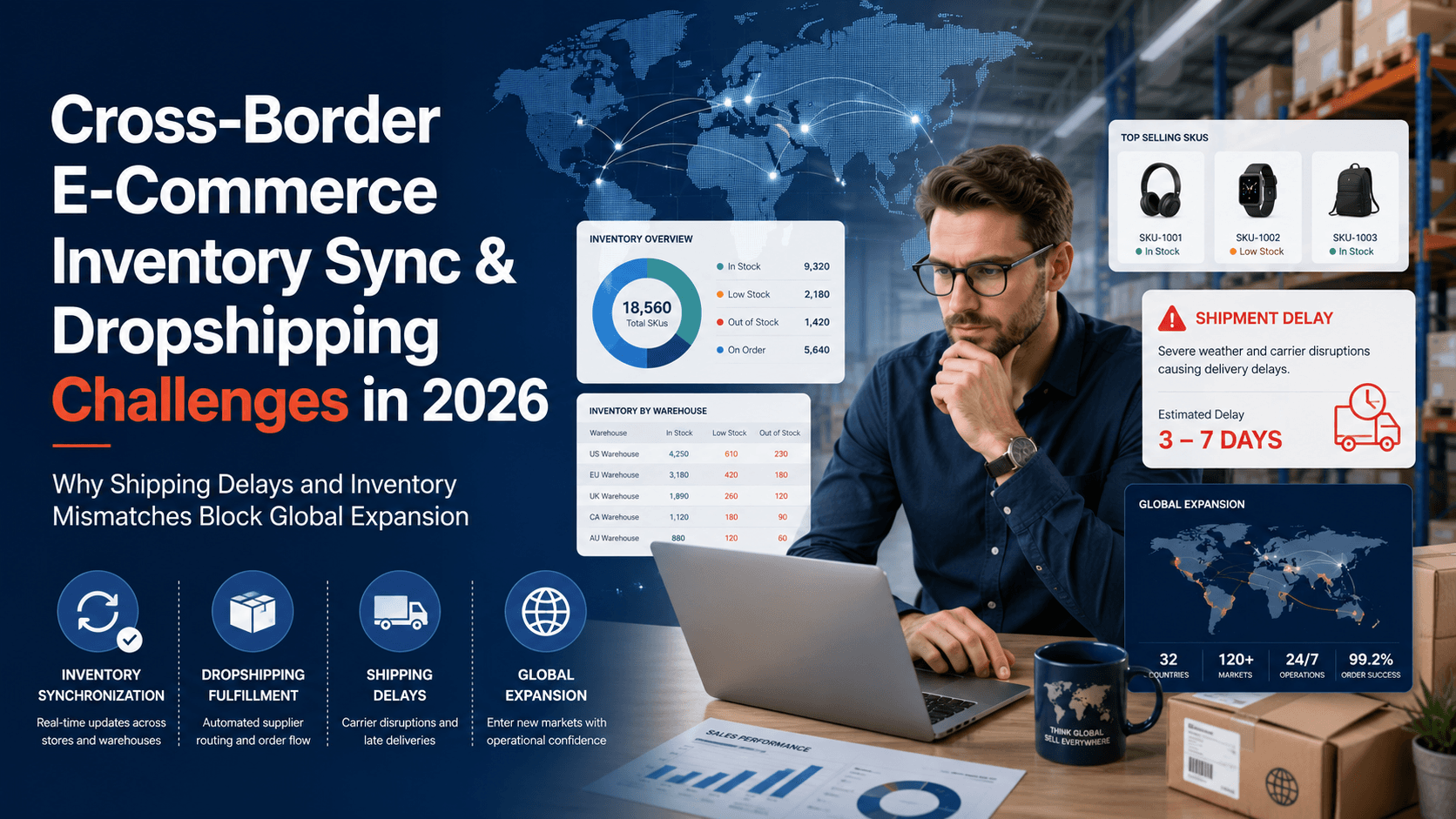
Products may suddenly go out of stock. Suppliers may ship the wrong color. Tracking information may stop updating. Customers may wait too long and request refunds. Packages may arrive damaged. Size differences may cause complaints. Processing speed may slow down during peak seasons. All these issues directly affect profit. When a store has only a few orders per day, the seller can solve problems manually. But when daily orders grow to dozens or even hundreds, these issues become system-level risks.
That is why dropshipping training in 2026 must include supply chain training. Sellers need to learn how to test suppliers instead of only comparing prices. Whether a supplier is suitable for long-term cooperation depends on sample quality, inventory stability, order processing speed, shipping channels, packaging methods, after-sales response, and the ability to handle abnormal orders.
This is where branded dropshipping fulfillment service providers like ETdropship can create real value. For sellers, the frontend should focus on sales, advertising, content, and customer growth, while the backend needs a more stable sourcing and fulfillment system. ETdropship helps sellers with product sourcing, factory cost support, pre-shipment quality inspection, custom packaging, order fulfillment, and global shipping, reducing the time sellers spend communicating with multiple suppliers.
A supply chain advantage is not only about getting a lower product price. It is about making product quality, inventory, packaging, shipping speed, and after-sales handling more controllable.
6.Brand Training: Move from Selling the Same Product to Selling Your Own Version
As competition in dropshipping becomes more intense, the problem of selling the same product becomes more obvious. Customers see similar images, similar descriptions, and similar prices across different stores. They can easily compare. If the seller has no brand difference, the only way left to compete is lowering the price.
Branding does not necessarily mean developing a private mold product from the beginning. It also does not mean holding a large amount of inventory. For most growing sellers, branding can start with lighter actions: unifying the image style, improving packaging experience, adding thank-you cards, customizing labels, designing bundle sets, and building content around a specific customer group.
Shopify’s definition of branded dropshipping also mentions that branded dropshipping often includes brand elements such as custom packaging, labels, postcards, or inserts. This direction is especially suitable for sellers who already have stable orders, because it can improve customer memory of the store without greatly increasing inventory risk.
For example, with the same pet cleaning brush, a normal seller may only sell the single item. A branded seller can turn it into an “indoor pet cleaning care kit,” including the main product, replacement accessories, a storage bag, and a branded instruction card. The product itself may not change dramatically, but the customer experiences a more complete solution. This can increase average order value and repeat purchase opportunities.
The core of brand training is helping sellers understand that high profit does not come from simply raising prices. It comes from making customers feel that your product is more trustworthy, more complete, and more suitable for their needs.
7. Real Case Study: How Gymshark Moved from Early Dropshipping Testing to Its Own Brand
Gymshark’s early story still offers useful lessons for dropshipping sellers today. According to Gymshark’s official brand story, the founding team did not start with a mature supply chain and large inventory. They first sold fitness supplements and later used dropshipping to sell clothing. During that process, they found that the clothing quality was not ideal, so they eventually shifted toward designing and producing products that better matched the needs of fitness customers.
The importance of this case is not that every seller should copy Gymshark. The key lesson is that dropshipping can be a starting point for market testing, but it should not remain forever at the stage of low-price reselling.
Sellers can first use dropshipping to test products, markets, and advertising feedback. When a product category continues to generate orders, customer feedback is stable, return rates are controllable, and the target audience is clear, the seller can gradually enter the branding stage. This stage can begin with packaging, labels, product bundles, and quality inspection, before deciding whether to develop customized products based on order volume.
This is the key to turning a simple online store into a scalable business: do not invest heavily in inventory at the very beginning, but use low-risk testing to find product lines worth long-term investment.
8. Advertising Training: Do Not Only Learn Ad Buttons; Learn Data Judgment
Many beginners think advertising is the whole dropshipping business. They repeatedly study budget, interests, creatives, placements, and bidding, but ignore a more important question: advertising is only an amplifier. It cannot save a product with no profit structure, no trustworthy page, and no stable fulfillment.
Advertising training in 2026 should shift from “how to run ads” to “how to judge data.” Sellers need to understand click-through rate, add-to-cart rate, checkout rate, conversion rate, average order value, advertising acquisition cost, and refund rate. Behind each metric, there is a business problem.
If the click-through rate is low, the beginning of the creative may not be strong enough, or the product scenario may not be specific enough. If the add-to-cart rate is low, the product page may not clearly communicate value. If the checkout rate is low, shipping cost, delivery time, or return policy may be making customers hesitate. If there are orders but profit is low, the average order value may be too low, ad costs may be too high, or the store may not have a bundle strategy.
Sellers should not only ask, “Can this ad go viral?” They should ask, “Does this product still have profit under the current customer acquisition cost?” If the profit is too thin, even an ad that brings orders may not create a healthy business.
Mature advertising training teaches sellers to use small budgets to validate product signals, then decide whether to scale. It is not about betting a large budget on a product from the beginning.
9. Automation Training: Scaling Is Not More Orders; It Is Lighter Processes
One of the biggest bottlenecks for a simple online store is that everything is handled manually. After customers place orders, the seller manually exports order details, manually sends them to suppliers, manually updates tracking numbers, and manually handles abnormal orders. When order volume is low, this process may still work. But when orders increase, the error rate and communication cost rise quickly.
Real scaling does not mean only getting more orders every day. It means that when more orders come in, the team’s workload does not increase at the same speed.
In 2026, ecommerce platforms and tools are entering a deeper stage of automation. Reuters reported in 2026 that Shopify management said orders from AI search queries had increased 15 times since January 2025. This shows that future online selling will not only depend on sellers actively running ads. AI search, automated recommendations, and intelligent operation tools will also change how customers discover products.
For dropshipping sellers, automation training should at least include order syncing, inventory monitoring, tracking updates, abnormal order alerts, customer notifications, and after-sales handling. When frontend traffic becomes more automated, backend fulfillment must keep up. Otherwise, the better a seller becomes at generating traffic, the more chaotic the backend may become.
ETdropship’s automated fulfillment system is suitable for sellers who want to move from manual order processing to systematic operations. Sellers can spend more time on product research, advertising, content, and customer relationships, instead of repeating order handling and tracking tasks every day.
10. Repeat Purchase Training: A High-Profit Business Cannot Always Depend on New Customers
A common problem with many dropshipping stores is that every order depends on new advertising traffic. Once ad costs rise, profit gets squeezed. Once creatives become tired, orders decline. This kind of business is hard to stabilize.
A high-profit, scalable online business must train repeat purchase ability from the beginning. Not every product is naturally suitable for repeat purchases, but many products can increase customer value through bundles, accessories, refills, gift sets, and email marketing.
For example, pet products can include replacement accessories and recurring supply items. Beauty care tools can be paired with consumables and storage accessories. Home storage products can be sold as series-based bundles. Fitness accessories can be designed around different workout scenarios. Sellers should not only think about how much they earn from the first order. They should also think about whether the same customer can buy again in the next three or six months.
Repeat purchase training also includes customer experience design. First-time customers need clear shipping notifications and usage instructions. Customers who have received the product can be sent care tips, matching recommendations, and second-purchase offers. Satisfied customers can be guided to leave reviews, share photos, or recommend the store to friends.
When a store starts to generate repeat purchases, it is no longer only buying orders through ads. It is gradually building customer assets.
11. A 90-Day Dropshipping Training Path for Beginners
If a beginner wants to seriously enter the dropshipping industry in 2026, the first 90 days can be divided into three stages.
In the first 30 days, the focus is not making money, but building judgment. The seller needs to define a target market, study three to five niche categories, screen 20 to 30 potential products, and use a real profit sheet to eliminate products that look popular but have weak actual margins. At the same time, the seller should build a simple but trustworthy online store, complete payment settings, shipping policies, return policies, and core product pages.
In the second 30 days, the focus is testing. The seller should select three to five main products for sample testing and confirm quality, packaging, logistics, and supplier response. At the same time, the seller should create ad creatives from different angles and test product selling points, price ranges, and customer feedback. This stage should not rush into large-scale advertising. The goal is to use a small budget to find strong product signals.
In the third 30 days, the focus is optimization and scaling. For products with better data performance, the seller should optimize product pages, add bundles, design upsell offers, test custom packaging, and confirm a more stable fulfillment solution with supply chain partners. If orders begin to grow steadily, the seller should establish automated order processing and after-sales workflows as early as possible to avoid backend problems slowing down growth.
After 90 days, the seller may not have become a large seller yet, but they should already know which products are worth continued investment, which markets respond better, which ad creatives work, and which supply chain issues must be solved in advance. This understanding is more valuable than blindly chasing short-term viral sales.
12. Dropshipping Training Ultimately Trains Owner Thinking
Many people fail at dropshipping not because they do not know how to open a store, but because they remain stuck in operator thinking. They spend every day finding products, changing prices, checking ads, chasing logistics updates, and replying to customers, but they do not have time to think about the business structure.
A seller who can truly scale must move from being an operator to becoming a business owner. They need to know which products are worth long-term operation, which customers are worth serving continuously, what kind of supply chain can support growth, what kind of packaging can build trust, what kind of after-sales rules can reduce disputes, and what kind of data shows that the business can be scaled.
Dropshipping training in 2026 should not only train people who know how to open a store. It should train sellers who understand profit, supply chains, branding, data, and customer experience.
A simple online store does not have to be a low-value business. If sellers are willing to train themselves with a systematic approach, it can grow from a test store into a high-profit, scalable online business. The key is not how many orders are generated on the first day, but whether a long-term scalable business system is being built from the first day.
FAQ
Is dropshipping still suitable for beginners in 2026?
Yes, but it is no longer suitable to use the rough methods of the past. Beginners can still use dropshipping to reduce startup costs and test products and markets, but they must pay more attention to profit calculation, supply chain stability, product page trust, and customer experience. If they only copy trending products and compete on low prices, it will be difficult to stay profitable in the long run.
What should dropshipping training teach first?
It should first teach real profit calculation and product judgment. Many sellers fail not because they do not know how to build a store, but because they choose low-margin, high-return, and highly competitive products from the beginning. Only after judging whether a product has real business value should sellers move on to store building and advertising.
How can a simple online store increase profit?
Profit cannot be increased only by raising prices. More effective methods include choosing lighter products, reducing shipping and fulfillment costs, improving product page conversion rates, adding bundle sets, using custom packaging, increasing average order value, and improving repeat purchases through email and after-sales service.
When should sellers consider branded dropshipping?
When a product continues to generate orders, customer feedback is stable, return rates are controllable, and the seller clearly understands the target customer, branded dropshipping becomes worth considering. Branding can start with packaging, labels, thank-you cards, product bundles, and unified visual style. Sellers do not need to create private molds or hold large inventory from the beginning.
What type of seller is ETdropship suitable for?
ETdropship is more suitable for sellers who have already started testing products or are preparing to upgrade from ordinary dropshipping to stable fulfillment and branded operations. If sellers want to spend more time on sales, advertising, and content growth while needing support with product sourcing, quality inspection, custom packaging, order fulfillment, and global shipping, they can consider using this type of one-stop fulfillment service.