7 Eco-Friendly Dropshipping Products to Sell in 2026
Sustainability has moved beyond being a niche marketing angle. For many consumers, the amount of waste a product creates, how long it lasts, what materials it uses, and whether it can replace a disposable alternative are becoming part of the purchasing decision.
That does not mean adding the word “eco-friendly” to an ordinary product automatically creates a winning offer. Sustainable products still need to solve a real problem, have workable margins, ship efficiently, and give customers a clear reason to choose them over conventional alternatives.
For dropshipping sellers, the most interesting opportunities are often products where the environmental benefit is easy to understand. Reusable kitchen products can replace disposable plastic, washable beauty accessories can reduce single-use waste, and durable everyday products can be positioned around longer-term use rather than constant replacement.
The following seven eco-friendly product ideas are worth considering in 2026, but they should be treated as starting points for product research rather than guaranteed winners.
1. Biodegradable and Plant-Based Phone Cases
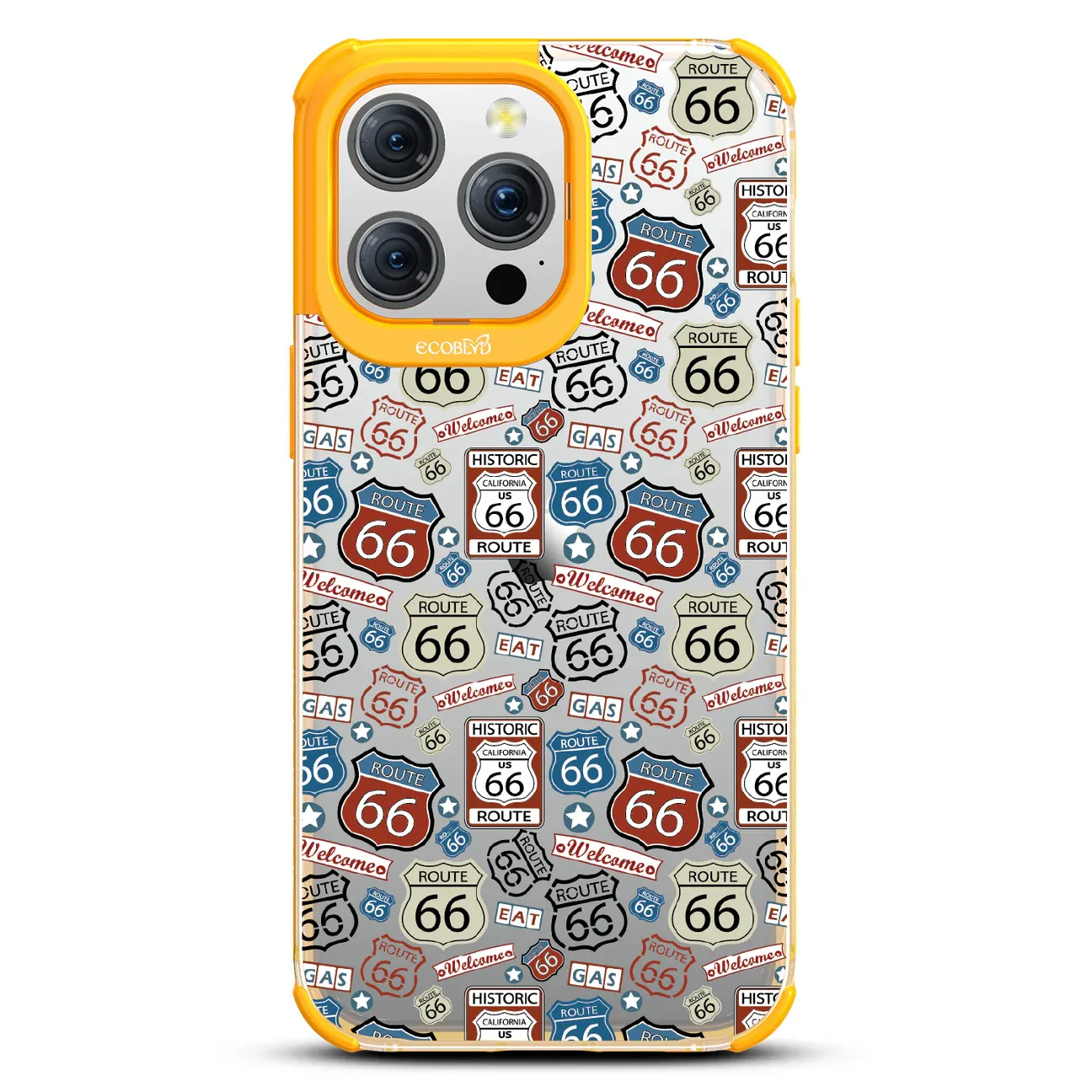
Phone cases are one of the most crowded accessory categories in ecommerce, but material choice creates an opportunity for differentiation.
Traditional phone cases are commonly made from plastic-based materials and are frequently replaced when customers change devices or want a new design. Cases made with plant-based composites, wheat-straw blends, cork, or other lower-plastic materials can give sustainability-focused stores a more specific positioning.
The commercial advantage is not simply that the case is “green.” Phone cases are lightweight, easy to demonstrate visually, available in many styles, and familiar enough that customers immediately understand the product.
The challenge is verifying material claims.
Terms such as biodegradable, compostable, recycled, and plant-based do not mean the same thing. A supplier describing a case as “eco” does not automatically prove how the material behaves after disposal.
Sellers should request actual material specifications and avoid making stronger environmental claims than the supplier documentation can support.
Why They Can Work for Dropshipping
Phone cases are compact and relatively inexpensive to ship. They also provide natural opportunities for design differentiation through color, texture, artwork, packaging, and device-specific collections.
Instead of competing only on price, a store could build a collection around minimalist design, natural textures, outdoor lifestyles, or reduced-plastic accessories.
The product works best when sustainability supports an already attractive product rather than becoming the only reason to buy it.
2. Reusable Makeup Remover Pads
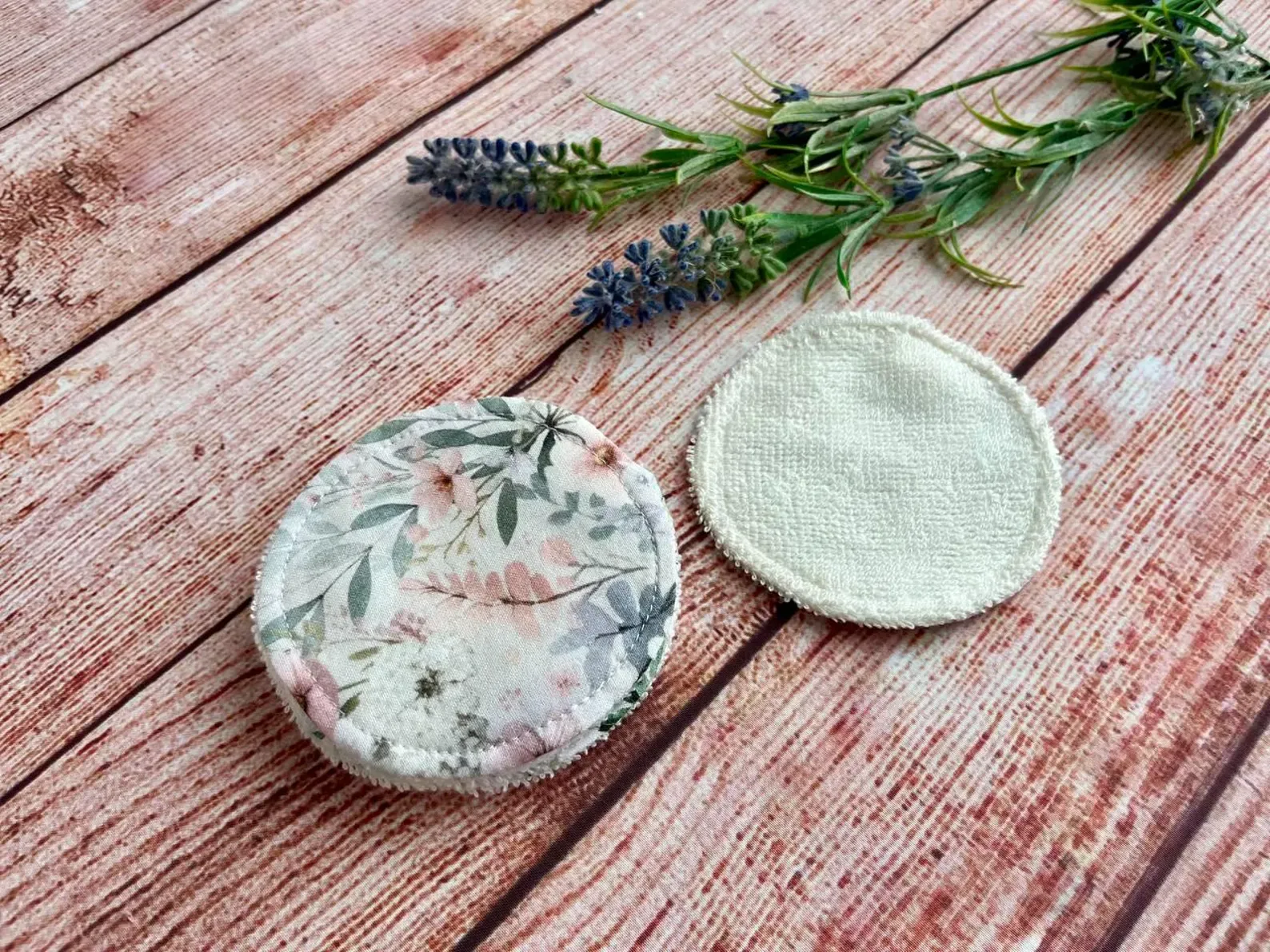
Disposable cotton rounds solve a very small daily problem, but they are repeatedly purchased and thrown away. Reusable makeup remover pads offer a straightforward alternative: wash them and use them again.
That simplicity makes the product easy to explain.
Materials can include bamboo-derived fabrics, cotton blends, microfiber, or other washable textiles. Sellers should pay attention to softness, stitching quality, absorbency, durability after washing, and whether the product maintains its shape after repeated use.
The strongest offer may not be a single pad. Sets can include multiple pads, a storage pouch, and a mesh laundry bag, giving the product a more complete presentation while increasing average order value.
Why They Fit Beauty Stores
Reusable makeup pads sit naturally inside skincare and beauty routines. This makes them easier to bundle with related accessories and easier to demonstrate through short-form content.
The customer can immediately see how the product fits into an existing habit.
For sellers, the key is avoiding vague claims such as “chemical-free” or “100% sustainable” unless those claims can actually be substantiated. A simple message about reusability and reducing reliance on disposable pads is often clearer and safer.
3. Solar-Powered Outdoor Power Banks
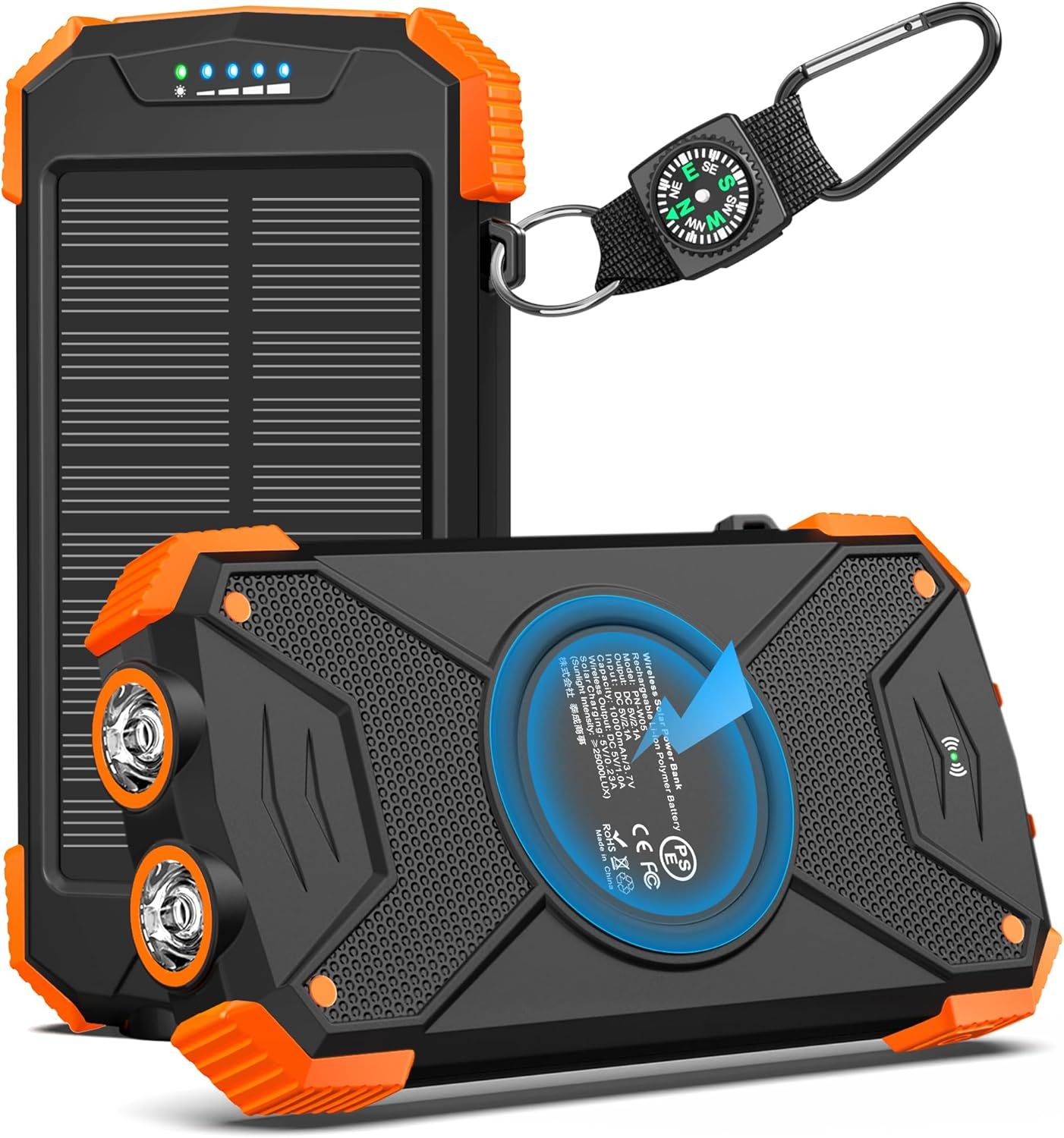
Solar-powered power banks combine two strong consumer interests: portable power and outdoor use.
They are particularly relevant for camping, hiking, road trips, emergency kits, festivals, and other situations where access to a wall outlet may be limited. The solar panel provides an additional charging option, while the battery remains the main functional reason customers buy the product.
This distinction matters because small integrated solar panels may charge much more slowly than consumers expect.
Sellers should avoid presenting every solar power bank as if sunlight alone can rapidly recharge a large battery. Battery capacity, charging input, output performance, solar-panel capability, weather resistance, and safety documentation should all be checked before the product is marketed.
The Main Opportunity Is Utility, Not Just Sustainability
A solar accessory has a stronger offer when customers would still find it useful even without the environmental positioning.
For example, an outdoor customer may value emergency charging first and solar backup second.
This makes the product different from novelty items that depend entirely on an “eco” label.
Electronics also require more sourcing and logistics attention than simple textile or kitchen products, so sellers should confirm battery specifications, shipping compatibility, and destination-market requirements before scaling.
4. Reusable Silicone Food Storage Bags
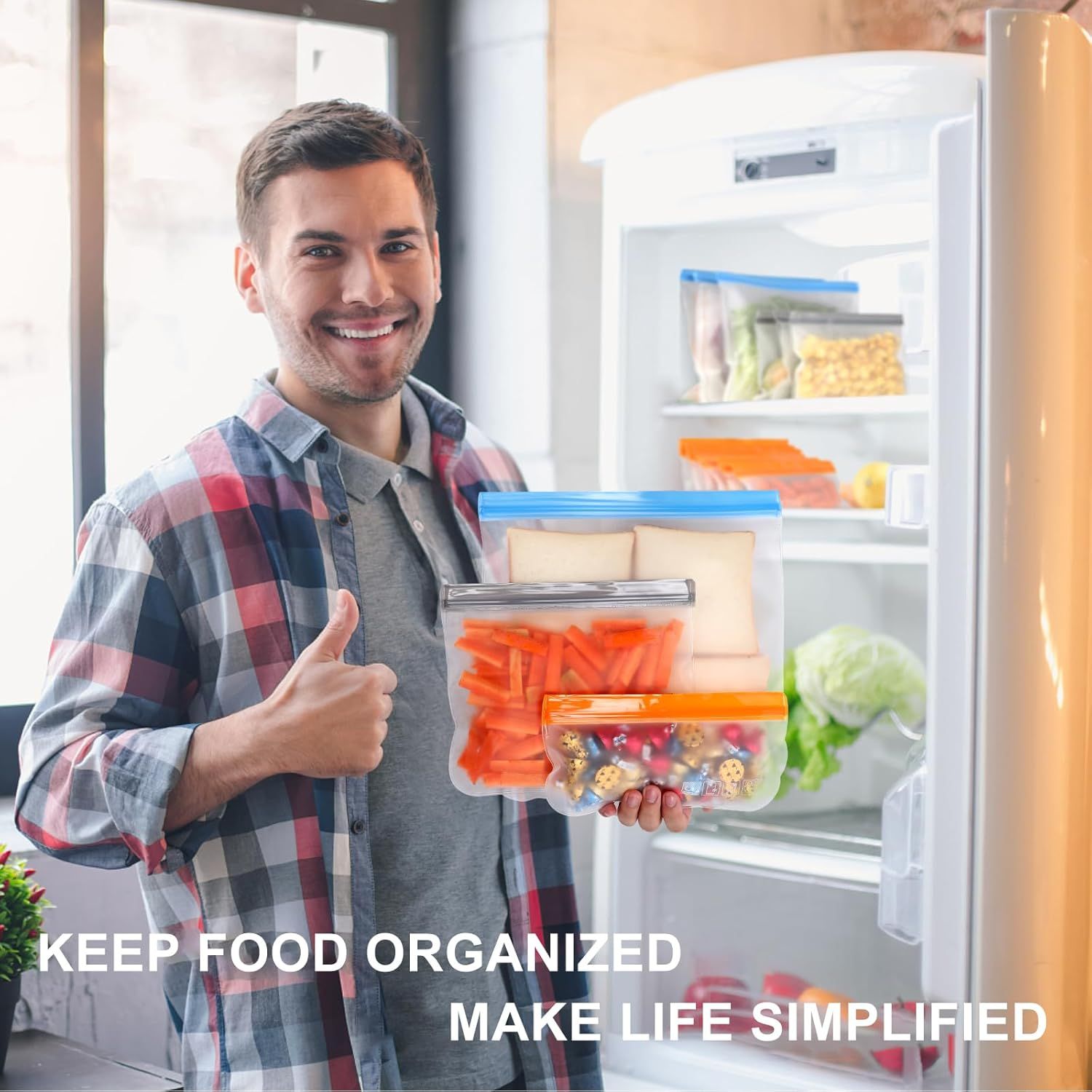
Reusable food-storage bags address an everyday use case that customers already understand.
Instead of repeatedly using disposable plastic bags for snacks, leftovers, meal preparation, or freezer storage, consumers can wash and reuse a durable silicone alternative.
For ecommerce, this category has several advantages. The product is visual, demonstrations are straightforward, and sets can be offered in multiple sizes rather than selling only one bag.
A good product page can show how the bags are filled, sealed, stored, washed, and organized inside a refrigerator or kitchen cabinet.
Product Quality Matters More Than the Eco Label
Poor sealing can cause leaks. Weak materials can tear, while badly designed shapes can be difficult to clean.
Food-contact products also require more care than ordinary accessories. Sellers should verify the material specification and applicable documentation for the markets they intend to serve instead of relying only on supplier listing language such as “food grade.”
This is a good example of why sustainable-product sourcing should begin with the physical product rather than the marketing claim.
5. Bamboo and Replaceable-Head Toothbrushes
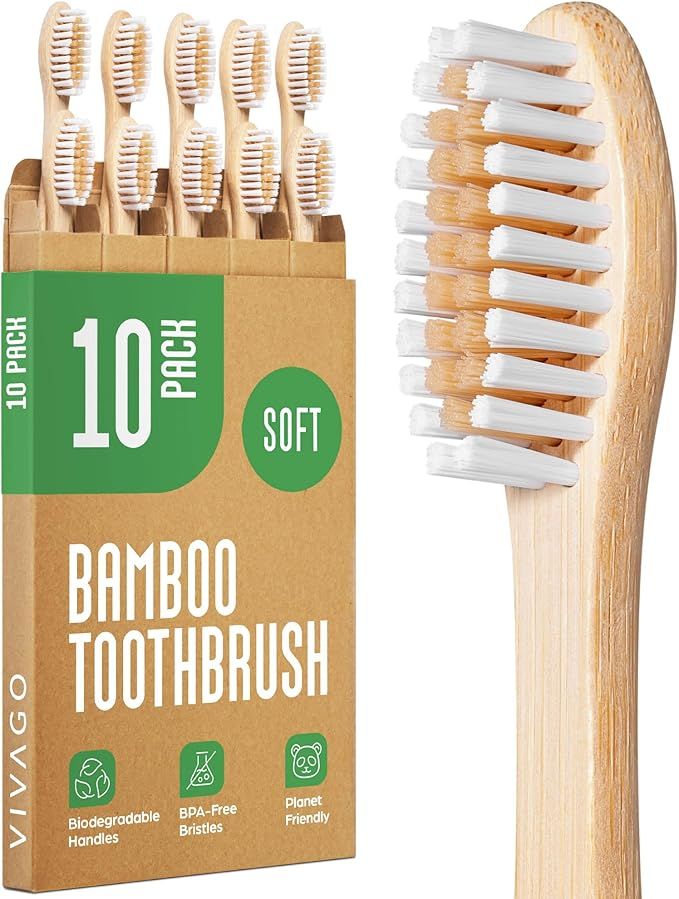
Bamboo toothbrushes have been sold online for years, but the category can still evolve beyond a simple wooden-handle toothbrush.
One direction is the replaceable-head model. Instead of discarding the entire product, customers replace only the part that wears out.
Another is bundling several brushes into household or travel sets. Packaging can also play a larger role because a plastic-heavy presentation can undermine the positioning of a product marketed around waste reduction.
The category is particularly interesting because toothbrushes have a natural replacement cycle. That can create repeat-purchase potential if the store develops a consistent product system rather than selling an isolated generic SKU.
Differentiation Is the Main Challenge
Generic bamboo toothbrushes are easy to find across major marketplaces.
Simply listing another identical version is unlikely to create much competitive advantage.
Sellers should therefore think about bristle options, handle design, travel cases, family sets, replaceable components, packaging, and brand positioning.
The opportunity is not “bamboo” by itself. It is turning an ordinary recurring-use product into a more coherent low-waste offer.
6. Natural Loofah Cleaning Products
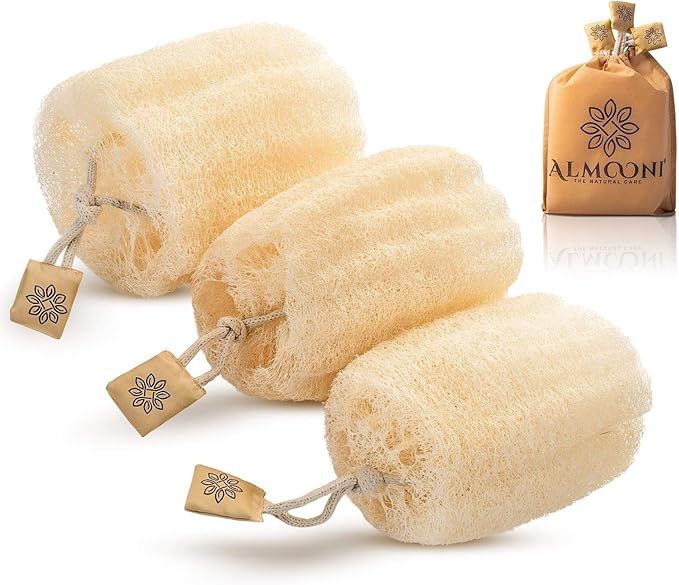
Natural loofah can be used for more than personal-care sponges. It can also be turned into dish-cleaning pads, kitchen scrubbers, body-care products, and other household accessories.
That makes it interesting for stores focused on low-waste home routines.
The value proposition is easy for customers to understand: replace certain synthetic disposable cleaning products with a plant-derived alternative that can be used repeatedly before disposal.
However, the quality of natural materials can vary. Thickness, stitching, shape, drying performance, odor, packaging, and durability should be checked through samples.
Eco-Friendly Cleaning Is a Larger Product Direction
Loofah scrubbers do not need to exist as a one-product business.
They can sit inside a broader collection that includes reusable cloths, bamboo cleaning brushes, refillable bottles, and other low-waste household tools. The overlap between sustainability and everyday cleaning is one reason eco-friendly and reusable cleaning products can support a more coherent store concept than chasing unrelated “green” products from multiple categories.
For dropshipping sellers, non-liquid cleaning accessories are generally simpler to evaluate than chemical formulations because liquids, sprays, disinfectants, and concentrates can introduce additional documentation and shipping requirements.
7. Beeswax Food Wraps
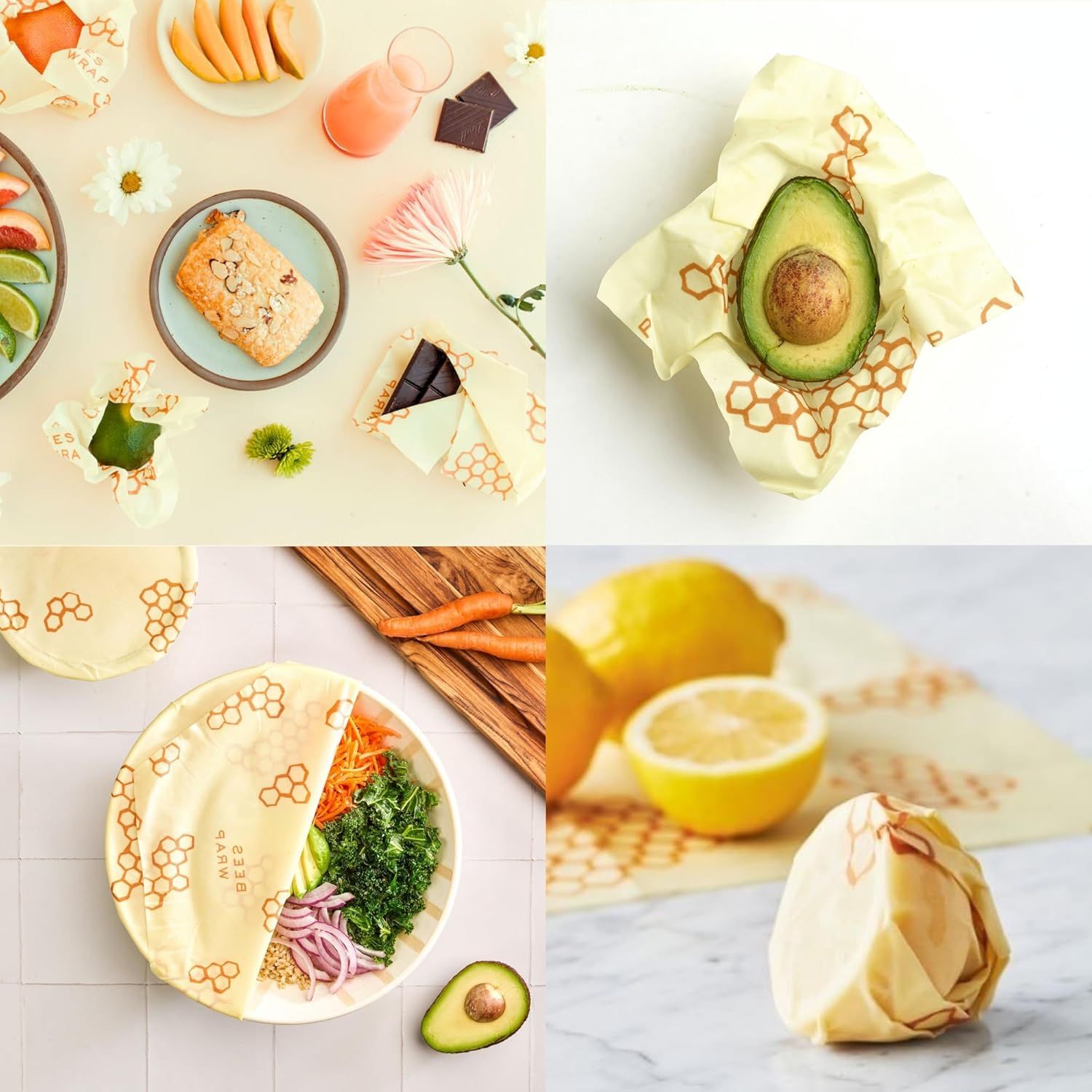
Beeswax wraps are designed to replace some uses of disposable plastic wrap.
They are typically made from fabric coated with beeswax and other ingredients, allowing the material to be shaped around food or containers and reused after cleaning.
From a product-marketing perspective, beeswax wraps are highly visual. Patterned fabrics can make the product attractive in photographs and short videos, while different sizes can be combined into sets.
They also fit naturally with kitchen organization, food storage, reusable bags, and low-waste household content.
Clear Usage Instructions Are Important
Customers need to understand how to clean, store, and maintain the wraps, as well as situations where they may not be suitable.
That makes instructions part of the product experience.
A seller that provides a clear care card or well-designed packaging can create a more professional offer than one that simply sends several unmarked wraps inside a generic bag.
The product therefore has room for differentiation even when the basic concept is widely available.
What Makes an Eco-Friendly Product Worth Testing?
A sustainable product should still pass the same commercial tests as any other ecommerce product.
It needs identifiable demand, enough margin after shipping and advertising, reasonable logistics characteristics, manageable return risk, and enough differentiation to avoid competing only on price.
The environmental benefit should strengthen those fundamentals rather than replace them.
For example, a reusable product is more compelling when it replaces something customers already purchase frequently. A sustainable material is more valuable when the finished product is also attractive and durable. A lower-waste product becomes easier to market when the customer can understand the difference within a few seconds.
This is why product selection should begin with evidence rather than a list of trends. A broader product-research process can be used to compare demand signals across Amazon, eBay, TikTok, Temu, Shopify, and search behavior before committing to a particular eco-friendly SKU.
Do Not Assume “Eco-Friendly” Means Easy to Sell
Sustainability can improve positioning, but customers still compare price, appearance, usefulness, reviews, and convenience.
An eco-friendly product that performs poorly will struggle against a conventional product that works better.
The same applies to price.
Some customers will pay more for materials or manufacturing choices they value, but the premium needs to feel justified. A generic product with a green-colored package and a much higher price is unlikely to create a durable advantage.
The strongest sustainable products combine environmental positioning with practical value.
They are useful first and environmentally differentiated second.
Be Careful With Environmental Claims
One of the biggest mistakes in sustainable-product marketing is making claims that are broader than the available evidence.
Words such as biodegradable, compostable, recyclable, recycled, organic, natural, plastic-free, carbon-neutral, and non-toxic can imply very different things.
A product may contain bamboo while still containing substantial plastic. A package may be recyclable only in certain collection systems. A material may biodegrade under industrial conditions but not in a customer's home compost.
Sellers should therefore ask suppliers for material information, test reports, certificates where relevant, and clear descriptions of how environmental claims are supported.
This protects the customer and reduces the risk of building an entire marketing campaign around a claim that cannot be verified.
Packaging Should Match the Product Positioning
Packaging becomes particularly noticeable when a store sells sustainable products.
A reusable or low-waste product arriving inside excessive layers of disposable plastic creates an obvious contradiction.
That does not mean packaging should be removed entirely. Products still need protection during international transport.
The better objective is appropriate packaging: enough protection to prevent damage without unnecessary material.
As a product becomes validated, packaging can also become part of the brand system. Material choice, package dimensions, printed instructions, refill information, and disposal guidance can reinforce the product's positioning. The same principles used in private-label packaging become especially relevant when the product promise itself involves reducing waste.
Think in Product Systems, Not Random Eco Products
A common dropshipping mistake is putting every product labeled “eco-friendly” into one store.
A bamboo toothbrush, solar power bank, reusable makeup pad, kitchen wrap, and unrelated fashion accessory may all have environmental angles, but that does not automatically make them a coherent brand.
A stronger approach is to choose a customer or use case.
A low-waste kitchen store could focus on silicone storage bags, beeswax wraps, reusable cleaning products, and kitchen organization.
A sustainable beauty store could focus on reusable makeup pads, bathroom accessories, personal-care tools, and refill-oriented products.
An outdoor sustainability store could focus on solar accessories, reusable bottles, compact travel products, and durable gear.
The theme then becomes useful to the customer rather than simply a label applied to unrelated products.
Test the Product Before Building the Sustainability Story
Supplier descriptions should not be treated as product verification.
Order samples and inspect the actual material, packaging, dimensions, function, finish, and durability. If a product makes an environmental claim, request the evidence behind that claim before repeating it on the storefront.
This is particularly important when moving beyond marketplace testing toward a branded product.
A product that begins to generate stable demand may justify deeper supplier comparison, specification control, material verification, or packaging changes. At that point, factory sourcing becomes relevant because the objective changes from simply locating a listing to verifying exactly what is being manufactured and what claims the finished product can reasonably support.
The commercial story should follow the product evidence, not the other way around.
Which Eco-Friendly Products Are Best for Beginners?
For a beginner, simpler products are generally easier to test.
Reusable makeup pads, natural loofah products, simple bamboo accessories, and certain kitchen-storage products have relatively straightforward functions that customers can understand quickly.
Electronics such as solar power banks introduce additional product specifications and shipping considerations. Products involving food contact require closer attention to materials, while liquids and chemical cleaning products can create additional compliance and logistics requirements.
This does not mean beginners must avoid those categories completely.
It means product complexity should be included in the testing decision.
A product with slightly lower apparent demand but simpler sourcing, shipping, and after-sales requirements can sometimes be a better first product than a highly exciting category with complicated backend risks.
How to Evaluate an Eco-Friendly Product Before Scaling
Before increasing advertising or ordering inventory, evaluate the product from both a customer and supply-chain perspective.
The customer side includes the problem being solved, target audience, competing alternatives, selling price, visual appeal, and whether the sustainability benefit is easy to understand.
The supply-chain side includes product cost, packed dimensions, shipping cost, material documentation, quality consistency, supplier stability, packaging, and expected return or replacement risk.
These two sides need to work together.
A strong environmental story cannot repair weak product economics, while an inexpensive product is not a good opportunity if the sustainability claim is unreliable.
The best candidate is a product where the customer benefit, environmental positioning, and business economics reinforce one another.
Frequently Asked Questions
What are the best eco-friendly products to dropship in 2026?
Reusable household products, sustainable beauty accessories, lower-waste kitchen products, bamboo personal-care items, natural cleaning tools, and selected solar-powered accessories are all categories worth researching. The best individual product still depends on demand, competition, sourcing quality, shipping cost, and target market.
Are eco-friendly products profitable for dropshipping?
They can be, but sustainability alone does not guarantee profitability. Sellers still need sufficient margin after product cost, shipping, advertising, payment fees, refunds, and other operating expenses.
Can I call a product eco-friendly if the supplier says it is?
Supplier wording alone is not strong evidence. Ask what materials are used and request supporting documentation for specific claims such as recycled content, biodegradability, compostability, or certifications.
Are reusable products better than biodegradable products?
Neither category is automatically better. Reusable products focus on extending use and reducing repeated consumption, while biodegradable products depend heavily on material composition and disposal conditions. Sellers should describe the actual product characteristics rather than making broad comparisons without evidence.
Do eco-friendly products need special packaging?
Not necessarily, but packaging should make sense for the product positioning. Excessive disposable packaging can weaken a low-waste message, while insufficient packaging can create damage and additional waste through replacements.
What eco-friendly products are easiest for beginners to test?
Simple, lightweight products with clear functions are generally easier. Reusable beauty pads, natural cleaning accessories, bamboo products, and certain reusable kitchen items can be simpler to evaluate than electronics, liquids, or products with complex regulatory requirements.
Should I build a general eco-friendly store?
Usually, a more focused concept is easier to position. A sustainable kitchen, low-waste beauty, eco-conscious cleaning, or outdoor-lifestyle store gives customers a clearer reason to understand the relationship between the products.
Conclusion
Eco-friendly dropshipping in 2026 is not about finding ordinary products and adding sustainability language to the product page.
The strongest opportunities are products where the environmental benefit is connected to a clear practical use. Reusable makeup pads reduce dependence on disposable alternatives. Silicone food-storage bags and beeswax wraps fit into low-waste kitchens. Natural loofah products can replace certain synthetic cleaning tools, while bamboo personal-care products can support lower-plastic daily routines.
Biodegradable phone cases and solar-powered accessories offer different opportunities, but they also show why sellers need to verify materials, specifications, performance, and environmental claims before building marketing around them.
For sellers, the most important principle is the same as with any product category: validate demand first, inspect the actual product, calculate the economics, and scale only after the evidence supports it.
Sustainability can create meaningful differentiation, but the product still has to be useful, reliable, economically viable, and credible enough to earn the customer's trust.