How to Start Dropshipping from China to Europe in 2026: Mastering Logistics, Suppliers, and Profitable Scaling
Introduction: Dropshipping from China to Europe Is No Longer Just About Cheap Products
In 2026, dropshipping from China to Europe remains one of the most attractive ecommerce opportunities for Shopify sellers, WooCommerce store owners, TikTok Shop merchants, Amazon sellers, and independent DTC brands. Europe continues to offer strong purchasing power, mature online shopping behavior, and a wide range of profitable niches across countries such as Germany, France, Italy, Spain, the Netherlands, Belgium, Poland, Sweden, and Austria.
However, the way sellers build a profitable China-to-Europe dropshipping business has changed. A few years ago, many stores could succeed by finding a cheap product on AliExpress, adding a markup, and shipping it slowly through postal channels. That model is becoming less reliable. European consumers now expect clearer tracking, faster delivery, professional packaging, responsive customer service, and transparent taxes or fees. At the same time, European regulations around VAT, IOSS, customs declarations, consumer protection, and product compliance are becoming more important.
This means that dropshipping from China to Europe in 2026 is no longer only a sourcing game. It is a supply chain game. The sellers who grow sustainably are not always those who find the lowest product price, but those who build a reliable fulfillment system, choose the right products, work with experienced Chinese dropshipping suppliers, and understand the real cost of selling into Europe.
Why Europe Is Still a Strong Market for China-Based Dropshipping
Europe remains attractive because it is not one single market. It is a collection of many national markets with different languages, buying habits, price expectations, and product preferences. This creates more opportunities for niche positioning. A product that is already saturated in the United States may still perform well in France, Germany, Spain, Italy, or the Netherlands when it is presented with the right local angle.
Germany is often a good market for practical, durable, and well-explained products. French consumers may respond better to lifestyle-driven branding, clean visual design, and emotional product positioning. Italy and Spain can be strong markets for home, beauty, kitchen, fashion accessories, pet products, and family-related items. The Netherlands and the Nordic countries often value efficient delivery, clear policies, and trustworthy store presentation. Poland and parts of Eastern Europe are still growing quickly in ecommerce adoption, although price sensitivity may be higher.
For sellers using Chinese suppliers, this diversity is valuable. Instead of competing only in one crowded market, sellers can test different product angles across multiple European countries. The same product can be positioned differently depending on language, culture, lifestyle, and purchasing motivation.
China remains a strong sourcing base because of its manufacturing depth, product variety, speed of innovation, and flexible supply chain. European local suppliers may offer faster domestic delivery, but they often have higher wholesale prices, smaller product selections, and stricter minimum order quantities. For new and growing ecommerce sellers, China-based dropshipping provides a lower-risk way to test demand before committing to inventory.
How China-to-Europe Dropshipping Works in Practice
A successful China-to-Europe fulfillment process includes far more than simply asking a supplier to ship a product. When a customer places an order on a Shopify or WooCommerce store, the order needs to be received, matched with the correct SKU, processed by the warehouse, inspected, packed, labeled, shipped internationally, cleared through customs, handed to a local European carrier, and delivered to the customer.
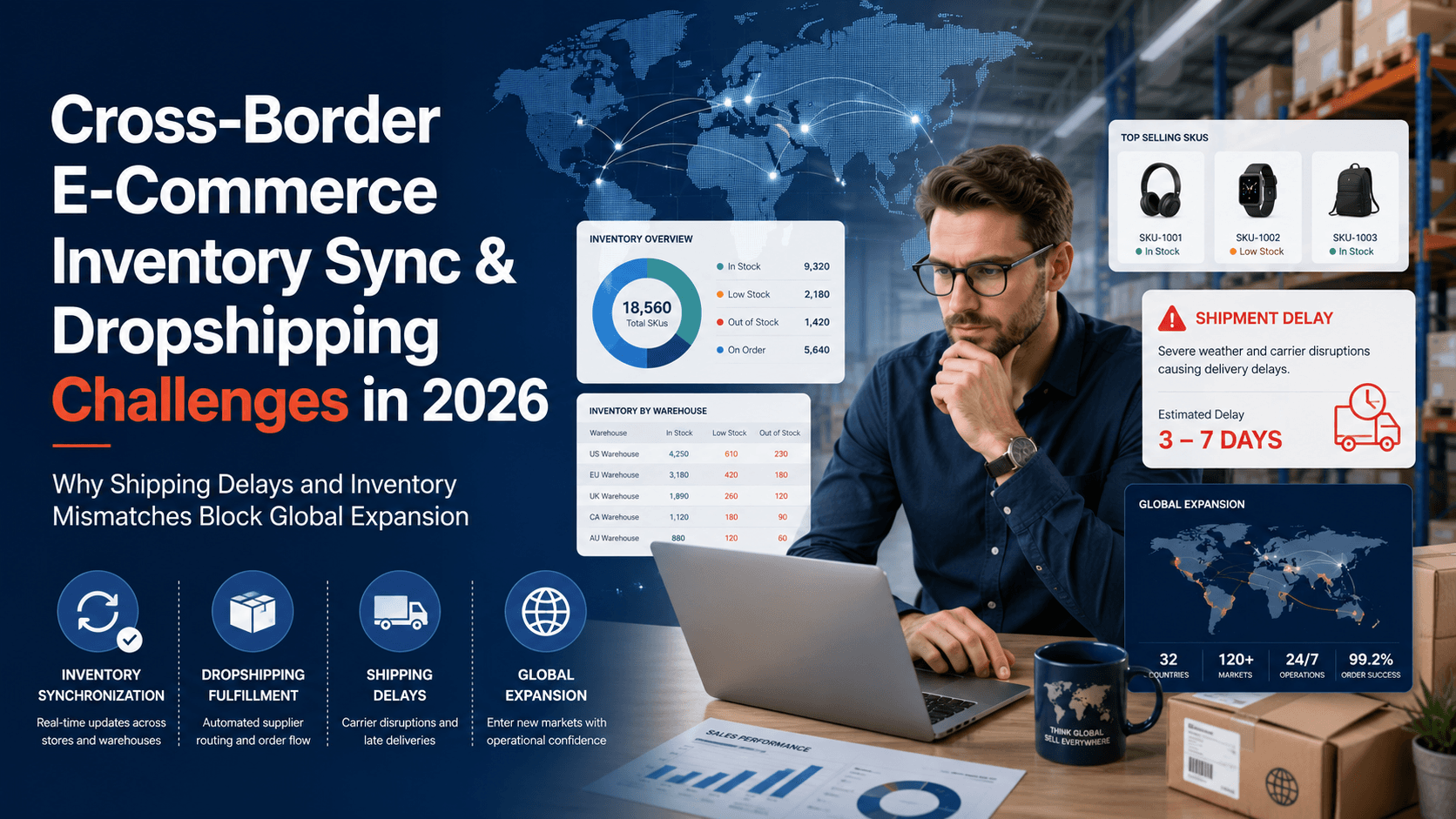
Each step affects the final customer experience. If the supplier sends inconsistent product quality, refund rates increase. If the warehouse takes too long to process orders, delivery times become unpredictable. If the shipping line has poor tracking updates, customers lose trust and contact support repeatedly. If VAT or customs handling is unclear, customers may face unexpected charges, which can lead to disputes, refusals, and negative reviews.
This is why serious sellers should treat fulfillment as a business system rather than a simple backend task. A reliable China-to-Europe dropshipping supplier should help with sourcing, quality checks, order processing, packaging, shipping, tracking updates, and after-sales coordination. When these parts work together, sellers can scale advertising with more confidence.
Choosing the Best Logistics Method from China to Europe
Logistics is one of the biggest differences between a profitable European dropshipping store and one that struggles with refunds. Customers in Europe are often willing to wait a reasonable amount of time for international products, but they expect honesty, tracking visibility, and consistent delivery.
Postal shipping is usually the cheapest option, but it is rarely the best long-term solution for serious sellers. It may work for early product testing or very low-cost items, but slower transit times and weaker tracking can damage the customer experience. A seller may save a small amount on shipping but lose more money through refunds, disputes, and customer service pressure.
Dedicated European shipping lines are usually a better fit for most China-to-Europe dropshipping orders. These lines are designed for ecommerce parcels and often provide a better balance between cost and delivery speed. They are commonly used for countries such as France, Germany, Italy, Spain, the Netherlands, Belgium, and Poland. Compared with standard postal services, dedicated European lines usually offer better tracking and more stable delivery performance.
Express carriers such as DHL, UPS, and FedEx are useful for high-value products, urgent shipments, business orders, or samples. However, they are often too expensive for ordinary low-ticket dropshipping products. If a product sells for €29.99, using premium express delivery can destroy the profit margin unless the customer pays extra for fast shipping.
European warehouses become important when a product has already been validated. Once a seller knows that a product is selling consistently, stocking inventory in Germany, France, the Netherlands, Poland, or another European warehouse can improve delivery speed and conversion rates. Faster shipping can make a store feel more local and trustworthy. However, overseas warehousing also creates inventory risk. It should be used after product validation, not before.
VAT, IOSS, and Customs: Why Compliance Matters in 2026
European tax and customs rules are an essential part of dropshipping from China to Europe. Sellers cannot ignore VAT, IOSS, customs declarations, or import-related costs. If these are handled poorly, customers may face unexpected fees at delivery, resulting in complaints, refund requests, and lower trust.
IOSS is especially relevant for low-value goods imported into the European Union. When used correctly, it allows VAT to be collected at checkout and simplifies the import process. This can improve the customer experience because buyers are less likely to face surprise charges when the parcel arrives.
For sellers, the most important point is that tax and customs costs should be included in the pricing model from the beginning. A product may look profitable when only the product cost and shipping fee are considered, but the real margin can be much lower once VAT, payment fees, advertising costs, customer service, and refunds are included.
In 2026, low-ticket products become more difficult to scale profitably because every extra cost has a larger impact on margin. This is one reason why many successful European dropshipping stores are moving toward higher perceived value products, bundles, multi-pack offers, and branded packaging.
Best Product Categories for Dropshipping from China to Europe in 2026
The best products for China-to-Europe dropshipping are usually lightweight, compact, durable, easy to understand, visually demonstrable, and not overly complicated from a compliance perspective. The goal is not only to find a product that people want, but also to find one that can be shipped efficiently and supported easily.
Pet products continue to be attractive because European pet owners often spend money on products that improve comfort, hygiene, grooming, or interaction. Pet grooming tools, travel bottles, cleaning accessories, walking accessories, and interactive toys can perform well when presented with emotional and practical benefits. Sellers should be careful with pet food, supplements, or products making medical claims, as these may involve more regulatory complexity.
Home organization and kitchen tools are also strong categories. European consumers value practical solutions that improve daily life. Storage bags, bathroom organizers, kitchen cleaning tools, sink accessories, drawer organizers, and small home improvement items can be effective because they are easy to demonstrate through before-and-after content.
Beauty accessories can work well when they are simple, non-medical, and easy to use. Hair tools, makeup organizers, nail accessories, cosmetic storage, and personal care tools can be appealing, especially when positioned around convenience and lifestyle. Sellers should avoid products that make medical or skin-treatment claims unless they understand compliance requirements.
Fitness accessories and support products can also be profitable. Items such as knee supports, wrist supports, posture accessories, resistance tools, and lightweight training products can appeal to office workers, older consumers, and active lifestyle audiences. The key is to avoid exaggerated health claims and focus on comfort, daily use, and practical support.
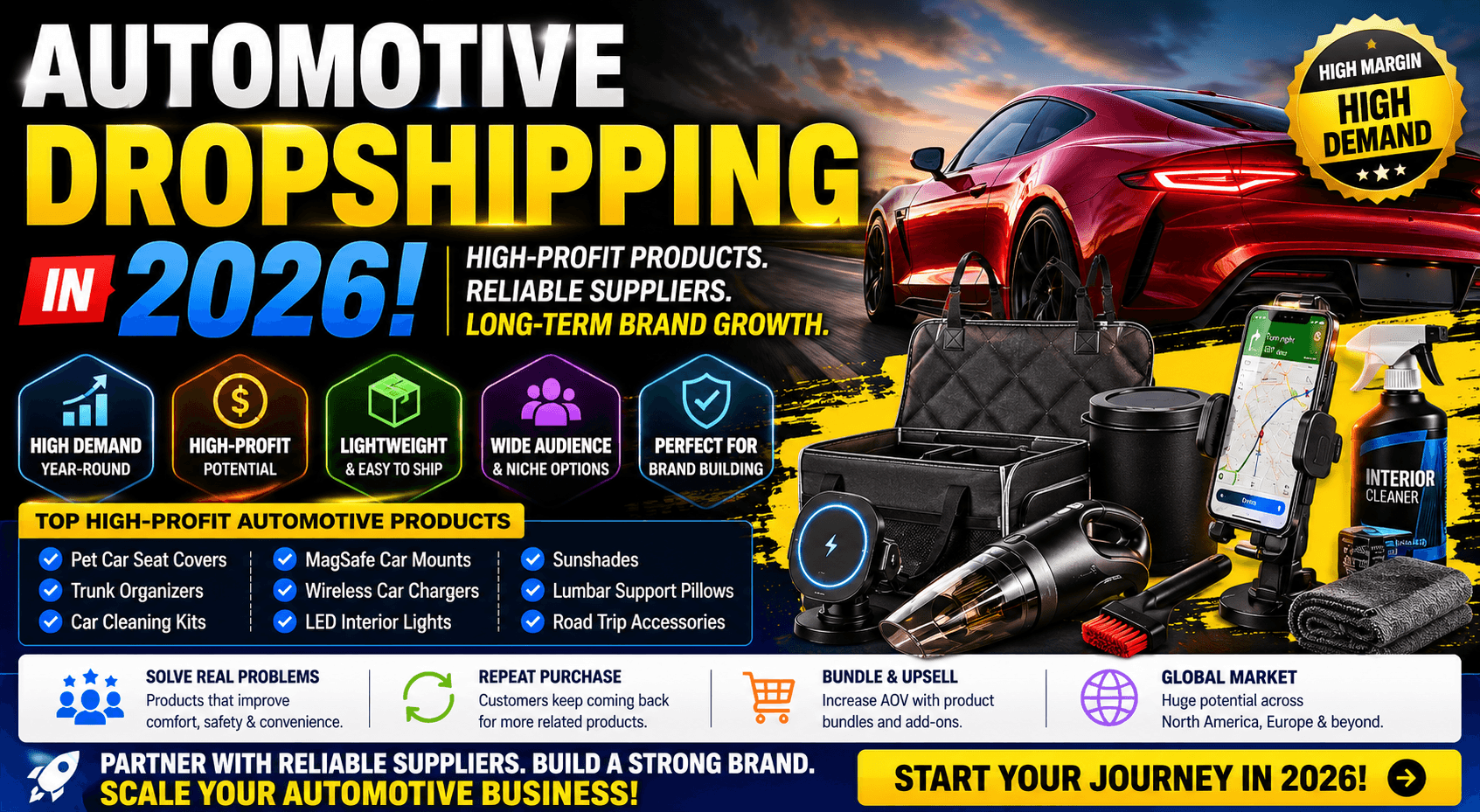
Travel and car accessories are another useful category. Car organizers, trunk storage solutions, travel bags, packing accessories, and portable convenience products can sell well across Europe. These products often have clear use cases and can be marketed through lifestyle content.
Product Categories New Sellers Should Avoid
Not every product is suitable for dropshipping from China to Europe, especially for beginners. Electronics, children’s products, cosmetics, food-contact items, medical-related products, fragile glass items, oversized goods, and very low-ticket products can create higher risk.
Electronics may look profitable because sourcing costs are low and selling prices can be attractive. However, they often require certifications, quality consistency, battery handling, and stronger after-sales support. A cheap smartwatch or small electronic device can quickly become expensive if customers report defects or if documentation is incomplete.
Children’s products and toys can also involve stricter safety requirements. Cosmetics and skincare products may require ingredient compliance, labeling, and local regulations. Food-contact products may need additional safety standards. These categories are not impossible, but they are better suited to sellers with stronger supplier relationships and better compliance knowledge.
Very low-ticket products are becoming less attractive because European fulfillment costs, VAT, advertising costs, and customer service expenses reduce margins. A €14.99 product may generate sales, but it may not produce enough net profit after all costs are included. In 2026, it is usually better to focus on products that can support a higher average order value.
Real Case Example: A French Pet Store Improved Profitability Through Better Fulfillment
A French Shopify seller in the pet niche originally sourced grooming and cleaning products from low-cost suppliers and used inexpensive shipping methods. The products attracted buyers, and the advertising campaigns generated steady sales. However, the business soon faced a growing number of customer complaints.
Many parcels took longer than expected to arrive, tracking information was inconsistent, and customers repeatedly contacted support to ask where their orders were. Refund requests increased, and the store’s profitability started to decline even though revenue looked healthy.
The seller eventually moved to a more professional China-to-Europe fulfillment setup. Products were inspected before shipment, packaging became more consistent, and dedicated European shipping lines replaced the cheapest postal option. Fulfillment costs increased slightly, but the overall business became healthier. Delivery became more predictable, customer complaints decreased, refund rates dropped, and the seller could scale advertising with more confidence.
This case shows why the cheapest logistics option is not always the most profitable. In European dropshipping, reliability can be more valuable than saving a small amount on each shipment.
How to Choose a Reliable Chinese Dropshipping Supplier for Europe
A reliable Chinese dropshipping supplier should do more than provide a low quote. For European ecommerce sellers, the supplier should help reduce operational risk and support long-term growth.
The first factor is sourcing stability. A good supplier should be able to source products consistently and respond quickly when stock changes. If a seller is running paid ads, sudden stock shortages can waste budget and damage customer trust.
The second factor is quality control. Even basic inspection before shipment can reduce wrong items, visible defects, damaged packaging, and customer complaints. Quality control becomes even more important when sellers begin scaling.
The third factor is logistics knowledge. A supplier experienced in China-to-Europe fulfillment should understand different shipping methods for different countries, product weights, product types, and delivery expectations. France, Germany, Italy, Spain, the Netherlands, and Poland may require different logistics strategies depending on the product.
The fourth factor is order automation. Manual spreadsheets may work for a few orders, but they become inefficient as volume grows. Automated order syncing with Shopify, WooCommerce, or other ecommerce platforms reduces human error and speeds up fulfillment.
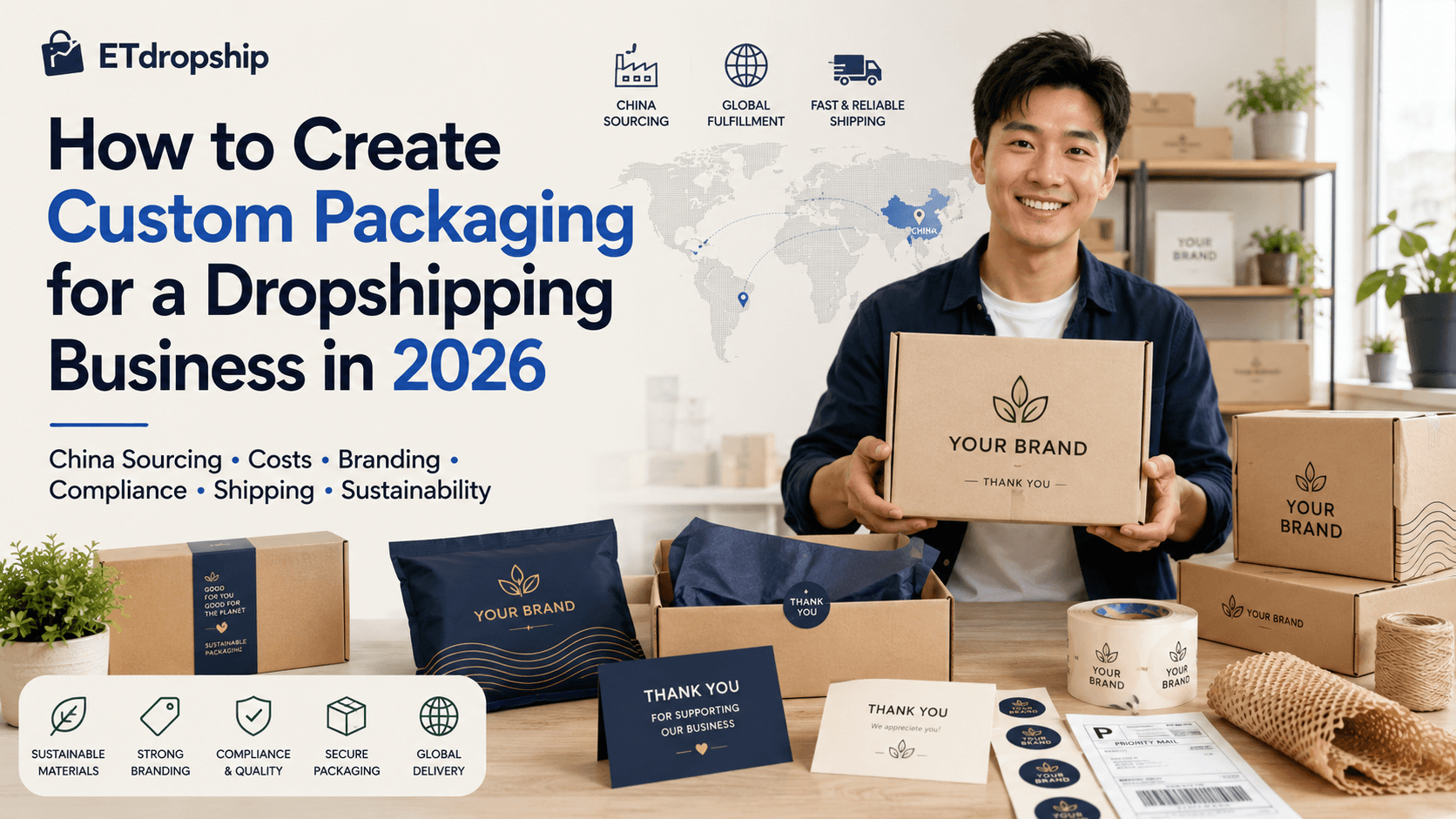
The fifth factor is branding support. Custom packaging, logo stickers, thank-you cards, product inserts, and branded labels can help a dropshipping store feel more professional. As competition increases, brand presentation becomes a major advantage.
The final factor is after-sales support. Lost parcels, damaged items, delays, and wrong shipments can happen in cross-border ecommerce. What matters is whether the supplier has a clear process for resolving these issues.
Why ETdropship Can Support European Sellers
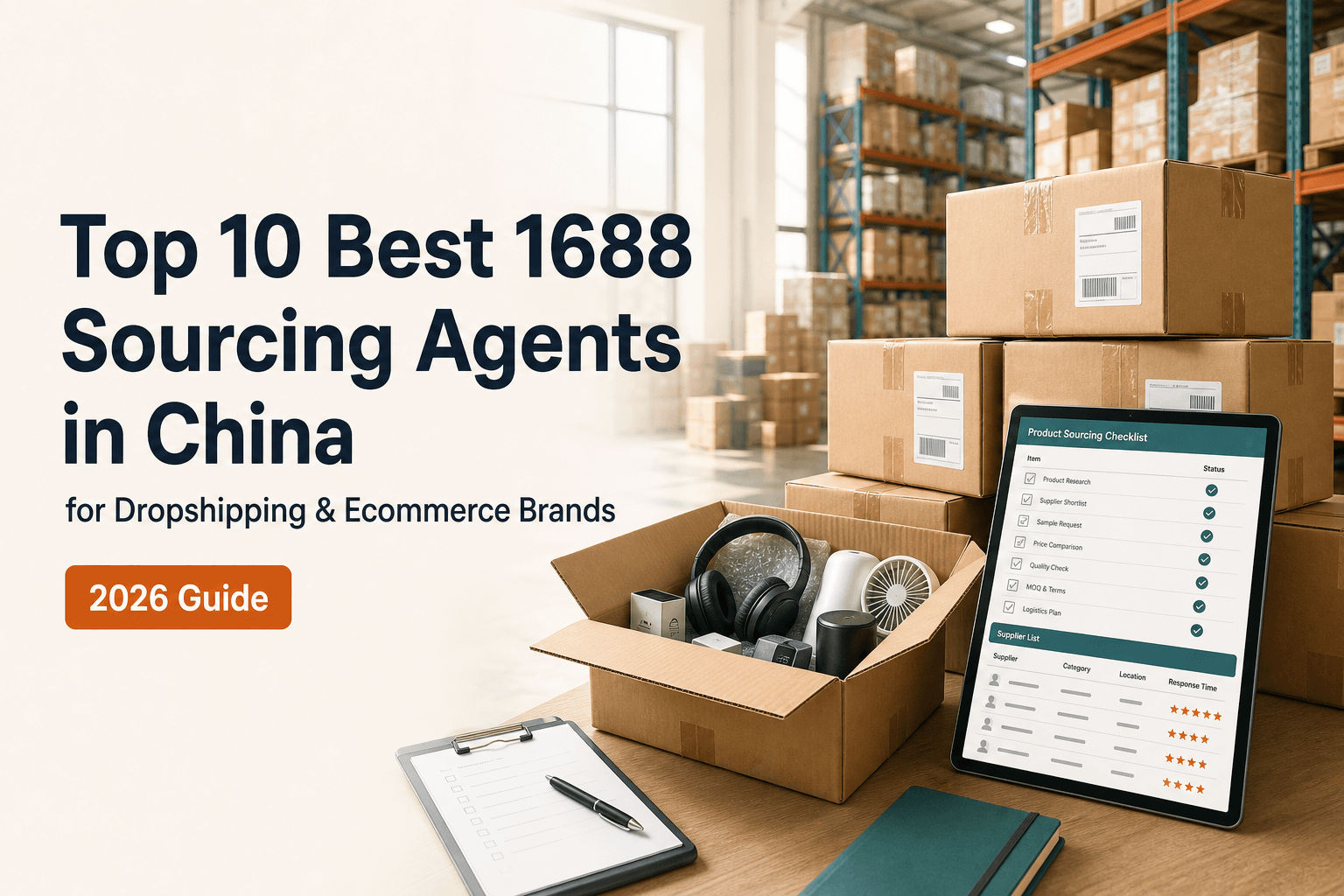
For many European sellers, working directly with multiple 1688 suppliers, factories, or Chinese marketplaces may seem cheaper at first. However, this approach often creates hidden problems. Different suppliers may have different processing speeds, packaging standards, stock accuracy, and quality levels. As order volume grows, communication becomes more difficult and mistakes become more expensive.
ETdropship helps sellers simplify this process by combining sourcing, quality inspection, warehouse handling, packaging, shipping, tracking updates, and after-sales coordination into one fulfillment workflow. Instead of managing several suppliers and logistics providers separately, sellers can work with one partner that understands China-to-Europe dropshipping.
This is especially useful for sellers who already have orders but do not yet have a full sourcing team, warehouse system, or logistics department. With a more organized fulfillment partner, sellers can spend more time on product testing, advertising, content creation, and customer acquisition while reducing backend errors.
ETdropship can also support branded packaging, custom labels, and product sourcing from Chinese supply channels. For sellers trying to move from a simple dropshipping store toward a more recognizable DTC brand, this kind of support can help improve customer perception and long-term profitability.
Building a Profitable Cost Structure
A profitable dropshipping business requires more than a good selling price. Sellers need to understand the real cost behind every order. Product cost is only one part of the equation. Packaging, fulfillment handling, shipping, VAT, payment processing, advertising, customer service, refunds, and replacements all affect net profit.
For example, a product that costs €5 to source and €6 to ship may appear profitable if it sells for €34.99. But once advertising costs, payment fees, VAT, and refund allowances are included, the actual net profit may be much smaller. If the product has a high refund rate or poor delivery performance, the margin can disappear quickly.
This is why successful sellers often focus on increasing average order value. Bundles, multi-pack offers, complementary upsells, and quantity discounts can improve profitability without dramatically increasing fulfillment costs. A customer buying a two-pack or three-pack may generate much better margin than a single-item order.
Higher perceived value also matters. Professional packaging, better product presentation, clearer instructions, and stronger customer communication can help justify a higher selling price. In 2026, profitable European dropshipping is less about selling the cheapest product and more about creating a complete buying experience.
Scaling from Product Testing to Long-Term Growth
Scaling a China-to-Europe dropshipping business should happen in stages. Each stage has a different goal.
During the early validation stage, the seller’s goal is to test whether the product has real demand. Direct fulfillment from China is usually the best option because it avoids inventory risk. At this stage, sellers should focus on ad performance, product page conversion, customer feedback, and refund patterns.
Once a product begins generating consistent orders, the seller should optimize the supply chain. This may include negotiating better sourcing prices, improving packaging, switching to a more stable European shipping line, and standardizing SKU management. Even small cost improvements can have a major impact when order volume increases.
As the store grows, branding becomes more important. Sellers should invest in branded packaging, email flows, customer service processes, reviews, and post-purchase communication. This helps the store move away from a generic dropshipping image and toward a more professional brand experience.
When order volume becomes predictable, European warehousing can be introduced. Stocking best-selling products in Europe can reduce delivery times, improve conversion rates, and make the customer experience feel more local. However, sellers should only stock products that have already been validated through real sales data.
Choosing the Best European Countries to Start With
Not every European market should be approached in the same way. For many sellers, it is better to begin with one or two target countries instead of trying to sell across all of Europe at once.
France is often a strong market for pet products, beauty accessories, home goods, and lifestyle products. French consumers respond well to visual branding and emotional product positioning. Germany is a strong market for practical, durable, and well-documented products. German customers may expect more detailed product information, clear policies, and reliable delivery.
Italy and Spain can work well for kitchen tools, beauty items, fashion accessories, family products, and home improvement products. These markets often respond well to lifestyle-driven advertising. The Netherlands and Belgium can be attractive because ecommerce adoption is strong and logistics infrastructure is mature. Poland and Eastern Europe may offer growth opportunities, especially for price-conscious products, but sellers should pay close attention to pricing and margins.
The best strategy is usually to start with a market where the product has a strong cultural fit, then expand into similar countries. For example, a product that works in France may later be tested in Belgium or Switzerland’s French-speaking region. A product that works in Germany may later be tested in Austria or the Netherlands.
How to Improve Customer Experience in European Dropshipping
Customer experience is one of the most important factors in long-term profitability. Even if a product sells well, poor customer experience can lead to refunds, disputes, negative reviews, and poor payment account health.
The first step is to set realistic delivery expectations. Sellers should not promise extremely fast shipping if the fulfillment system cannot support it. Clear shipping information helps reduce customer frustration.
The second step is to provide tracking updates. Customers do not always need the fastest delivery, but they want to know where their package is. A tracking number and visible shipment progress can reduce support requests.
The third step is to use better packaging. A product arriving in poor packaging can make the brand look cheap, even if the item itself is useful. Branded packaging, clean labels, and simple instructions can improve perceived value.
The fourth step is responsive support. European customers expect clear and polite communication. Fast responses can prevent small issues from becoming disputes.
The fifth step is a practical after-sales policy. For low-cost products, replacement may sometimes be more efficient than requiring a return. Sellers should work with suppliers that can support reasonable solutions for lost, damaged, or incorrect orders.
Common Mistakes Sellers Make When Dropshipping from China to Europe
One common mistake is choosing products only because they are cheap. Cheap products are not always profitable products. If the product has poor quality, low perceived value, or high refund risk, the low sourcing cost will not help.
Another mistake is using the slowest shipping method to maximize margin. In reality, slow or unreliable shipping often creates hidden costs through customer service, refunds, chargebacks, and negative reviews.
A third mistake is ignoring compliance. Products that require certifications, safety documents, or special labeling can create serious problems if sellers do not prepare properly.
A fourth mistake is scaling ads before fixing fulfillment. When sellers increase advertising spend while logistics are unstable, they often multiply their problems instead of multiplying profit.
A fifth mistake is treating Europe as one single country. Language, customer expectations, pricing, and delivery standards differ across markets. Sellers who localize their approach usually perform better.
The Future of China-to-Europe Dropshipping
The future of dropshipping from China to Europe will be more professional, more compliant, and more brand-driven. Low-effort stores that rely only on cheap products and slow shipping will find it harder to survive. But sellers who build strong fulfillment systems, choose better products, and create trustworthy customer experiences will still find significant opportunities.
Chinese suppliers will continue to play an important role because Europe still needs access to flexible, cost-effective, and innovative product sourcing. At the same time, sellers will need to combine Chinese sourcing with better logistics, clearer tax handling, improved packaging, and stronger customer service.
The winners will be those who use dropshipping not as a shortcut, but as a flexible supply chain model. They will test products quickly, validate demand, improve fulfillment, build brand value, and eventually scale with European warehouses or hybrid fulfillment systems.
Conclusion
Dropshipping from China to Europe in 2026 remains a strong opportunity, but it requires a more professional approach than in the past. Sellers need to understand product selection, logistics, VAT, IOSS, customs, supplier management, customer experience, and profitability as one connected system.
Europe still offers strong ecommerce demand. China still offers unmatched sourcing advantages. The key is connecting these two sides through reliable fulfillment and smart business strategy.
For sellers who choose the right products, work with reliable Chinese dropshipping suppliers, use stable China-to-Europe logistics, manage compliance properly, and improve customer experience, the European market can still be highly profitable. The future belongs to sellers who do not simply ship products, but build a dependable ecommerce supply chain across Europe.
FAQ:
Is dropshipping from China to Europe still profitable in 2026?
Yes, dropshipping from China to Europe can still be profitable in 2026, but sellers must calculate all costs carefully. Product cost, shipping, VAT, advertising, payment fees, refunds, and customer support all affect net profit. Higher-value products, bundles, and reliable fulfillment usually perform better than very cheap products.
What is the best shipping method from China to Europe for dropshipping?
For most sellers, dedicated European shipping lines provide the best balance between cost and delivery performance. Postal shipping may be cheaper but often creates a weaker customer experience. Express shipping is useful for high-ticket products, while European warehouses are best for validated products with stable sales.
Should beginners use a European warehouse?
Beginners should usually start with direct fulfillment from China to test products first. European warehouses are more suitable after a product has proven demand and predictable sales volume. Stocking inventory too early can create unnecessary risk.
What products are best for dropshipping from China to Europe?
Pet accessories, home organization products, kitchen tools, beauty accessories, fitness aids, travel accessories, and car organization products can work well. The best products are lightweight, compact, easy to understand, visually demonstrable, and not too complicated from a compliance perspective.
What products should new sellers avoid?
New sellers should be careful with electronics, children’s products, cosmetics, medical-related products, food-contact products, fragile items, oversized goods, and very low-ticket products. These categories may involve higher compliance, quality, or refund risks.
How do I choose a reliable Chinese dropshipping supplier for Europe?
A reliable supplier should offer stable sourcing, quality control, European shipping options, automated order syncing, branded packaging, clear tracking, and after-sales support. Sellers should not choose suppliers based only on the lowest price.
Why is VAT important for European dropshipping?
VAT affects the final cost and customer experience. If VAT or import fees are not handled properly, customers may face unexpected charges when receiving the parcel. This can lead to disputes, refusals, and refund requests.
How can I increase profit when dropshipping to Europe?
Sellers can increase profit by improving average order value, creating bundles, adding upsells, using branded packaging, reducing refund rates, improving logistics reliability, and selecting products with higher perceived value.
Can ETdropship help with dropshipping from China to Europe?
Yes. ETdropship can help sellers source products from China, handle order fulfillment, inspect products, arrange China-to-Europe logistics, support branded packaging, and coordinate after-sales issues. This allows sellers to focus more on marketing, product testing, and scaling their ecommerce business.