Best Dropshipping Products for the 2026 World Cup: What Sold and What to Test Next
The 2026 FIFA World Cup created an unusually broad seasonal sales window. Matches were spread across the United States, Canada, and Mexico, summer weather encouraged outdoor viewing, and many shoppers participated through watch parties rather than stadium attendance. That combination produced demand beyond jerseys. Fan-color clothing, hosting accessories, portable seating, phone-content tools, youth football products, and small celebration items all benefited from the same event cycle.
The tournament is now over, so sellers should not treat this page as a signal to launch fresh 2026-specific inventory. The useful question is what the event revealed about product-market fit and which product angles can be reused for the next international tournament, domestic league final, or local watch-party season. The strongest opportunities were not counterfeit versions of official merchandise. They were practical football-lifestyle products that helped customers dress, host, travel, record, or play.
This updated guide keeps the original seasonal search intent while separating proven product behavior from expired hype. It explains the categories that had durable demand, the risks that destroyed otherwise good campaigns, and the operating timeline that future sellers can reuse.
What the 2026 tournament changed for product selection
A World Cup is not one shopping moment. Demand begins with qualification news and draw discussions, rises when team rosters and travel plans become concrete, peaks around opening matches and knockout rounds, and then falls quickly for products tied to a specific year or result. A seller who sees only the peak is already late. The opportunity depends on matching the product to the right part of the demand curve.
Event-neutral products usually have the longest commercial life. A red-and-white fan outfit, a foldable picnic mat, a mini training goal, or a phone tripod can be promoted around football without becoming useless after the final. Products printed with an unauthorized tournament logo, a player image, or a date-specific slogan create both legal exposure and leftover-stock risk. That distinction matters more than any list of trending SKUs.
The 2026 event also confirmed that North American viewing culture expands the addressable market. Customers bought for homes, bars, community spaces, gardens, campsites, and travel. Sellers who built bundles around a viewing occasion could raise order value without depending on an expensive hero product. The best product portfolio therefore mixed one visually expressive item with practical add-ons that could still sell after the tournament.
Start with IP-safe demand, not official-looking merchandise
Football demand does not grant permission to use protected intellectual property. FIFA marks, official tournament graphics, national federation crests, sponsor artwork, player likenesses, and copied jersey designs may be protected by trademark, copyright, design, publicity, or marketplace rules. A supplier's willingness to print an image is not proof that a seller has the right to sell it.
A safer creative direction uses generic football language, original illustrations, non-protected color combinations, hosting themes, and functional product benefits. Even country colors require judgment: a plain color palette is generally different from reproducing an official crest or kit design. Before approving artwork, sellers should document the source of each graphic, keep license records, and check ecommerce brand compliance in the markets where ads and orders will run.
This is also why product titles and ad copy should describe the customer's occasion rather than imply official affiliation. Phrases such as “summer football watch party set” or “red-and-white match-day accessories” communicate use without claiming that the item is authorized tournament merchandise. When a campaign depends on shoppers mistaking a product for an official item, the underlying offer is not sustainable.
Fan-color apparel works when it remains wearable
Lightweight shirts, caps, bandanas, socks, face stickers, and simple accessories were natural impulse purchases because they helped a group look coordinated. The most resilient designs did not print a protected logo or lock the buyer into one match. They used original typography, abstract ball patterns, or color-blocking that could work for several football occasions.
Apparel economics become difficult when a seller offers too many colors and sizes before demand is known. Each variation fragments sales data and increases the chance of a wrong-size return. A narrower launch with a few well-photographed combinations is easier to test. Size charts should use finished-garment measurements, and the product page should explain fit rather than relying only on S, M, and L labels.
Print on demand can reduce inventory exposure for original designs, but it does not remove the need to test print quality, production time, or margins. A profitable print-on-demand business needs enough contribution after base-product cost, printing, shipping, payment fees, ad spend, and replacements. For high-volume moments, sellers should also confirm whether the printer can maintain dispatch times when many shops submit orders at once.
Watch-party products create useful bundles
Home-viewing demand supported products that made a room or table feel ready for a match: reusable bunting, neutral football-themed cups, snack trays, table covers, mini flags without protected crests, and compact lighting. These products are rarely strong stores on their own, but they can improve average order value when combined around one hosting task.
The bundle should reduce planning work for the customer. A “small apartment watch-party kit” might prioritize compact decorations and reusable cups, while an outdoor version could combine a picnic mat, drink carriers, and weather-resistant lighting. Clear quantity information matters. Customers need to know whether a set serves four people or twelve, and whether batteries, hooks, or adhesive strips are included.
Decoration products also expose hidden shipping problems. Long banners can be inexpensive but awkward to pack; fragile plastic may arrive cracked; and low-cost multi-item sets create more opportunities for missing parts. Sellers should test the final packed kit, not only each component. A bundle is valuable only when it reaches the buyer complete and before the planned match.
Outdoor viewing and travel accessories had broader demand
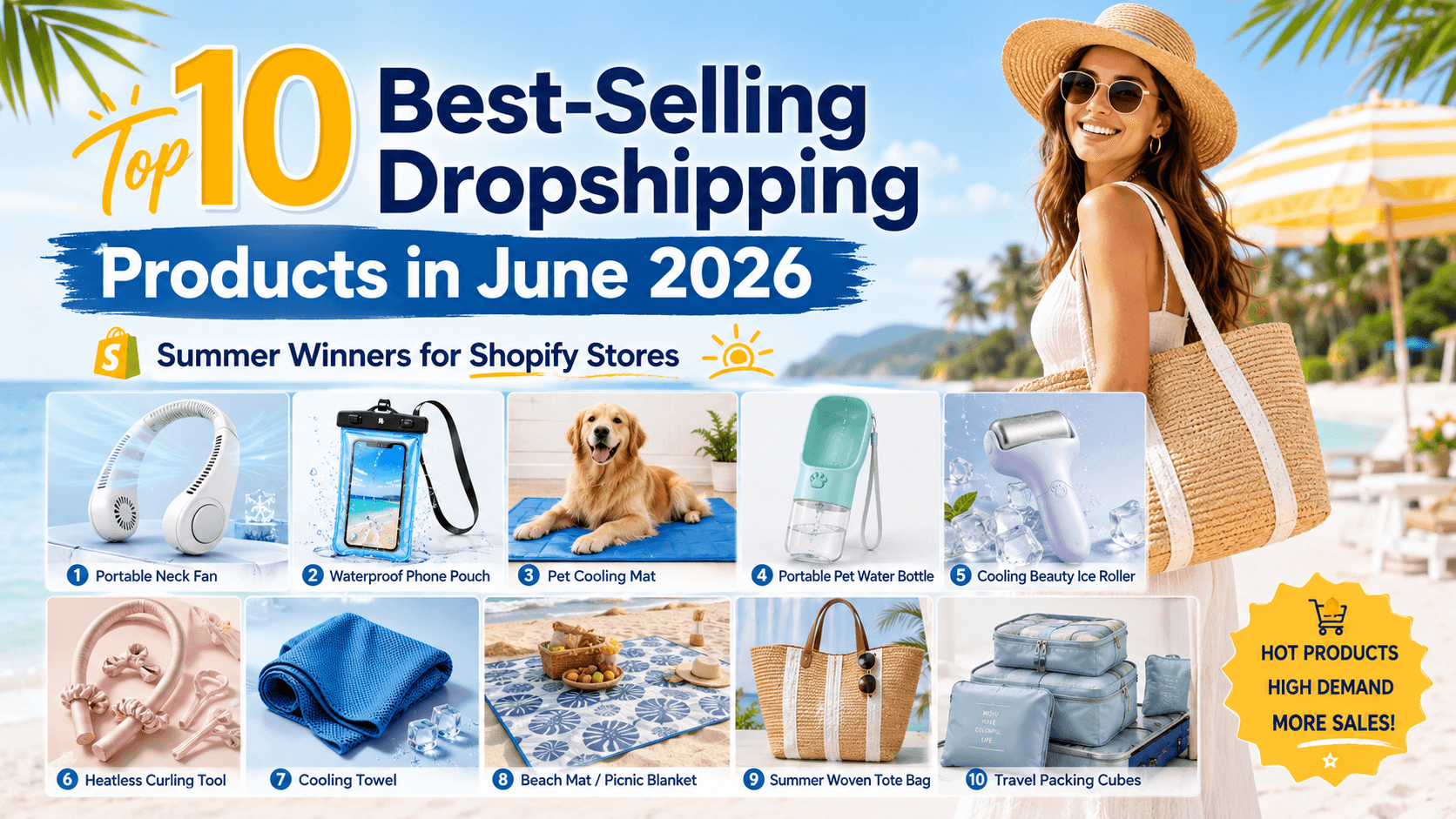
Because much of the 2026 tournament took place during summer, portable comfort products had a stronger fit than they would in a winter event. Foldable seat cushions, insulated bottle sleeves, compact shade accessories, lightweight picnic mats, rain ponchos, and travel organizers could be used at fan festivals, parks, bar patios, campsites, or ordinary summer gatherings.
These products are attractive because the football angle is a campaign context rather than the entire product identity. A seller can change the imagery after the tournament and continue selling the same SKU for festivals, concerts, camping, and family outings. That improves the chance of recovering creative and sampling costs.
Operationally, dimensions matter as much as unit price. A padded seat or mat can become expensive when its packed volume is large. Water bottles and cooling products may have material, leakage, or destination-market requirements. Product pages should not make medical or performance claims that samples cannot support. The best outdoor offer is easy to demonstrate, compact to ship, and useful outside one event.
Youth training products connect event attention to participation
Major tournaments often inspire children and casual players to practice. Mini goals, marker cones, rebound nets, agility ladders, ball pumps, and simple training targets therefore have a different demand pattern from decorations. They may receive an event-driven lift, but their usefulness continues through school holidays, club seasons, and backyard play.
Safety and age suitability must be taken seriously. Sellers should verify materials, small-parts warnings, assembly stability, and the accuracy of age recommendations. A cheap goal that tips over or a training item that breaks under normal use can create a liability problem far larger than the order value. Samples should be used in realistic conditions, including repeated assembly and outdoor exposure.
Content for this category works best when it teaches one activity instead of promising elite results. A short video showing a parent setting up a five-minute dribbling drill is more credible than exaggerated claims about improving performance. Educational demonstration also makes the product relevant after tournament search volume falls.
Pet and social-content accessories need disciplined testing
Pet bandanas, bow ties, soft hats, and simple photo props can generate highly shareable content. Phone tripods, clip-on lights, remote shutters, and small microphones likewise help customers record reactions or group photos. Both categories benefit from social behavior, but both are easy to overestimate when a video receives views without producing profitable orders.
Pet products require accurate sizing and comfort guidance. Sellers should avoid accessories that restrict breathing, movement, vision, or hearing, and should recommend supervision where appropriate. For phone accessories, compatibility, battery details, connector types, and app requirements must be explicit. A product that looks universal in a short video can produce a high return rate if those details are hidden.
Creative quality is especially important here because the visual demonstration is the offer. Consistent product photography can show scale, fit, package contents, and real use more clearly than supplier images copied by dozens of stores. The aim is not simply to make the item look exciting; it is to answer the questions that otherwise become refunds.
Small home and car decorations are add-ons, not a core strategy
Cushion covers, removable window decorations, keyrings, cup holders, and compact desk items can complement a larger order. Their low price supports impulse buying, but shipping a single low-margin accessory through paid acquisition rarely works. Sellers should treat them as checkout add-ons or bundle components and calculate the additional pick, pack, and packaging cost.
Vehicle products need extra caution. Decorations must not obstruct the driver's view, interfere with controls, or detach dangerously. Adhesive products should be tested for residue and heat exposure. A seasonal conversion lift is not worth creating a safety problem or a wave of complaints after summer temperatures rise.
A product-selection framework for the next football event
Demand life
Estimate how long the product remains sellable if a team is eliminated or the tournament ends. Generic utility and original, reusable design extend the sales window. Year-specific prints and official-looking motifs shorten it.
Margin after the real package
Calculate contribution using the final packed dimensions and weight, not a supplier's bare-unit quote. Include payment fees, advertising, discounts, replacements, duties where applicable, and the cost of combining multiple items into one kit.
Demonstration strength
A strong seasonal product can be understood in a few seconds and still withstand closer inspection. Test whether the creative shows a real use case, package contents, scale, and quality. When comparing Google and Facebook advertising, remember that search captures explicit intent while social creative can create demand around a viewing occasion; the product and landing page must match the channel.
Compliance and fulfillment resilience
Confirm intellectual-property clearance, safety requirements, labeling, destination restrictions, and supplier capacity before increasing spend. Ask how processing time changes during peaks, what happens when one bundle component is unavailable, and whether tracking is uploaded fast enough to set honest delivery expectations.
Use a three-phase operating timeline
The research phase should begin months before the event. The goal is to identify audience occasions, request samples, verify rights and safety, photograph real products, and calculate landed economics. This phase should produce a small group of testable offers rather than a giant catalog.
The validation phase begins when schedules, participating teams, and viewing plans become more concrete. Sellers can test several creative angles with controlled budgets, compare conversion and refund signals, and reduce weak variations. Inventory commitments should follow evidence. A viral post without checkout conversion is not sufficient evidence.
The scale-and-exit phase requires daily attention to delivery cutoffs. Ads for date-sensitive products must stop early enough for orders to arrive before the relevant match. After the peak, creative should shift toward reusable product benefits, and unsold stock should be repackaged for summer, travel, youth training, or ordinary football audiences. Sellers who define the exit plan before launch are less likely to discount in panic.
What sellers should do now that the 2026 World Cup is over
Do not place new bulk orders for products whose value depends on the 2026 tournament date, an eliminated team, or an expired match. Review remaining inventory by reuse potential. Generic outdoor products and training accessories can be relisted under evergreen use cases; authorized collectibles may require a different long-tail strategy; unauthorized logo products should not be promoted simply to clear stock.
Campaign data is more valuable than a superficial winners list. Compare product-level contribution margin, delivery-time complaints, return reasons, creative hooks, bundle uptake, and performance by market. Record which orders missed their intended match and why. These lessons should shape supplier selection and cutoff rules for the next event.
Finally, preserve the assets that remain reusable. Original football illustrations, neutral match-day photography, tested size charts, packaging specifications, and customer questions can reduce preparation time for future tournaments. Remove expired dates and claims, but keep the operating knowledge.
Conclusion
The best dropshipping products for the 2026 World Cup were not necessarily the items that looked most official. They were products that helped customers participate in football culture without creating unnecessary IP, inventory, or delivery risk. Fan-color apparel, watch-party kits, outdoor comfort items, youth training gear, pet accessories, content tools, and small add-ons each worked under different economics.
For sellers planning the next major football moment, the durable advantage is a repeatable process: choose an occasion, verify rights and safety, sample the final package, test a narrow offer, scale only after contribution is visible, and stop date-sensitive acquisition before delivery becomes unreliable. That process survives long after a seasonal keyword peaks.
Frequently Asked Questions
What were the best dropshipping products for the 2026 World Cup?
The strongest categories included IP-safe fan-color apparel, watch-party bundles, portable outdoor-viewing accessories, youth football training products, pet photo accessories, phone-content tools, and small home add-ons. The best choice depended on margin, delivery timing, compliance, and whether the item remained useful after the final.
Should sellers still launch World Cup products after the tournament?
Not if the product depends on the 2026 date, a specific match, or short-lived event demand. Sellers can still reposition generic outdoor, training, hosting, or football-lifestyle products for evergreen uses, provided product pages and advertising no longer imply a current event.
Can a dropshipping store use FIFA or team logos?
Only with appropriate authorization. Sellers should not assume that a supplier owns the necessary rights. Official marks, crests, copied kits, player images, and sponsor artwork can create legal and marketplace risk. Original, generic football designs are usually a more durable starting point, but specific legal questions require qualified advice.
Is print on demand suitable for football-event products?
It can be suitable for original designs and controlled testing because it reduces finished-goods inventory. Sellers still need to test print quality, production capacity, shipping time, and full contribution margin. POD does not make unauthorized artwork legal.
How early should sellers prepare for the next football tournament?
Research, rights review, and sampling should begin several months before the event. Controlled creative tests can follow when schedules and audiences are clearer. Scaling should happen only after conversion, contribution margin, supplier capacity, and delivery cutoffs are understood.
How can a store reduce leftover seasonal inventory?
Favor products with generic utility, keep initial variation counts low, use evidence before bulk purchasing, and define a post-event positioning plan. Original, date-neutral assets and products can often move into summer, travel, hosting, or youth-sports campaigns.
Should seasonal sellers use bundles?
Bundles work when they solve one recognizable task, such as preparing a small watch party or setting up outdoor viewing. The seller must test the complete kit, disclose quantities, calculate pick-and-pack costs, and plan for a component going out of stock.
What metrics matter after a tournament campaign ends?
Review contribution margin, delivery performance, return reasons, complaints, bundle uptake, conversion by creative, and performance by market. Match-related late deliveries deserve separate analysis because they reveal whether future advertising cutoffs need to change.