What Is Dropshipping? How Does the Dropshipping Model Work in 2026?
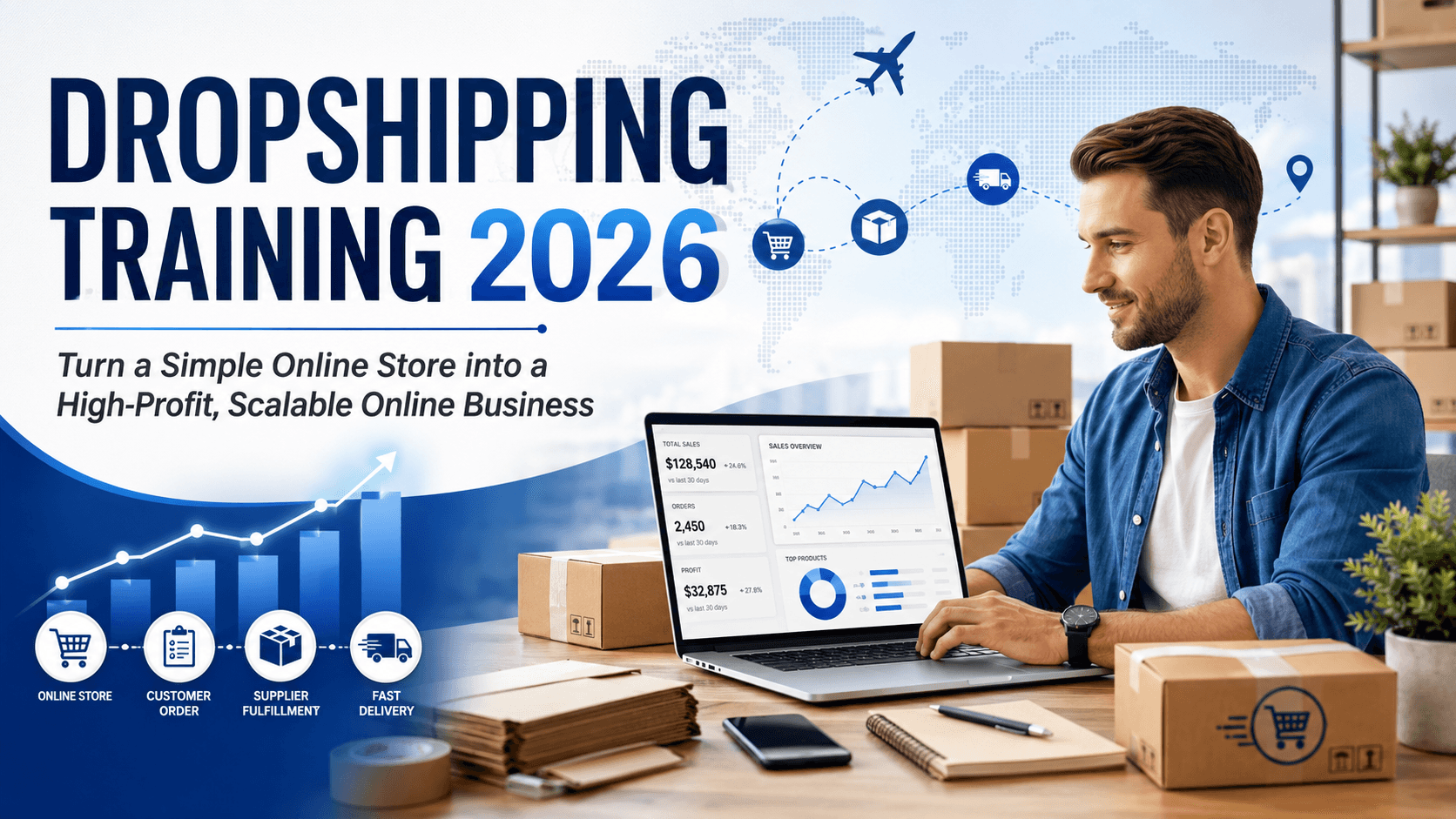
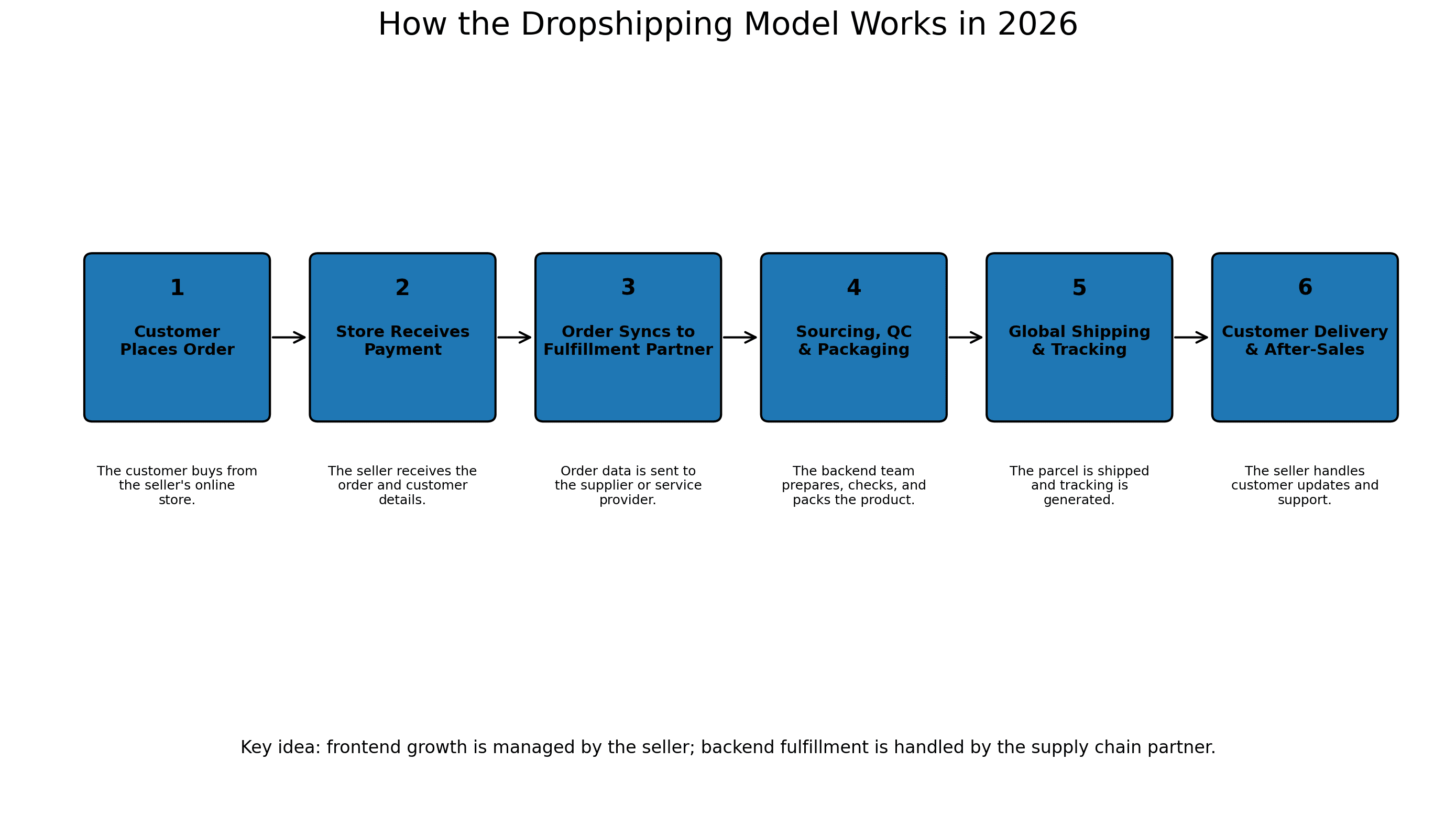
Dropshipping is a light-inventory ecommerce business model. Sellers do not need to purchase large amounts of stock before making sales, nor do they need to manage warehouses, packing, or international shipping by themselves. When a customer places an order in an online store, the order is passed to a supplier, sourcing agent, or dropshipping fulfillment provider. The backend partner then handles product procurement, quality inspection, packaging, shipping, and tracking, with the product delivered directly to the end customer.
On the surface, dropshipping reduces inventory pressure. At a deeper business level, it changes how ecommerce sellers allocate their resources. Traditional ecommerce often requires sellers to invest heavily in inventory, warehousing, and fulfillment. Dropshipping allows sellers to spend more resources on market testing, advertising, content marketing, brand positioning, and customer operations.
By 2026, dropshipping is no longer just about “finding a product, uploading it to a store, and waiting for orders.” With rising advertising costs, stricter platform fulfillment rules, and higher consumer expectations for shipping experience and brand trust, dropshipping has evolved from a low-barrier selling model into a more professional cross-border ecommerce supply chain model.
Market Background: Why Dropshipping Still Matters in 2026
Global Ecommerce Growth Continues to Support Dropshipping
The foundation of dropshipping is the continued growth of global ecommerce. According to data cited by Shopify from EMARKETER, global retail ecommerce sales are expected to reach approximately **$6.88 trillion in 2026**, accounting for around **21.1%** of total global retail sales. By 2028, global retail ecommerce sales are expected to grow further to approximately **$7.89 trillion**. This means consumers are continuing to shift more of their purchasing behavior online, giving cross-border sellers opportunities to enter different markets and niche categories.
Categories such as pet products, home cleaning tools, beauty accessories, fitness accessories, holiday gifts, white-label products, and personalized packaging products remain suitable for testing through independent stores, short-form video content, social media advertising, and search traffic.
The Dropshipping Market Is Becoming More Professional
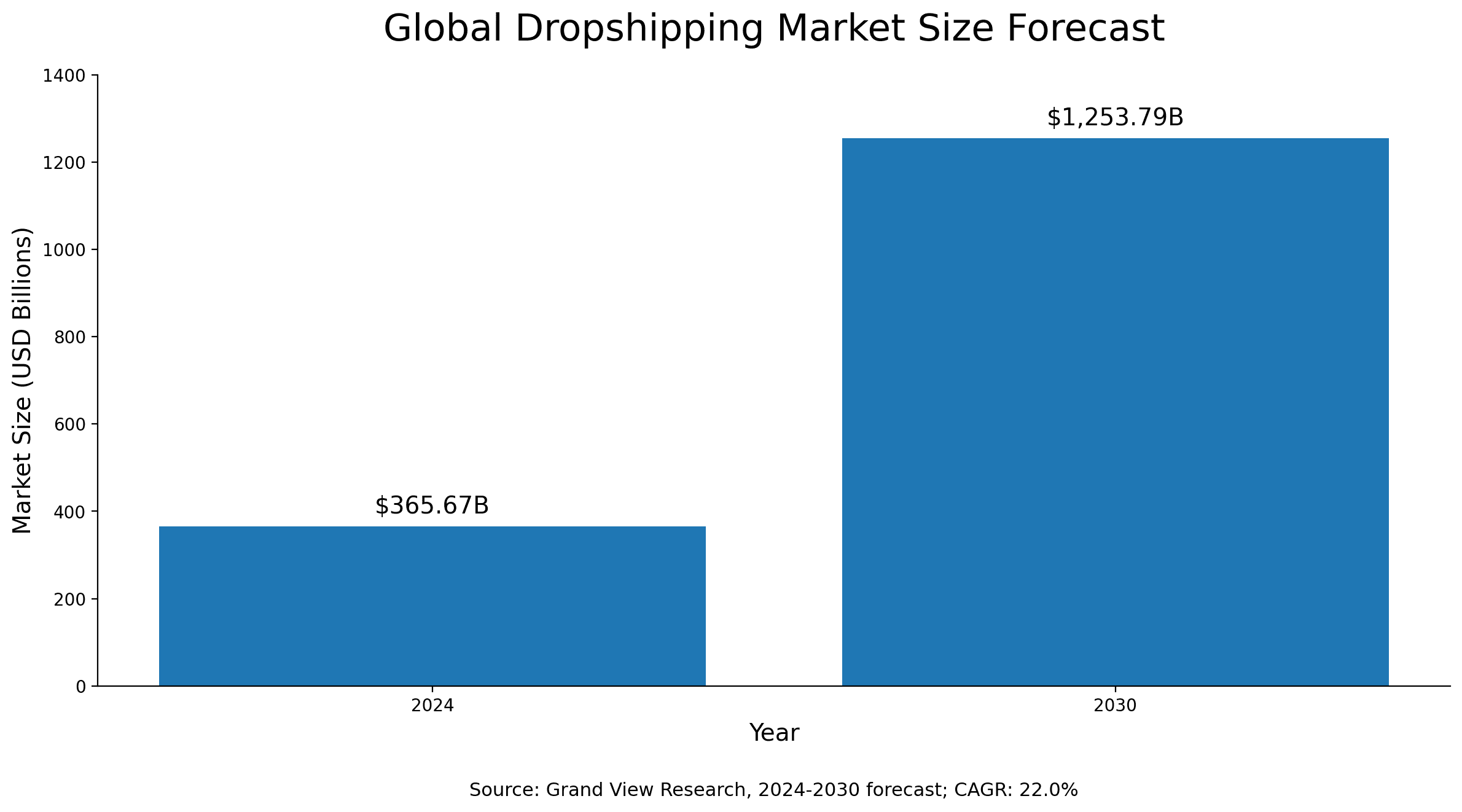
The dropshipping market itself is also growing. Grand View Research reported that the global dropshipping market size was approximately **$365.67 billion in 2024**, with an expected compound annual growth rate of **22.0%** from 2025 to 2030. The market is projected to reach approximately **$1.25 trillion by 2030**. Key growth drivers include ecommerce adoption, mature digital payment systems, cross-border trade convenience, and sellers’ demand for low-inventory business models.
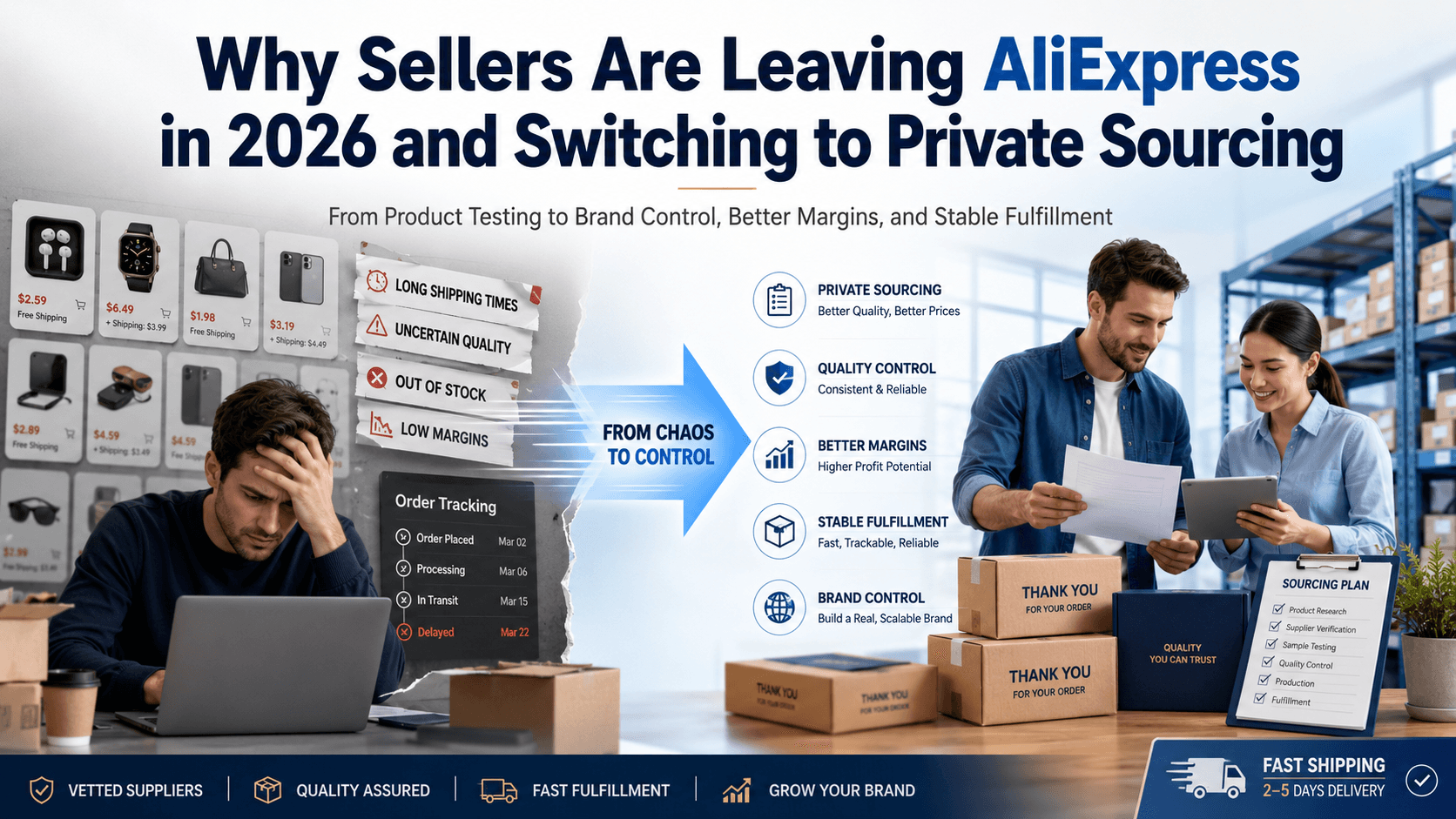
However, market growth does not mean dropshipping is becoming easier. In fact, the competitive threshold in 2026 is higher than before. In the past, many sellers could generate orders with low-cost products, simple product pages, and paid ads. Today, consumers pay close attention to tracking updates, delivery time, product packaging, customer reviews, and after-sales response.
If a store simply copies supplier images, lacks brand identity, ships slowly, and has unclear after-sales handling, it may still generate some early orders, but it will be difficult to build stable long-term profitability.
A more professional dropshipping logic in 2026 is this: use dropshipping to reduce inventory risk, validate product demand through real orders, improve the customer experience through supply chain optimization, quality inspection, packaging, and logistics management, and then gradually upgrade winning products into branded products.
What Is the Dropshipping Model?
The Basic Operating Logic of Dropshipping
The core dropshipping process is straightforward. A seller first selects products and lists them on Shopify, WooCommerce, TikTok Shop, Amazon, eBay, or another sales channel. When a customer places an order, the seller syncs the order information to a supplier or fulfillment provider. The backend provider then prepares the product, performs quality inspection, packs the order, attaches the shipping label, and dispatches the package. Once the logistics provider generates a tracking number, the tracking information is sent back to the store, and the customer receives a shipping notification.
The key point is that the seller does not need to hold large amounts of inventory before orders are generated. The seller mainly handles frontend operations, including product selection, store pages, ad creatives, content marketing, customer communication, and data analysis. The supply chain partner handles backend fulfillment, including procurement, warehousing, quality checks, packaging, shipping, and logistics tracking.
Shopify also explains dropshipping fulfillment in a similar way: merchants can sell products without holding inventory themselves and can outsource packaging and shipping to a third-party fulfillment provider. The value of this model is that it reduces inventory investment and supply chain management pressure, allowing sellers to test products more quickly.
Dropshipping Does Not Mean “Making Money with Zero Inventory”
Many beginners mistakenly believe dropshipping is a zero-cost business model. This is a common misunderstanding. Dropshipping can reduce inventory investment, but it does not remove all costs. Sellers still need to pay for store setup, ad testing, creative production, payment processing fees, after-sales costs, and time investment.
A more accurate description is that dropshipping is a **low-inventory startup method**. It is suitable for sellers who want to test products before committing to inventory. Real orders and advertising data help sellers judge whether a product is worth further investment. If a product performs consistently, the seller can move into small-batch inventory, branded packaging, white-label products, or customized product development.
Dropshipping vs. Traditional Ecommerce
Traditional Ecommerce: Buy First, Sell Later
In traditional ecommerce, sellers usually purchase inventory first, then arrange warehousing, packaging, and shipping. This model is suitable for products that have already been validated. Sellers have stronger control over inventory, packaging, shipping speed, and customer experience, but the upfront capital pressure is much higher.
If the seller misjudges market demand, unsold products can quickly become dead stock. This risk is especially serious for beginners. A product may look promising in a supplier catalog, but that does not mean consumers are willing to pay for it. A supplier may claim a product is hot-selling, but that does not mean it will work in your target market.
Dropshipping: Test First, Fulfill Later
Dropshipping is more suitable for the product testing stage. Sellers can test products, pricing, ad creatives, and target markets with lower inventory risk. If the data is weak, the seller can quickly adjust direction. If the data is strong, the seller can gradually improve the supply chain and brand experience.
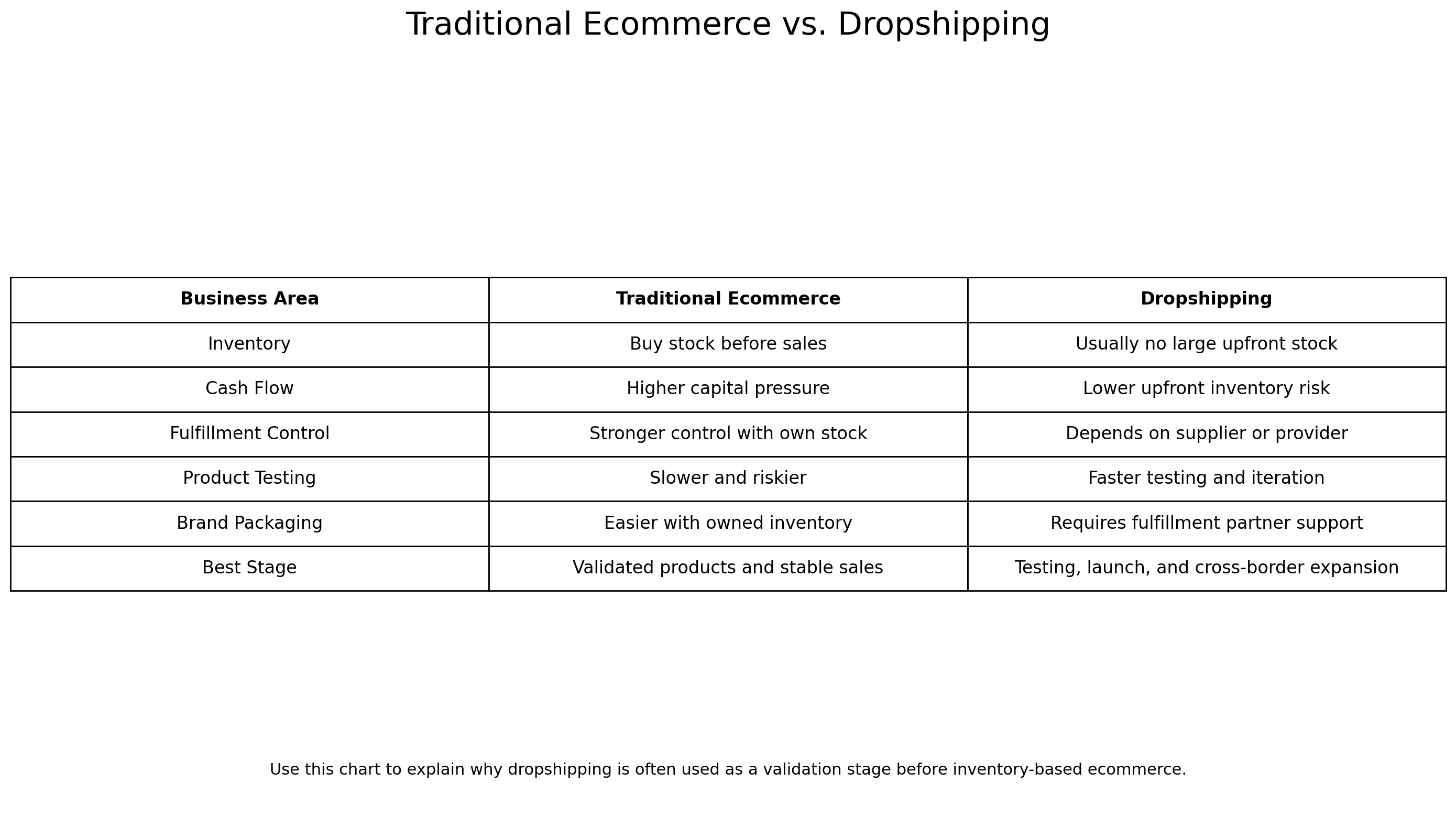
In practice, dropshipping should not be understood as a replacement for traditional ecommerce. It is better understood as a validation stage before traditional inventory-based ecommerce. A common path for mature sellers is to first test products through dropshipping, then move into small-batch stocking after demand is confirmed, followed by branded packaging, product labeling, white-label products, and customized development.
Core Advantages of the Dropshipping Model
Lower Inventory Risk
The most direct advantage of dropshipping is reduced inventory risk. For new cross-border ecommerce sellers, the biggest risk is often not the inability to sell, but investing heavily in inventory before a product has been validated.
With dropshipping, sellers can test multiple product directions first. For example, in the pet category, sellers can test pet travel products, pet cleaning products, pet toys, and small-dog accessories. In home cleaning, sellers can test kitchen cleaning, bathroom cleaning, pet hair removal, and car interior cleaning products. Once the data shows which products perform better, sellers can focus budget and supply chain resources on the most promising products.
Better Capital Efficiency
Traditional ecommerce requires upfront spending on procurement, warehousing, and packaging. With dropshipping, sellers can allocate more capital to ad testing, short-form video creatives, product page optimization, email marketing, and customer conversion.
This is especially important for Shopify independent store sellers. Independent stores do not come with built-in platform traffic, so sellers need to constantly test ad creatives, product pages, and user journeys. If too much money is tied up in inventory, the seller has less room for testing and optimization.
Faster Product Testing
Consumer trends change quickly in 2026. A product can suddenly go viral because of a TikTok video, but it can also become highly competitive once too many sellers enter the market. Dropshipping allows sellers to test product performance faster instead of spending months on production, shipping, and warehousing before launch.
For example, one kitchen cleaning tool can be tested from several angles: kitchen grease cleaning, bathroom scale removal, car interior cleaning, and pet household cleaning. By analyzing click-through rate, add-to-cart rate, checkout rate, and purchase cost, sellers can identify which use case converts better.
Better Fit for Small Cross-Border Teams
Many cross-border sellers are small teams. Some are even solo operators handling product selection, store setup, advertising, customer service, and order management at the same time. If they also have to manage procurement, packing, international logistics, tracking numbers, lost packages, and reshipments, the operational burden becomes very heavy.
This is where dropshipping fulfillment providers create value. A stable fulfillment team can help sellers manage product sourcing, procurement quotations, quality inspection, packaging, global shipping, and tracking number updates, allowing sellers to focus more on frontend growth.
Easier Path Toward Brand Building
Early-stage dropshipping can indeed be highly similar across sellers, but it can also become the testing stage for a branded business. Sellers can first use standard dropshipping to validate demand. Once a product starts selling consistently, they can add thank-you cards, branded stickers, custom packaging bags, instruction manuals, hang tags, product labels, or custom boxes.
As order volume grows, sellers can move further into white-label products, product logo customization, color and material customization, and even OEM or ODM development. This allows sellers to reduce early inventory risk while gradually building brand assets.
Best Sales Platforms for Dropshipping in 2026
Shopify: Best for Independent Stores and Branded Dropshipping
Shopify is suitable for sellers who want to build a long-term brand. Its advantage is not built-in traffic, but control. Sellers can control store pages, brand visuals, product combinations, customer data, email marketing, and repeat-purchase systems. For sellers who want to upgrade from standard dropshipping to branded dropshipping, Shopify is one of the most suitable starting points.
Shopify works well for pet products, home goods, cleaning products, beauty tools, fitness accessories, holiday gifts, white-label products, and custom packaging products. Sellers can use TikTok, Facebook, Instagram, Google, Pinterest, or SEO to generate traffic, then convert customers through their Shopify store.
WooCommerce: Suitable for Sellers Who Understand SEO and WordPress
WooCommerce is more suitable for sellers who are already familiar with WordPress, SEO, and content website operations. It offers greater flexibility and works well for long-term content traffic. For example, a seller can build a content site around topics such as pet care tips, kitchen cleaning guides, or fitness recovery products, then use product pages to convert visitors.
However, WooCommerce is not always beginner-friendly. Sellers need to handle hosting, plugins, security, site speed, payment setup, and technical maintenance. For sellers with no website experience, Shopify is usually easier to start with.
TikTok Shop: Suitable for Content-Driven Products
TikTok Shop is suitable for products that perform well in short videos, such as cleaning tools, beauty gadgets, kitchen products, pet products, and holiday gifts. If a product can clearly show a before-and-after effect, a usage scenario, or emotional value through video, it is more likely to convert.
However, TikTok Shop has stricter fulfillment requirements. According to TikTok Shop’s US seller fulfillment policy, standard orders need to be scanned by the carrier and updated to “In Transit” within two business days after entering “Awaiting Shipment.” If orders do not enter transit within the required timeframe, they may be counted toward the Late Dispatch Rate.
This means sellers should not only focus on whether a product can go viral. They must also confirm whether their supply chain can meet platform fulfillment standards. TikTok Shop is more suitable for sellers with stable inventory, fast processing capability, and reliable logistics channels.
Amazon: Strict Rules and Higher Supply Chain Control Requirements
Amazon allows dropshipping, but its rules are strict. Amazon’s Drop Shipping Policy requires sellers to be the seller of record and to remove any packing slips, invoices, external packaging, or other information identifying another seller or third-party supplier before shipping.
Therefore, Amazon is not suitable for loose, uncontrolled dropshipping. It is especially unsuitable for sellers who place orders from another retail platform and ship directly to Amazon customers. Sellers must be able to control packaging information, invoice information, return processes, and customer service to avoid account risk.
eBay: Useful as a Supplementary Product Testing Channel
eBay can be used to test certain standardized products, but sellers are still responsible for delivery time, product quality, and customer satisfaction. eBay states that dropshipping is allowed when orders are fulfilled directly from a wholesale supplier. However, sellers remain responsible for safe delivery, delivery time, and buyer satisfaction. Listing an item on eBay and then purchasing it from another retailer or marketplace to ship directly to the buyer is not allowed.
If sellers have stable wholesale suppliers or professional fulfillment partners, eBay can be used as a secondary sales channel. But if backend shipping is slow, tracking is unstable, or after-sales response is weak, account performance and reviews may suffer quickly.
Etsy: Not Suitable for Standard Bulk Dropshipping
Etsy is more suitable for original designs, handmade-style products, personalized gifts, craft supplies, and party supplies. Etsy’s Help Center states that dropshipping is not allowed on Etsy, except for limited cases such as craft and party supplies. Using production partners or print-on-demand services also needs to be based on the seller’s original designs or the buyer’s personalized requirements.
Therefore, ordinary factory-made products, bulk resale products, and items without original design or personalization value are not suitable for Etsy as a main dropshipping channel.
Recommended Dropshipping Service Providers in 2026
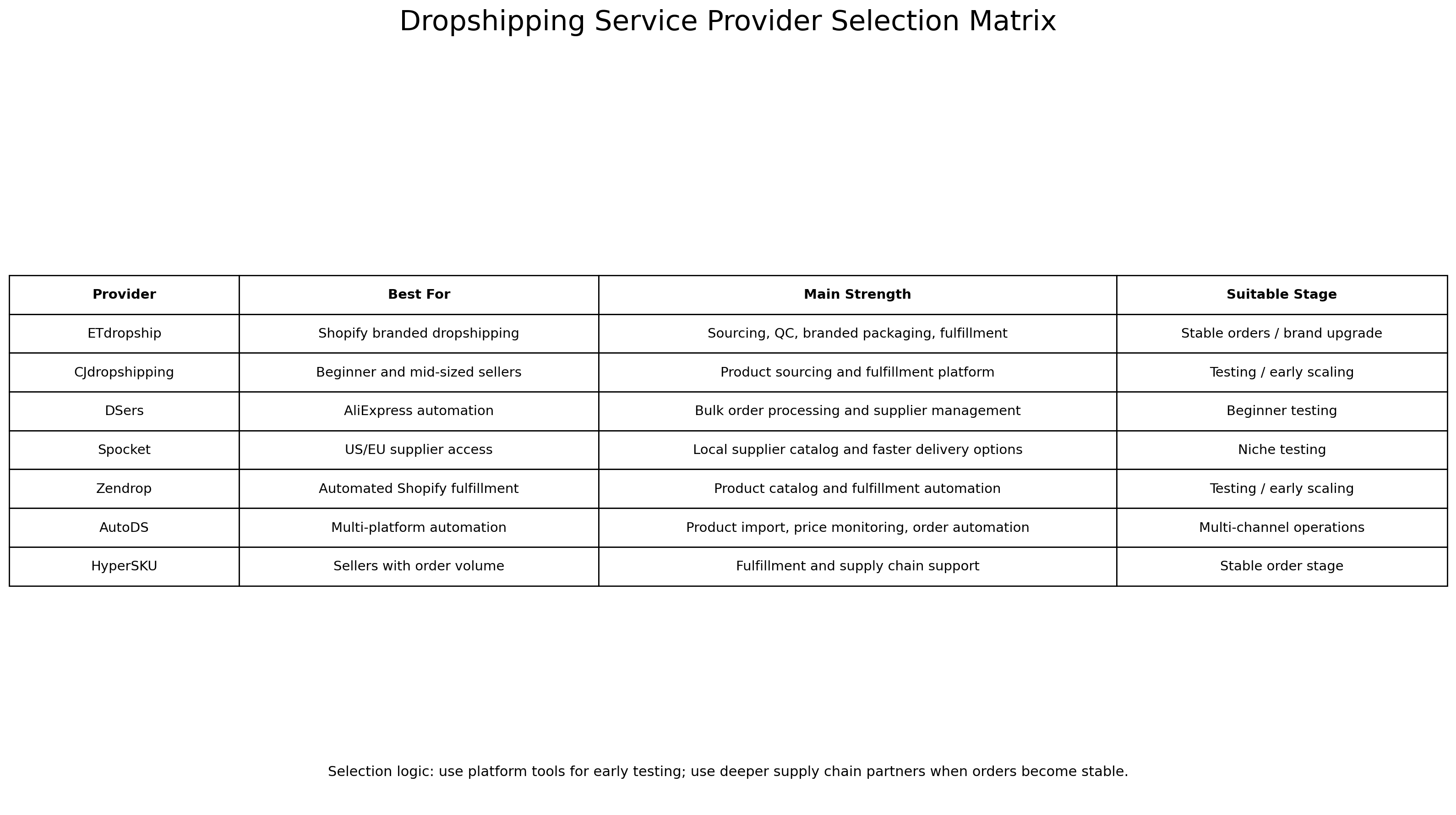
When choosing a dropshipping service provider, sellers should not only look at product quantity or low prices. More professional evaluation standards include whether the provider supports product sourcing, quality inspection, branded packaging, order automation, tracking number sync, stable logistics channels, after-sales issue handling, and whether it fits the seller’s current business stage.
For beginners, platform-based tools are useful for quick product testing. For Shopify sellers with stable orders, it is better to choose a service provider that can support sourcing, procurement, quality inspection, packaging, and fulfillment.
ETdropship: Suitable for Shopify Sellers Building Branded Dropshipping Businesses
ETdropship is more suitable for sellers who are serious about running a Shopify independent store and want to upgrade from standard dropshipping to branded dropshipping. Its advantage is not just shipping. It can support Shopify sellers with product sourcing, procurement quotations, quality inspection, branded packaging, warehouse management, order fulfillment, global shipping, and tracking number synchronization.
For many independent store sellers, the early-stage challenge is not simply finding a product link. What they really need is a supply chain team that communicates reliably, handles order exceptions quickly, helps optimize procurement costs, and improves packaging experience.
When a product has already started selling consistently, sellers often need thank-you cards, branded stickers, custom packaging bags, instruction manuals, product labels, small-batch stocking, and even white-label or OEM/ODM customization. At this stage, a provider like ETdropship can be more valuable than a basic platform tool.
If the seller’s goal is to build a long-term Shopify brand rather than test one or two short-term winning products, ETdropship is more suitable as a backend supply chain partner.
CJdropshipping: Suitable for Beginners and Small to Mid-Sized Sellers
CJdropshipping is a commonly used one-stop dropshipping platform, suitable for beginners and small to mid-sized sellers who want to test products, source items, and fulfill orders. Its services cover sourcing agents, manufacturer resources, cross-border procurement, product listing, order fulfillment, global warehouses, and quality inspection.
CJdropshipping’s advantage is that it offers many product resources and has a relatively low entry barrier. It is suitable for early-stage testing across categories such as home goods, pet products, beauty tools, fashion accessories, and small electronic accessories. For sellers without a fixed supply chain, it can be a useful transitional option.
However, if sellers later want deeper branded packaging, long-term procurement cost optimization, exclusive product development, or more detailed after-sales communication, they may still need to evaluate whether a more customized supply chain provider is necessary.
DSers: Suitable for AliExpress Dropshipping Automation
DSers is more suitable for sellers who want to use AliExpress for early product testing. It helps sellers manage AliExpress suppliers, optimize product sourcing, place bulk orders, sync order status, and update tracking information.
Its main advantage is automation. It helps beginners import products quickly, test order workflows, and manage multiple suppliers. For sellers who are just starting dropshipping with a limited budget, DSers is a common option.
However, DSers is essentially a tool. It can improve AliExpress order processing efficiency, but product quality, shipping time, packaging experience, and after-sales stability still depend on the specific suppliers. Sellers should not rely only on automation. They still need to screen suppliers, test samples, and calculate real costs.
Spocket: Suitable for Sellers Looking for US and EU Suppliers
Spocket focuses more on US and European supplier resources. It helps sellers find products from US/EU suppliers and supports product imports, order management, automated fulfillment, and order tracking.
If the seller’s main target markets are the United States or Europe, and the goal is to shorten delivery time, Spocket can be considered. It is suitable for categories such as home goods, fashion accessories, beauty products, pet products, and gifts.
However, products from US and European suppliers are usually more expensive than products sourced through Chinese supply chains. Sellers need to recalculate their profit model. Faster delivery does not automatically mean better profit if product cost and advertising cost become too high.
Zendrop: Suitable for Sellers Seeking Automated Fulfillment and Fast Testing
Zendrop is an automation platform for dropshipping sellers. It provides automated fulfillment, large product catalogs, faster shipping options, and product discovery features.
Zendrop is suitable for sellers who want to build a store quickly, test products, and reduce manual order processing. For beginners starting Shopify dropshipping without their own supply chain team, it can simplify early operations.
However, like most platform-based tools, sellers still need to pay attention to product quality, shipping time, real costs, and after-sales policies. Automated fulfillment improves efficiency, but it does not replace supply chain management.
AutoDS: Suitable for Multi-Platform and Multi-Supplier Automation
AutoDS is more of a dropshipping automation tool. It is suitable for sellers operating across Shopify, eBay, Amazon, and other channels who want to manage product imports, price monitoring, inventory updates, and order processing through automation.
Tools like AutoDS solve operational efficiency problems, but they do not automatically solve supply chain quality problems. Product quality, logistics experience, and customer service still determine refund rates and repeat purchases. Therefore, AutoDS is more suitable for sellers who need multi-platform management rather than those who want deep branded supply chain development.
HyperSKU: Suitable for Sellers with Existing Order Volume
HyperSKU is more focused on fulfillment and supply chain support. It is suitable for independent store sellers who already have some order volume and want to improve processing efficiency and logistics stability.
Unlike simple product import tools, HyperSKU is more suitable for sellers who have already validated products and need stronger backend fulfillment. If sellers want detailed branded packaging, product customization, and supply chain communication, they should still confirm the scope of support based on their specific needs. For Shopify sellers entering a stable order stage, HyperSKU can be considered as a comparison option.
How to Choose a Dropshipping Provider at Different Business Stages
Beginner Testing Stage
If a seller is just starting dropshipping and does not yet have stable orders, the focus should be on testing products quickly and learning the process. At this stage, DSers, CJdropshipping, Zendrop, or AutoDS may be useful. They help sellers list products, manage orders, and test different categories.
However, beginners should not blindly upload too many products. A better approach is to test 10 to 30 products around one niche market and focus on click-through rate, add-to-cart rate, checkout rate, advertising cost, and refund rate.
Stable Order Stage
If a Shopify store already has stable orders, the seller should not remain dependent only on public product platforms. At this stage, the focus should shift to procurement cost optimization, logistics speed, packaging experience, and after-sales handling.
ETdropship, HyperSKU, or CJdropshipping can be considered at this stage. Sellers who want branded packaging, custom packaging bags, thank-you cards, product labels, and small-batch inventory should choose a provider that can support deeper supply chain management.
Brand Upgrade Stage
When a product has consistent sales and long-term potential, the seller should consider upgrading from standard dropshipping to branded dropshipping. At this stage, the focus is not only shipping. Product consistency, packaging experience, repeat purchases, and brand assets become more important.
A provider like ETdropship is more suitable at this stage because it can help sellers build a complete process from product sourcing, procurement, quality inspection, packaging, warehousing, and global shipping. For Shopify independent stores, branded packaging and stable fulfillment are key steps in upgrading from a standard dropshipping store to a real brand.
Real Cases: Successful Dropshipping Is About Positioning, Not Copying
Case One: Subtle Asian Treats
In a Shopify case study, Tze Hing Chan co-founded Subtle Asian Treats, selling bubble tea-themed plush toys and curated cute products. The business generated approximately **$19,000 in profit within two months**. The key was not simply “plush toys.” The product connected with bubble tea culture, Asian community identity, and gift-buying scenarios.
This type of product carries emotional value and social sharing potential, which makes it easier to convert through social media content. The case shows that dropshipping product selection should not only focus on product function. Sellers should also consider whether a product connects with a specific audience, cultural context, and buying emotion.
Case Two: From General Testing to Focused Product Positioning
Many successful dropshipping sellers did not find the perfect product at the beginning. Instead, they started by testing different products through a general store, then selected the best-performing products and optimized their product pages, creatives, and supply chains.
This logic remains relevant in 2026. Early-stage sellers should not rely too much on personal judgment. They should use real data to validate demand. Professional dropshipping is not about copying winning products. It is about identifying a clear audience, a clear use case, and a clear purchase reason.
How to Start a Dropshipping Business from Zero in 2026
Step One: Choose a Niche Market
Beginners should not start by asking, “What product is trending right now?” Once a winning product becomes widely known, it quickly enters price competition. A more professional approach is to first choose a market with a clear audience and use case.
For example, pet products can be divided into pet travel, pet cleaning, cat toys, small-dog products, and pet holiday gifts. Home products can be divided into kitchen storage, bathroom cleaning, pet household cleaning, car storage, and renter-friendly home products.
The clearer the niche, the easier it becomes to build product combinations, store pages, ad creatives, and customer communication. A general store that sells everything struggles to build trust. A store focused on solving a specific problem is more likely to appear professional.
Step Two: Build Product Selection Standards
Products suitable for dropshipping testing usually share several characteristics: manageable size and weight, low breakage risk, clear usage scenarios, easy visual demonstration through images or short videos, sufficient price range to cover advertising costs, and potential for branded packaging or product customization later.
Sellers should be cautious with liquids, food products, child-safety products, medical-claim products, battery products, and fragile items. These products may involve more complex shipping, certification, compliance, and after-sales risks.
Step Three: Calculate the Real Cost
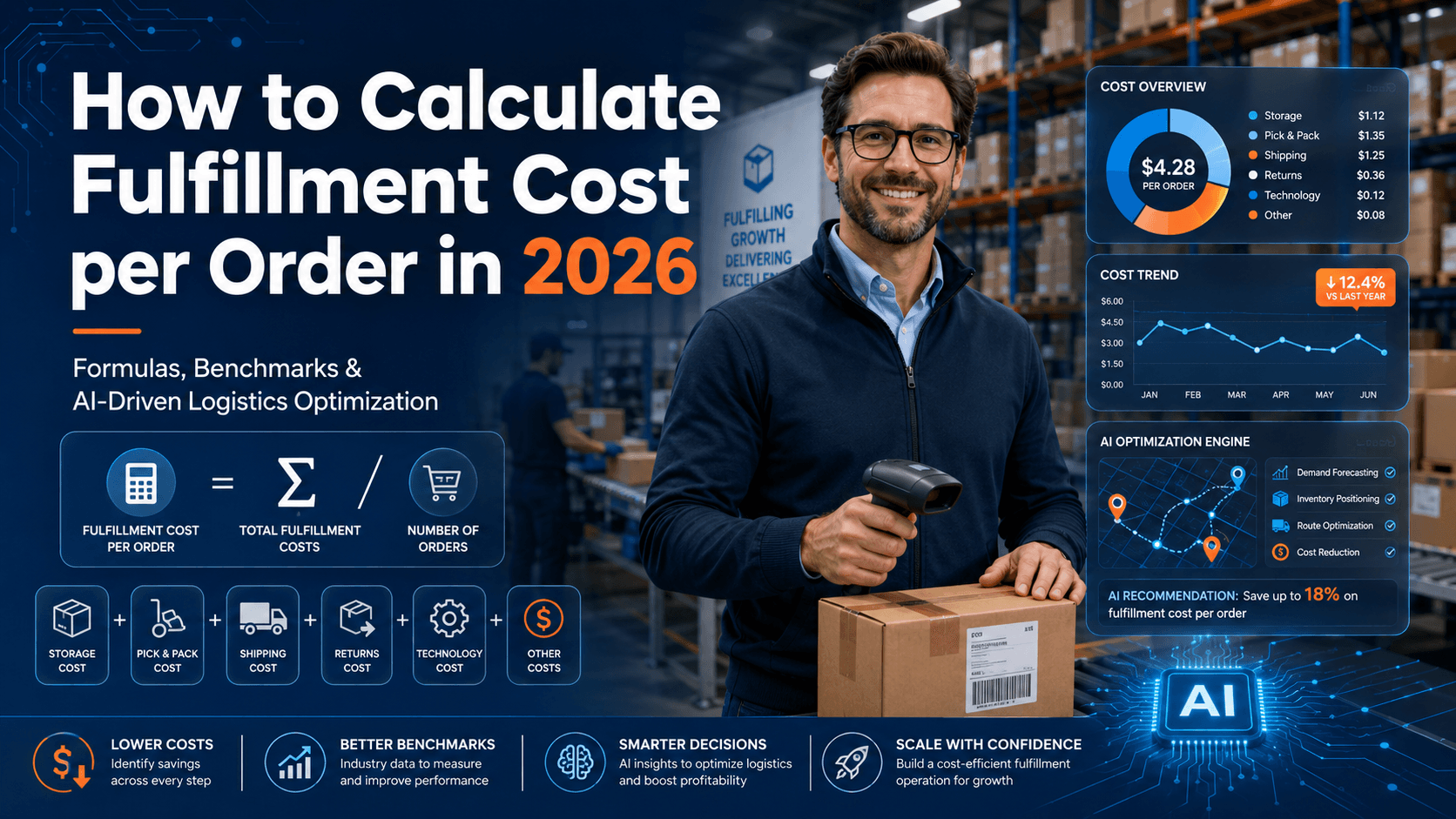
Dropshipping product selection should not be based only on procurement price. Real cost should include product cost, international shipping, packaging cost, platform fees, payment processing fees, advertising cost, refund and reshipment allowance, and after-sales communication cost.
For example, if a product sells for **$39.99**, with a product cost of **$6**, international shipping of **$7**, packaging and handling cost of **$1**, payment processing fee of **$1.50**, and customer acquisition cost of **$10 to $12**, there may still be reasonable profit if after-sales risk is controlled.
But if a product sells for only **$14.99**, while logistics and advertising already cost close to **$10**, the seller may end up “getting orders but not making profit.”
Step Four: Confirm Supply Chain Capability
When contacting suppliers or dropshipping service providers, sellers should not only ask for the product price. More professional questions include:
How much does it cost to ship to the United States, the United Kingdom, Germany, and France?
Is the processing time 24 hours, 48 hours, or 3 to 7 days?
Does the logistics channel provide stable tracking numbers?
Can the provider support branded stickers, thank-you cards, instruction manuals, and custom packaging?
How are wrong shipments, damaged items, and lost packages handled?
How are inventory changes communicated?
Can orders sync automatically?
Can tracking numbers be sent back to the store?
This step determines whether backend fulfillment is stable. Many sellers do not fail because they cannot generate orders. They fail because after the order is placed, costs are miscalculated, shipping is slow, tracking does not update, and profits are consumed by refunds and complaints.
Step Five: Build the Sales Channel
For most beginner cross-border sellers, Shopify is a suitable starting point. Sellers should not upload hundreds of products at the beginning. A better approach is to focus on one niche market and list 10 to 30 products, with 3 to 5 main products receiving the most attention.
Product pages should clearly explain what problem the product solves, what scenarios it is suitable for, material and size details, delivery time, return policy, FAQs, and trust-building information. A product page should not simply copy supplier descriptions, because that makes conversion difficult.
Step Six: Test the Full Fulfillment Process
Before running ads, sellers should place a test order themselves and check the full process. This includes whether the order syncs correctly, whether the SKU is accurate, whether the address format works, whether the supplier processes the order on time, whether the tracking number is returned, and whether logistics updates normally.
If using a provider such as ETdropship, sellers can confirm in advance whether the Shopify store can connect to the system, whether orders can sync automatically, whether tracking numbers can be automatically sent back, how exception orders are handled, how out-of-stock situations are communicated, and how lost or damaged packages are reshipped.
Step Seven: Test Ads and Content with a Small Budget
In 2026, frontend competition in dropshipping is heavily creative-driven. The same product may perform very differently depending on the video angle.
For example, a cleaning tool can be tested through kitchen grease, bathroom scale, pet hair, and car interior cleaning scenarios. Sellers should evaluate whether a product is worth continuing based on click-through rate, add-to-cart rate, checkout rate, purchase cost, and refund rate.
It is not recommended to spend aggressively at the beginning. A safer approach is to test multiple creative angles with a small budget, identify the best-performing selling point, and then gradually scale the budget.
Step Eight: Upgrade to Branding After Stable Sales
Once a product starts selling consistently, sellers should not remain at the standard dropshipping stage. At this point, they can begin optimizing procurement price, improving quality inspection standards, adding branded thank-you cards, using custom packaging bags, and adding product labels or instruction manuals.
If order volume continues to grow, sellers can move into small-batch stocking, custom boxes, product logo customization, white-label products, or OEM/ODM development. Branding is not just about making packaging look better. It improves customer trust, reduces direct price comparison, and increases repeat purchases and average order value.
ETdropship’s Role in the Dropshipping Supply Chain
For Shopify independent store sellers, the main challenge of dropshipping is often not building the store, but managing the backend supply chain. Whether products can be sourced consistently, whether quality checks happen before shipping, whether packaging weight is accurate, whether tracking updates are timely, and whether someone handles order exceptions all affect final profitability.
ETdropship is more suitable for sellers who are serious about running Shopify independent stores and want to upgrade from standard dropshipping to branded dropshipping. It can help sellers handle product sourcing, procurement quotations, quality inspection, branded packaging, warehouse management, order fulfillment, global shipping, and tracking number synchronization.
For sellers, the core value of this type of service is not simply shipping orders. It helps turn a fragmented and hard-to-control backend supply chain into a more stable, repeatable, and upgradeable fulfillment system. When a product reaches the stable order stage, sellers no longer need only cheap sourcing. They need stable pricing, clear processing times, reliable quality checks, professional packaging, and faster response to order exceptions.
Conclusion: Dropshipping in 2026 Is a Professional Light-Inventory Ecommerce Model
Dropshipping in 2026 should no longer be packaged as a “zero-cost startup” or a “quick money” model. A more accurate understanding is that it is a low-inventory, fast-testing, supply-chain-driven ecommerce business model.
Its strengths are reducing inventory risk, improving product testing speed, and helping sellers enter cross-border markets more flexibly. Its challenges are also clear: product similarity, advertising costs, logistics speed, after-sales handling, and platform rules all directly affect profit.
A sustainable dropshipping path is to first validate product demand through dropshipping, then improve fulfillment stability through supply chain optimization, and finally move into branded packaging, small-batch inventory, white-label products, and customized development.
For Shopify sellers, a more sustainable model is to use content, advertising, and store conversion to acquire customers on the frontend, while using a service provider such as ETdropship on the backend for sourcing, procurement, quality inspection, packaging, shipping, and after-sales support.
In short, the key competition in dropshipping has shifted. It is no longer about who can find the cheapest product. It is about who can validate the market faster, fulfill orders more reliably, and build brand trust more professionally.
FAQ:
What is dropshipping?
Dropshipping is a light-inventory ecommerce model. Sellers do not need to purchase large amounts of inventory in advance. After a customer places an order, a supplier, sourcing agent, or dropshipping service provider handles product procurement, packaging, and shipping. The seller mainly handles product selection, store operations, advertising, customer communication, and after-sales management.
Is dropshipping still worth doing in 2026?
Yes, dropshipping is still worth doing, but it has become more professional. In 2026, sellers cannot rely only on low-cost products and simple advertising. They need to focus on product quality, shipping speed, customer experience, branded packaging, and supply chain stability. A better long-term model is to test products through dropshipping first, then gradually upgrade into branded packaging, small-batch inventory, and customized products.
What is the best sales platform for beginners?
For independent stores, Shopify remains one of the best platforms for beginners and brand sellers. It allows sellers to control store pages, brand visuals, customer data, and marketing processes. Sellers who are stronger in content and SEO may consider WooCommerce. If the product is suitable for short-form video demonstration, TikTok Shop can also be tested.
What type of dropshipping service provider should beginners choose?
Beginners can use platforms or tools such as DSers, CJdropshipping, Zendrop, or AutoDS to test products and learn the order process. Sellers with stable orders who want branded packaging, quality inspection, and more reliable global fulfillment can consider a supply chain service provider such as ETdropship.
What type of sellers is ETdropship suitable for?
ETdropship is more suitable for Shopify independent store sellers, especially those who want to upgrade from standard dropshipping to branded dropshipping. It can help sellers with product sourcing, procurement quotations, quality inspection, branded packaging, warehouse management, order fulfillment, global shipping, and tracking number synchronization.
What is the difference between dropshipping and traditional ecommerce?
Traditional ecommerce usually requires sellers to purchase inventory before selling products. Dropshipping allows sellers to test the market first and fulfill orders through suppliers or service providers after customers place orders. Traditional ecommerce offers stronger control but requires more upfront capital. Dropshipping is more flexible, carries lower inventory risk, and is more suitable for beginners testing the market.
Do dropshipping sellers need to hold inventory in advance?
Usually not at the early stage. Sellers can use dropshipping to test product demand first. Once a product sells consistently, they can consider small-batch stocking, custom packaging, product labeling, or white-label customization. This reduces early inventory risk while gradually improving fulfillment efficiency and brand experience.
Why do many dropshipping sellers lose money?
Common reasons include looking only at procurement cost instead of real total cost, selling products at prices too low to cover advertising expenses, working with slow suppliers, unstable product quality, weak customer trust, and poor after-sales handling. Professional sellers calculate product cost, shipping cost, advertising cost, after-sales allowance, and profit margin before testing a product.
Can dropshipping be branded?
Yes. Many branded independent stores start by testing products through dropshipping, then gradually upgrade packaging and supply chain. Sellers can begin with thank-you cards, branded stickers, and custom packaging bags, then move into product labels, manuals, boxes, white-label products, and OEM/ODM customization.
How should sellers choose a dropshipping service provider?
Sellers should not choose a provider based only on price. More important factors include product sourcing capability, quality inspection, stable logistics, tracking number synchronization, branded packaging, after-sales issue handling, and long-term communication. Platform-based tools are suitable for beginner testing, while sellers with stable orders should choose providers that can offer complete supply chain support.