Is CJ Dropshipping Legit or a Scam in 2026?
For many new dropshipping sellers, CJ Dropshipping is one of the first fulfillment platforms they come across. It appears frequently in Shopify, TikTok, and cross-border ecommerce discussions. At the same time, one question keeps showing up again and again:
**Is CJ Dropshipping legit, or is it a scam?**
The honest answer is: **CJ Dropshipping is not a scam.**
However, the reason this question keeps being discussed is not difficult to understand. Dropshipping has a low barrier to entry, fast cash flow feedback, and many invisible supply chain processes behind the scenes. When beginners see orders coming in quickly, they may feel the model is almost too easy. But when delays, inconsistent shipping, or customer complaints appear later, they may suddenly feel something is wrong.
In reality, both reactions usually come from the same issue: sellers do not fully understand how the dropshipping supply chain works.
Dropshipping itself is not a new internet trick. It is a long-existing commercial structure used in ecommerce. In traditional retail, businesses usually handle procurement, warehousing, and selling. Dropshipping simply removes the need for sellers to hold inventory themselves and relies on third-party fulfillment partners to process and ship orders.
That means you are still selling real physical products. The difference is that you are not stocking them in advance.
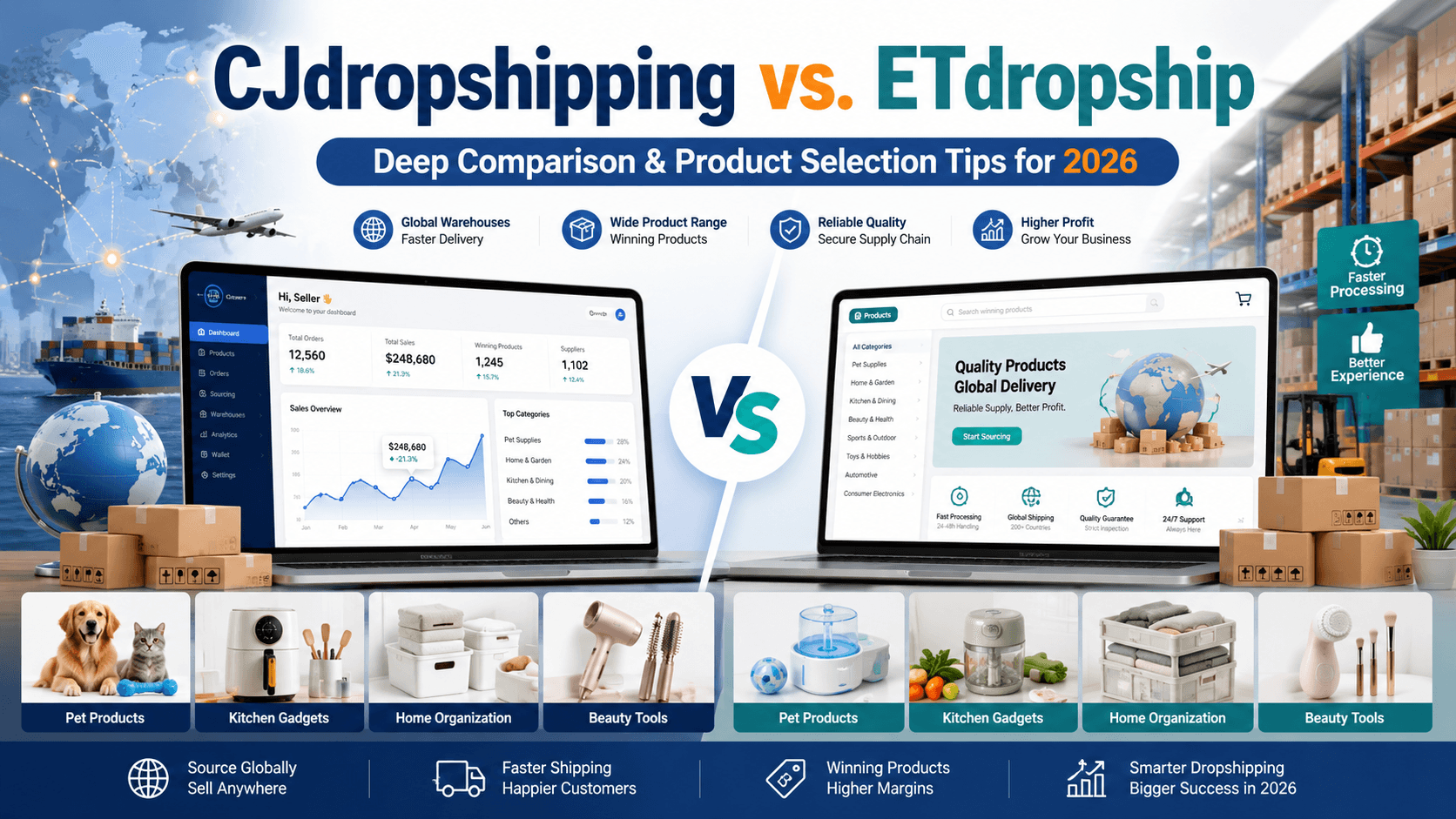
Platforms like CJ Dropshipping mainly act as fulfillment and supply chain integration services. They connect suppliers, process orders, arrange shipping, and provide sellers with a system to manage fulfillment. These are real parts of the ecommerce supply chain, not virtual transactions or fake products.
Why Do Some People Think CJ Dropshipping Feels Like a Scam?
The negative impression usually does not come from fraud. It usually comes from operational gaps that become more obvious as sellers scale.
1. Low Barrier to Entry Creates Unrealistic Expectations
Dropshipping is easy to start. A seller can build a Shopify store, choose a product, connect a fulfillment platform, launch TikTok ads, and start receiving orders in a short period of time.
This fast feedback loop can create a misleading feeling:
“If making money is this easy, something must be wrong.”
But low barrier does not mean the business is fake. It only means entry is easy. Stable profitability is a completely different challenge.
Many beginners confuse “easy to start” with “easy to sustain.” That is where the misunderstanding begins.
2. The Supply Chain Is Not Fully Visible
CJ Dropshipping is not the same as buying directly from a local retailer. It works as a cross-border fulfillment system, which means many steps happen behind the interface.
For example, sellers may not clearly see:
* where the product is manufactured
* which warehouse handles the order
* which logistics route is used
* why one order ships faster than another
This lack of visibility can create anxiety. Some sellers may think:
“I cannot see the full process, so it must be unsafe.”
But in cross-border ecommerce, this kind of abstraction is normal. Even when customers buy from major marketplaces, they usually do not see the full supply chain behind the order. They only see the simplified front-end experience.
3. Scaling Exposes Fulfillment Inconsistency
At small order volume, CJ Dropshipping can feel very smooth. Orders are created, tracking numbers are generated, and fulfillment looks simple.
But once a seller starts scaling through TikTok ads or other paid traffic channels, the situation changes.
The same product may be fulfilled through different suppliers, warehouses, or logistics routes. As a result, some orders may move quickly, while others may experience delays. Some customers receive smooth delivery updates, while others may start asking questions about shipping.
At this stage, many sellers mistake fulfillment fluctuation for platform unreliability. But the real issue is often not whether CJ can fulfill orders. The issue is whether the fulfillment path remains consistent under higher order volume.
CJ Dropshipping Is More Like a Fulfillment Middle Layer
To understand CJ properly, sellers should not view it as a magical selling platform. It is better to see it as a fulfillment middle layer.
CJ does not create your brand, run your ads, optimize your product page, or guarantee your profit. Its role is mainly to help you connect products and suppliers with order fulfillment.
Its value is that it can help sellers launch faster. But its limitation is that fulfillment consistency may become harder to control when order volume grows.
This is why some sellers say CJ works well, while others say it is unstable. They may both be right, but they are speaking from different stages of business.
Why CJ Reviews Are So Polarized
The most important reason CJ Dropshipping receives mixed reviews is simple:
**Different sellers are using the same platform at different stages.**
At the beginning, CJ often feels like a convenient tool. A seller can test products, fulfill early orders, and run a lightweight Shopify operation without holding inventory.
But when the business begins to scale, the seller no longer needs only a tool. They need a stable operating system.
This is where the difference appears.
At small scale, CJ may feel fast, flexible, and easy to use. At scaling stage, sellers begin to notice more serious issues, such as inconsistent shipping speed, order delays, product quality variation, and unstable customer experience.
The platform has not necessarily changed. The seller’s operational pressure has changed.
What Happens When Sellers Start Scaling?
Most dropshipping sellers go through a similar journey.
At the beginning, they focus on getting their first few sales. The workflow is simple: build a store, find a product, launch ads, receive orders, and let CJ handle fulfillment.
At this early stage, everything feels light and manageable.
However, when daily orders become more stable, such as 10, 20, or more orders per day, the business starts to show another side. Fulfillment speed becomes more important. Tracking updates become more important. Customer service becomes more demanding. Advertising performance also becomes more sensitive to customer experience.
This is where sellers often misdiagnose the problem.
They may think their ads are failing, their product is saturated, or their creatives are no longer working. Sometimes that is true. But in many cases, backend fulfillment inconsistency is also affecting the front-end performance.
If customers complain more, refund rates increase, or delivery experience becomes inconsistent, advertising platforms may also produce less stable results. In ecommerce, fulfillment is not separate from marketing. It directly affects customer trust, conversion stability, and long-term profitability.
CJ vs AliExpress vs Spocket vs Structured Fulfillment Systems
Different dropshipping platforms usually fit different stages.
AliExpress: Good for Testing, Weak for Stability
AliExpress is often used by beginners because it has a huge product selection and low product costs. It is useful for testing product ideas quickly.
But it is not ideal for stable growth. Shipping time can be inconsistent, suppliers are fragmented, and customer experience may vary widely.
AliExpress is better for product validation than long-term business operation.
CJ Dropshipping: Useful for Launching and Early Scaling
CJ is more organized than AliExpress. It offers better order management, Shopify integration, and a more centralized fulfillment workflow.
For sellers who are moving from product testing to early order volume, CJ can be useful.
However, it still has limitations. When order volume grows, multiple suppliers, warehouses, and logistics routes may create inconsistent fulfillment experiences.
So CJ is often better as a launch and early-scaling tool, not necessarily a long-term stable fulfillment system for every seller.
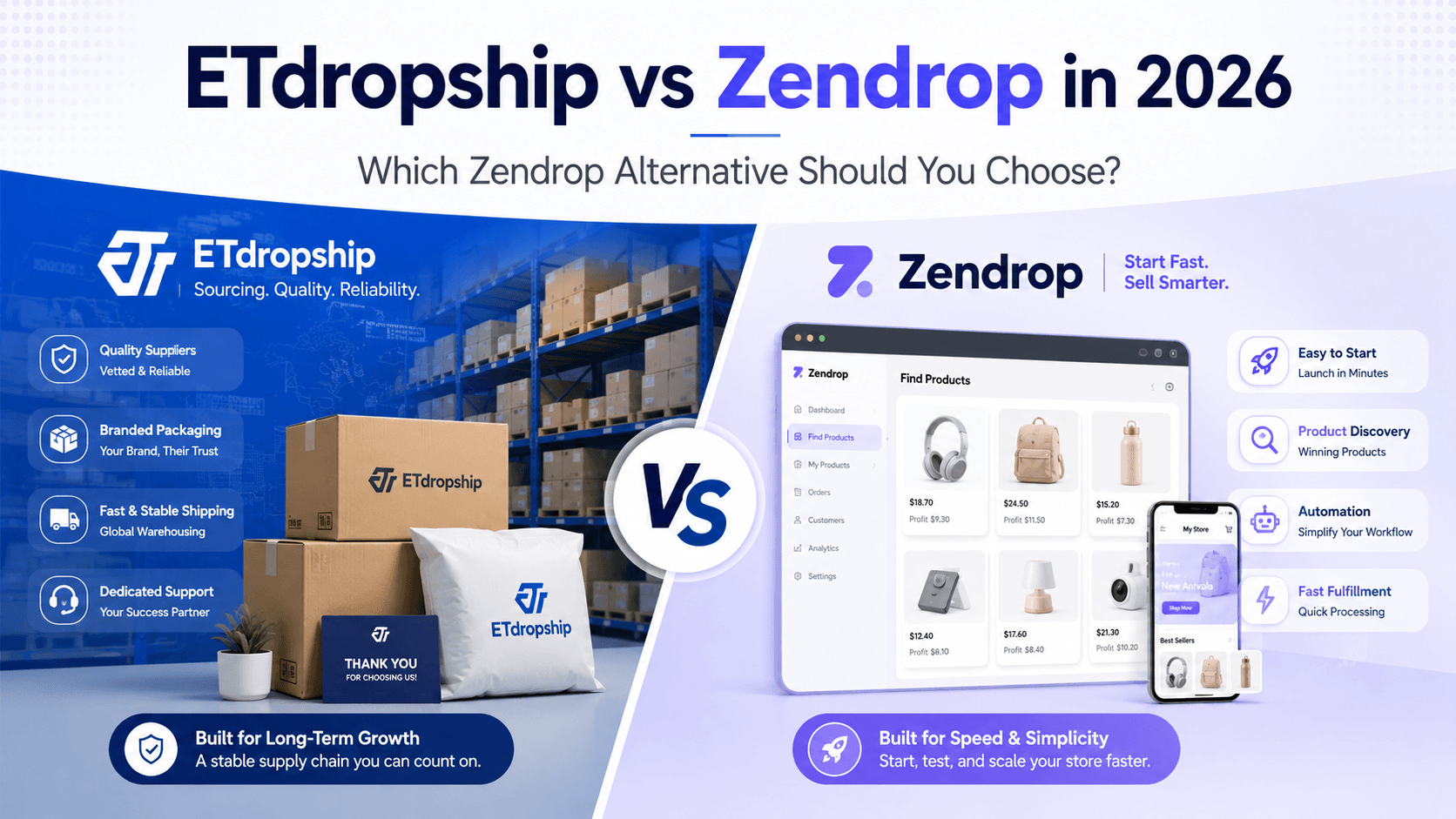
Spocket: More Stable, But Usually More Expensive
Spocket focuses more on local suppliers and faster delivery options. This can create a more consistent customer experience.
But the trade-off is cost. Product prices and fulfillment costs may be higher, which can reduce profit margins.
That makes Spocket more suitable for sellers who already know what they want to sell and are willing to pay more for stability.
ETdropship: A More Structured Option After Scaling
When sellers move beyond the testing stage and begin facing fulfillment inconsistency, they often start looking for more structured fulfillment solutions.
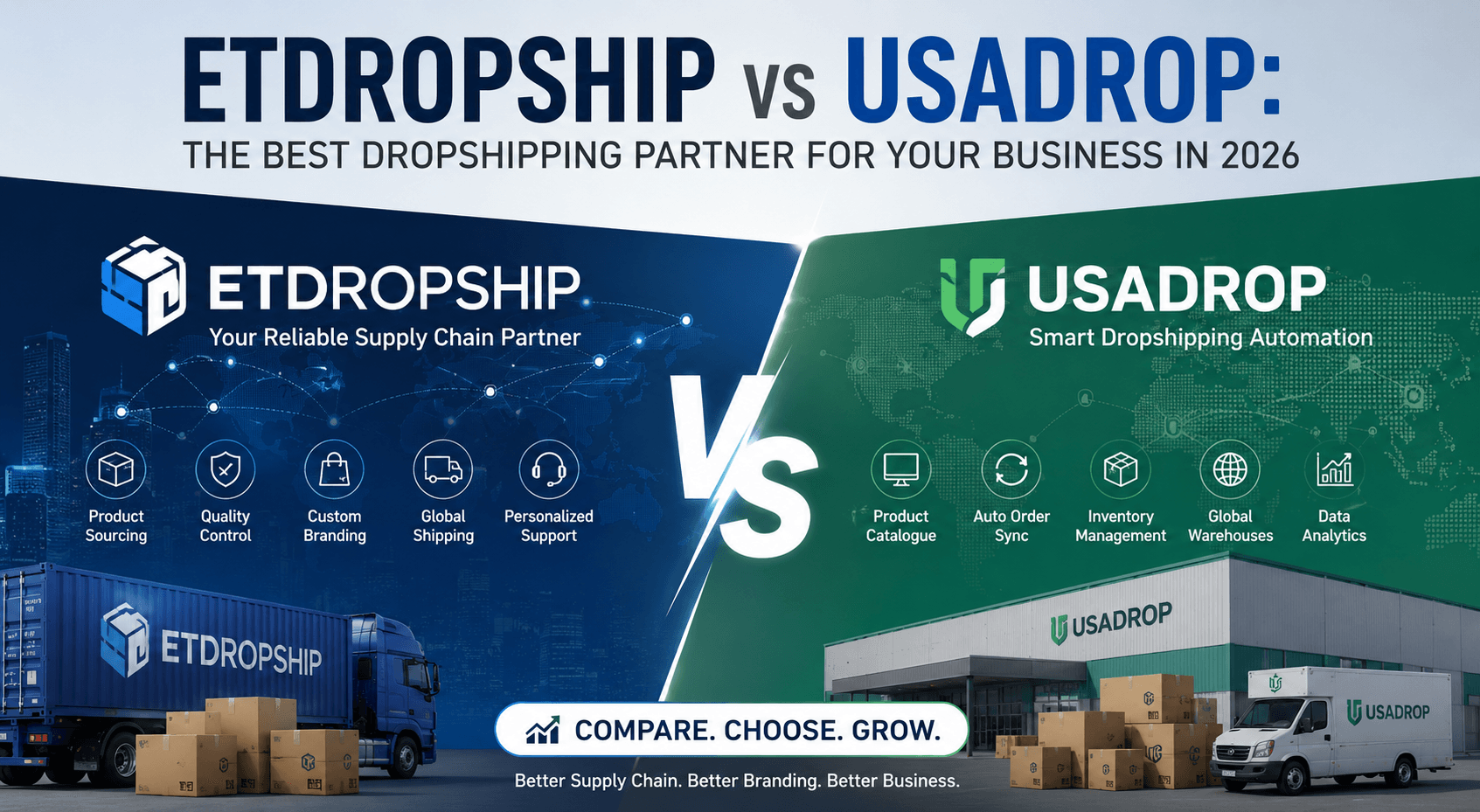
This is where services like **ETdropship** become relevant. The core value is not simply finding cheaper products. The more important value is helping sellers reduce uncertainty in the fulfillment process.
For growing Shopify and WooCommerce sellers, a more structured fulfillment partner can help with sourcing, order processing, shipping consistency, tracking updates, and branded fulfillment needs.
At this stage, sellers are usually no longer asking, “Can I get orders?”
They are asking, “Can my fulfillment system support stable growth?”
That is a very different question.
So, Is CJ Dropshipping Legit?
Yes, CJ Dropshipping is legitimate.
But sellers should understand what CJ can and cannot do.
CJ can help sellers start faster. It can support product testing and early-stage fulfillment. It can also make the Shopify dropshipping workflow more convenient compared with fully manual supplier management.
But CJ does not guarantee stable scaling. It does not remove all supply chain uncertainty. It does not automatically solve customer experience problems, advertising volatility, or long-term brand consistency.
The real question is not simply whether CJ is good or bad.
The better question is:
**Is CJ still suitable for your current business stage?**
If you are testing products, CJ may be enough.
If you are getting early orders, CJ may be useful.
If you are scaling and need consistency, you may need a more structured fulfillment solution.
Final Thoughts
CJ Dropshipping is not a scam. It is a real fulfillment platform used by many ecommerce sellers. The reason people have such different opinions about it is that dropshipping businesses face different problems at different stages.
At the beginning, the main challenge is starting.
In the middle stage, the challenge is scaling.
At the later stage, the challenge is staying stable.
CJ can help with the first two stages, but its limitations become more visible when sellers need consistent fulfillment, predictable shipping, and stable customer experience.
For serious sellers, the goal should not be to blindly defend or reject any platform. The goal should be to match the fulfillment system with the business stage.
AliExpress may help with testing.
CJ may help with early fulfillment.
Spocket may help with faster local delivery.
Structured fulfillment partners like ETdropship may help sellers move toward more stable post-scaling operations.
In the end, successful dropshipping is not only about finding winning products or running good ads. It is about building a fulfillment system that can support growth without damaging customer trust.
FAQ:
1. Is CJ Dropshipping a scam?
No. CJ Dropshipping is not a scam. It is a legitimate fulfillment and supply chain service for ecommerce sellers. However, some sellers may have negative experiences due to shipping delays, fulfillment inconsistency, or poor expectations about how dropshipping works.
2. Why do some people say CJ Dropshipping is unreliable?
Many negative reviews come from sellers who are scaling their stores. At low order volume, CJ may feel smooth. But when orders increase, differences in suppliers, warehouses, and logistics routes can create inconsistent shipping times and customer experiences.
3. What is the best alternative after scaling beyond CJ?
There is no single best option for every seller. Some may choose Spocket for faster local fulfillment. Others may work with private agents or structured fulfillment partners such as ETdropship to improve sourcing, packaging, shipping consistency, and order management. The right choice depends on the seller’s stage, product type, target market, and margin structure.