How Do You Know When It’s Time to Move Beyond AliExpress?
AliExpress is one of the best places to start a dropshipping business because it allows you to test products with minimal risk. However, once you begin generating consistent sales, relying solely on marketplace suppliers can limit your growth. Longer shipping times, inconsistent branding, fluctuating pricing, and limited customization eventually become obstacles. The right time to move beyond AliExpress is when you’ve proven product demand and are ready to improve margins, customer experience, and operational efficiency.
Every Successful Dropshipper Starts Somewhere
Ask almost any experienced ecommerce entrepreneur how they launched their first store, and you’ll hear a familiar answer.
AliExpress.
It remains one of the easiest ways to begin dropshipping because there’s virtually no barrier to entry. You can import products quickly, avoid buying inventory upfront, and test dozens of ideas without committing significant capital.
For beginners, that’s exactly what you want.
Your goal isn’t to build a perfect supply chain.
Your goal is to discover whether customers actually want what you’re selling.
Too many new merchants spend weeks searching for premium suppliers before they’ve sold a single product. In reality, supplier optimization comes later. Product validation comes first.
Validate the Product Before You Upgrade the Supply Chain
One of the most expensive mistakes merchants make is investing in custom packaging, branding, or premium fulfillment before knowing whether a product has long-term potential.
Scaling should always follow validation.
Many Shopify merchants use tools like Sell The Trend to identify products showing sustained market demand before investing in sourcing improvements. Instead of making operational upgrades for every product they test, they focus their resources on products that consistently demonstrate strong buyer interest.
That simple shift changes everything.
Rather than upgrading your entire catalog, you improve the products that have already earned it.
It’s a far more efficient use of both time and money.
The Biggest Mistake Merchants Make
Success creates a different set of problems.
A product starts selling consistently.
Orders increase every day.
Customers begin leaving positive reviews.
Everything looks great until operational issues begin appearing.
Shipping takes longer than expected.
Packaging looks generic.
Product costs fluctuate.
Communicating with multiple suppliers becomes increasingly difficult.
None of these problems are unusual. They’re signs that your business is entering a new stage.
The same supplier that helped you validate demand isn’t always the supplier best equipped to help you scale.
The Signs You’ve Outgrown AliExpress
There’s no specific sales number that tells you it’s time to move on.
Instead, look for patterns.
If you’re experiencing several of these situations consistently, your business may be ready for a more advanced fulfillment solution.
You’re processing orders every day rather than occasionally.
Customers are asking about shipping times.
You want branded packaging instead of generic parcels.
You need more consistent product quality.
You’re spending too much time communicating with different suppliers.
You’re looking for better pricing as order volume increases.
None of these problems indicate that AliExpress has failed.
They simply indicate that your business has grown.
Every stage of ecommerce requires different systems.
Better Fulfillment Is About More Than Faster Shipping
When merchants think about switching suppliers, they often focus on delivery speed.
That’s certainly important, but it’s only one piece of the puzzle.
Professional fulfillment partners can also help improve your overall customer experience.
Better quality control reduces defective orders.
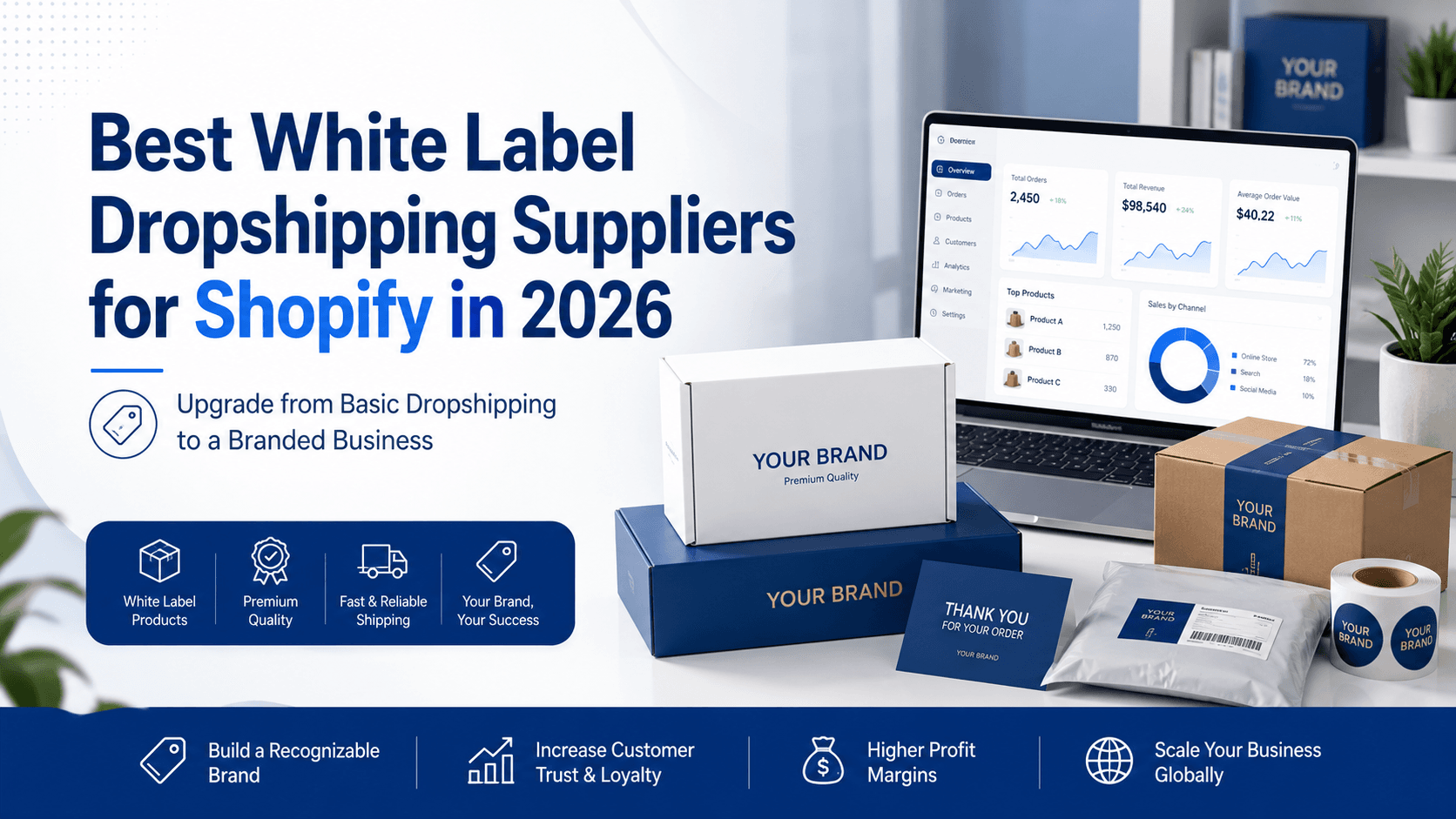
Branded packaging creates a more memorable unboxing experience.
Consolidated sourcing makes inventory easier to manage.
Dedicated account managers solve problems before they affect customers.
These improvements don’t just make operations smoother.
They help build trust with customers who are increasingly comparing your store with established ecommerce brands.
Scaling Means Thinking Beyond the First Sale
Finding a winning product is exciting.
Keeping customers happy after they’ve placed an order is what builds a sustainable business.
Fast fulfillment.
Reliable tracking.
Professional packaging.
Consistent product quality.
These details often determine whether a customer buys from you again or recommends your store to someone else.
That’s why experienced merchants don’t view fulfillment as a logistics problem.
They see it as part of their marketing strategy.
A positive delivery experience generates reviews, referrals, and repeat purchases, all of which are far less expensive than constantly acquiring new customers.
Focus Your Investment on Products Worth Scaling
Not every successful test product deserves long-term investment.
Some products experience brief spikes in popularity before disappearing.
Others continue generating steady demand month after month.
Learning the difference is one of the most valuable skills in ecommerce.
Many merchants regularly review winning product reports to identify products with lasting demand before committing to private sourcing, branded packaging, or larger fulfillment operations.
Building a business around sustainable demand is usually far more profitable than chasing every short-term trend.
Making the Transition Without Disrupting Your Business
Moving beyond AliExpress doesn’t mean changing everything overnight.
Many merchants continue testing new products through traditional suppliers while gradually transitioning their proven winners to a dedicated fulfillment partner.
This approach allows you to continue experimenting while improving the customer experience for the products generating most of your revenue.
Instead of replacing your existing workflow, you’re improving the part of your business that’s already working.
That makes growth far less risky.
Simplifying Fulfillment as You Scale
Once you’ve identified products worth investing in, the next challenge is managing sourcing, fulfillment, and logistics efficiently.
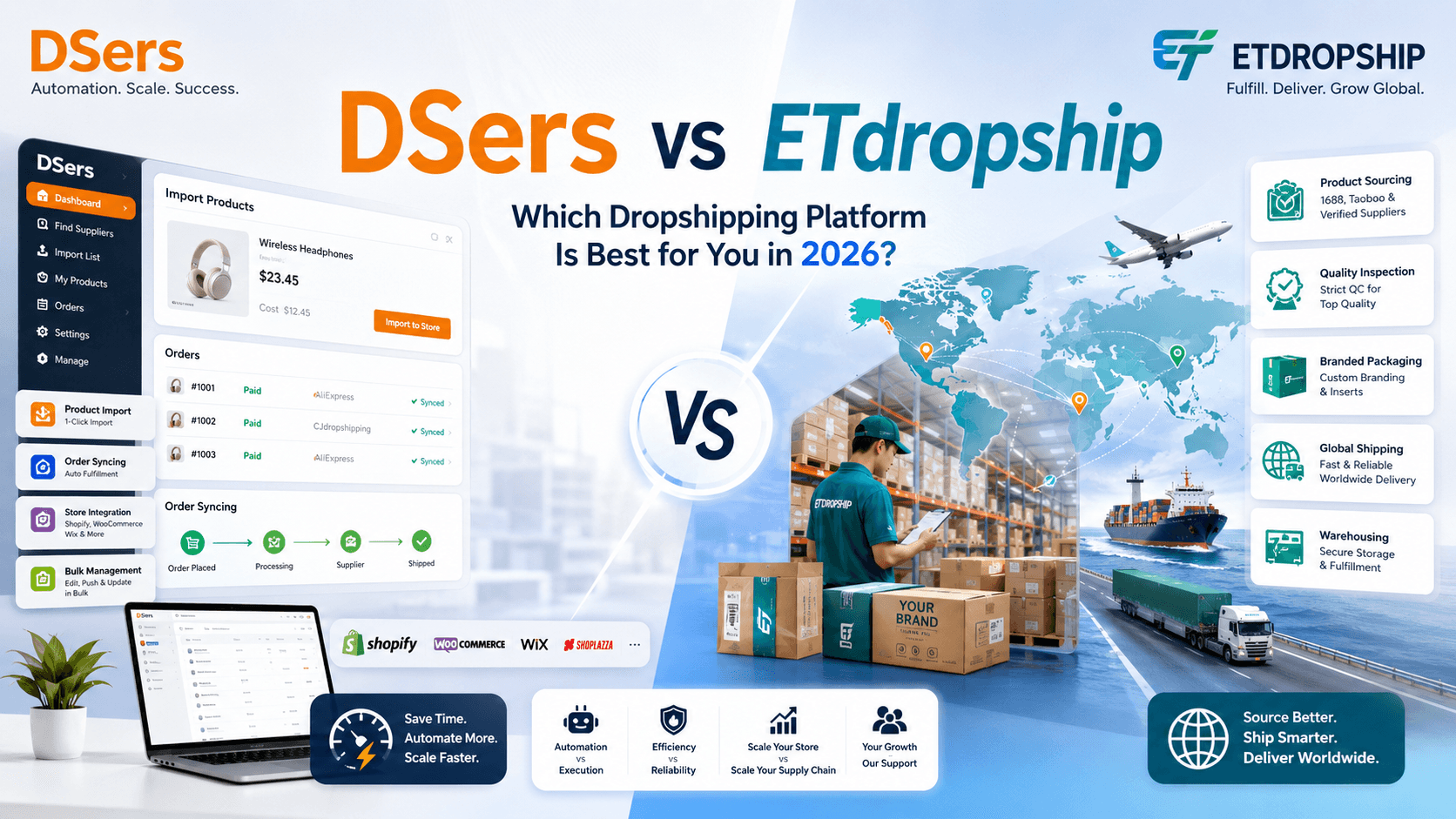
Platforms like ETdropship help merchants simplify this transition by providing product sourcing, custom packaging, private labeling, warehousing, and global fulfillment through a single platform. Rather than coordinating multiple suppliers or managing fulfillment manually, merchants can centralize operations while continuing to sell through Shopify, Amazon, TikTok Shop, WooCommerce, and other channels.
For growing businesses, that means spending less time solving operational problems and more time focusing on product selection, marketing, and customer acquisition.
Frequently Asked Questions
Should beginners use AliExpress?
Yes. AliExpress remains one of the easiest ways to test products without purchasing inventory upfront. It allows new merchants to validate ideas while minimizing financial risk.
When should I stop using AliExpress?
You don’t necessarily need to stop completely. Many successful merchants continue using AliExpress for product testing while moving proven products to dedicated fulfillment partners as their business grows.
Why switch to a private fulfillment partner?
Private fulfillment partners often provide faster shipping, more consistent quality control, branded packaging, better communication, and improved operational efficiency.
Should I invest in branding before validating a product?
Usually not. Product demand should come first. Once you’ve proven customers consistently want a product, investing in branding and fulfillment becomes much more worthwhile.
Final Takeaway
AliExpress isn’t something successful dropshippers “graduate” from because it stops working.
They move beyond it because their business changes.
The early stages of ecommerce are about discovering products customers want to buy.
The next stage is delivering those products better than your competitors.
By validating demand first, improving fulfillment second, and investing only in products with long-term potential, merchants can grow from testing individual products to building a business customers trust and return to again and again.