How a Stitching Mistake Turned Into a Bestseller
How the Cry-Cry Horse Went Viral: Product Testing and Fulfillment Lessons for Dropshippers
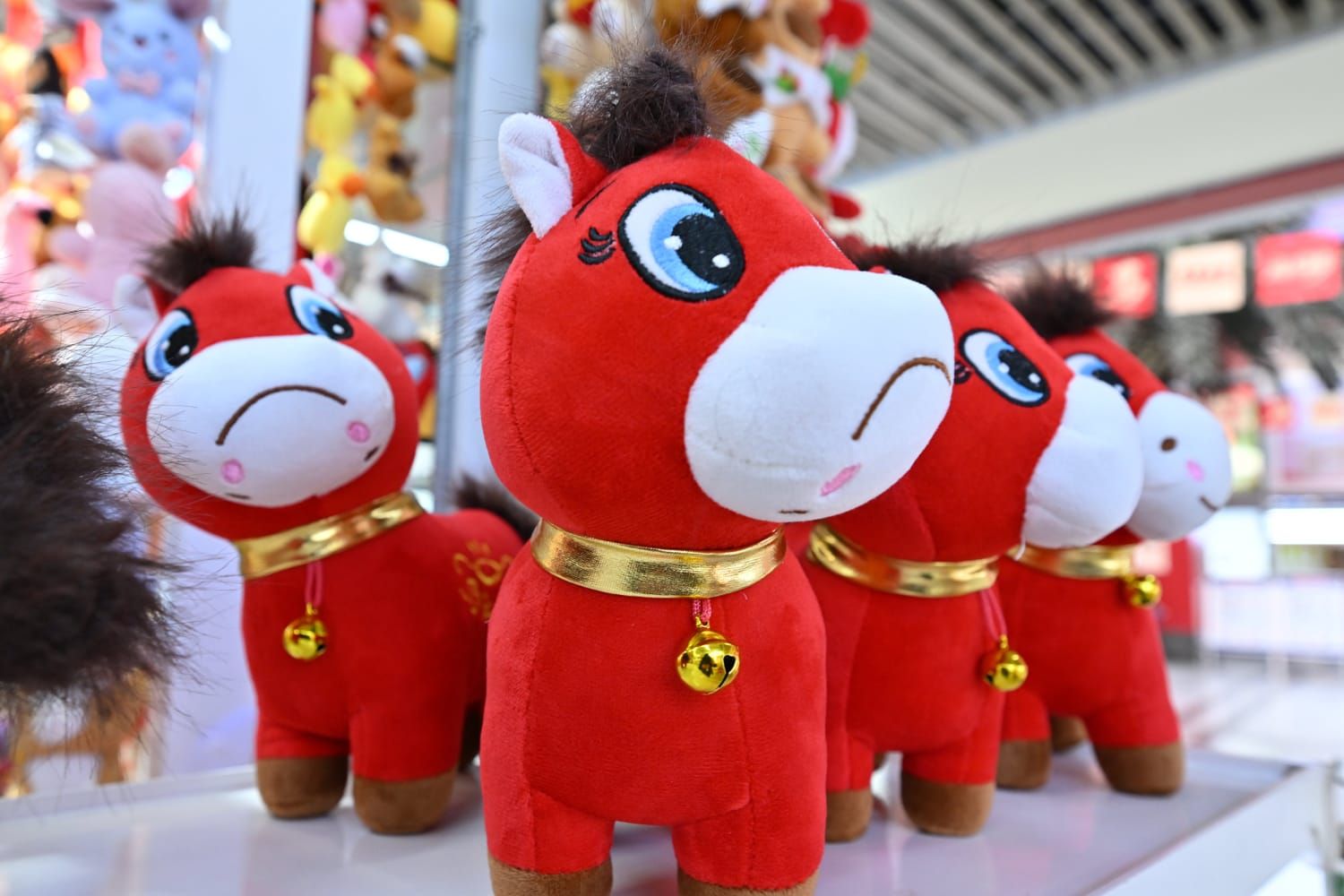
The Cry-Cry Horse became one of the most unexpected product stories of early 2026. A red Year of the Horse plush toy made in Yiwu was intended to have a cheerful expression, but a worker stitched its mouth in the opposite direction. The resulting frown looked less festive and more exhausted. What began as a production defect soon became the feature buyers wanted.
The story matters to dropshippers because it shows how demand can form around emotion rather than technical novelty. It also shows the operational risk of a product that moves from obscurity to mass attention within days. Social interest can arrive faster than factories can add capacity, and the sales window may begin closing before a seller finishes negotiating with a supplier.
This is not a repeatable formula for manufacturing defects. The useful lesson is how to distinguish a genuine product signal from noise, test demand without overcommitting, and build a fulfillment response that does not collapse when content suddenly converts.
What Actually Happened in Yiwu
Chinese media reported that a customer in Hangzhou received a plush horse whose smiling mouth had been sewn upside down. The seller initially offered a replacement, but images of the sad-looking toy spread online. Buyers began asking for the accidental version rather than the corrected one, turning a rejected unit into a deliberate product variation.
The appeal came from the contrast. A traditional Lunar New Year mascot is expected to look optimistic and energetic. The Cry-Cry Horse looked tired, disappointed and emotionally familiar. Online jokes connected the smiling horse with life after work and the crying version with life at work. The toy became a way to communicate a shared mood, not simply another seasonal decoration.
Xinhua reported that daily orders approached 20,000 units during the surge. Other Chinese reports described production expanding from two lines to more than ten and orders being scheduled through March. Those figures show the size of the reaction, but they should not be read as evidence that every viral product can sustain the same volume or that demand remains permanent.
The Product Went Viral Because Buyers Gave It Meaning
Emotional Recognition Was Stronger Than Product Perfection
The toy did not become interesting because its stitching quality was objectively better. It became interesting because buyers recognized a feeling in the expression. That emotional interpretation gave people a reason to comment, share and make jokes before they had any intention of purchasing a plush toy.
For a seller, this distinction is important. Products that travel through social feeds usually need an immediate idea. A viewer should understand the contrast, transformation, problem or emotion without reading a long specification list. The Cry-Cry Horse communicated its entire story through one face.
The Story Made the Product Easy to Retell
A viral product often carries a compact narrative. In this case, the narrative was simple: a factory made a mistake, a customer shared it, and the mistake felt more authentic than the intended design. Every repost could repeat that story in a sentence.
That does not mean sellers should invent an origin story. False scarcity, fabricated defects and copied cultural references can quickly damage trust. The practical takeaway is to notice when customers describe a product in language that is clearer and more emotionally specific than the supplier listing.
Viral Attention Is a Signal, Not Proof of a Sustainable Product
High view counts can indicate curiosity without proving purchase intent. A product may generate comments because it is funny, unusual or controversial while producing weak checkout behavior. Sellers therefore need to separate attention, commercial validation and operational validation.
Attention appears in shares, comments, search growth and repeated content. Commercial validation appears when customers accept the selling price and advertising economics. Operational validation appears only after the supplier can deliver consistent products, accurate variants and acceptable shipping performance at the required volume.
A broader product discovery and validation system helps compare those signals before a seller treats a viral post as a sourcing instruction. The Cry-Cry Horse illustrates why trend discovery and product validation are different stages.
Test the Offer Before Committing to Trend Inventory
A seller who notices a fast-moving trend has two competing risks. Moving too slowly can miss the sales window, while ordering too much can leave inventory after attention moves elsewhere. The safest response is a staged test with explicit thresholds.
Begin with a small number of samples or a supplier-confirmed low-commitment batch. Verify the actual dimensions, fabric, stitching, expression, packaging and any product labels. For a character product, also check intellectual-property exposure before publishing advertisements or ordering branded packaging. Viral visibility does not make a design free to copy.
Next, test more than one creative angle. One video may reproduce the original joke, while another demonstrates size, texture or gifting context. If sales depend entirely on repeating somebody else's viral post, the offer may have little durability once the meme weakens.
Inventory should increase only after paid or organic traffic produces repeatable purchases and the supplier demonstrates that replenishment is realistic. A short trend can justify speed, but it does not justify abandoning margin, quality or legal checks.
Supplier Capacity Must Be Verified Before Advertising Scales
A supplier can truthfully have stock today and still be unable to support tomorrow's order volume. When demand jumps, factories may add shifts, subcontract production or source materials from new vendors. Each response can change lead time and quality.
Before increasing traffic, confirm current finished-goods stock, daily output, material availability, labor capacity, normal defect rate and the process used when orders exceed planned production. Ask whether output is controlled by one factory or distributed among subcontractors. The answer affects consistency and accountability.
The operational pressure becomes clearer when a dropshipping supply chain scales from 20 to 500 orders per day. A workflow that handles a few manual orders may fail once purchasing, QC, labels and tracking must move at campaign speed. A viral product is one of the fastest ways to expose that scale gap.
Quality Control Becomes More Important During a Viral Surge
The original Cry-Cry Horse became valuable because one unusual expression resonated with buyers. That does not mean buyers will accept unrelated defects. Loose seams, inconsistent stuffing, stains, weak accessories or an expression that no longer matches the advertised sample are still quality failures.
When production expands rapidly, a seller should approve a reference sample and define the features that must remain consistent. Inspection can focus on the face and embroidery, overall dimensions, seam strength, filling distribution, accessories, labels and packaging. The inspection standard should distinguish the intended frown from accidental damage.
Product pages also need to match the supplied version. If the marketing shows a particular expression and the factory produces several visibly different faces, the customer may interpret normal production variation as receiving the wrong product. Trend products often have little tolerance for that mismatch because the specific visual feature is the reason for purchase.
Fulfillment Speed Matters, but Dispatch Accuracy Matters First
A viral product has a limited attention window, so slow processing can turn a good campaign into late deliveries and refund requests. Yet speed alone is not enough. Sending the wrong variation quickly still creates a failed order.
The fulfillment workflow should identify the exact SKU, preserve the approved product version, apply any required packaging and return tracking promptly. If several storefronts or creators are selling the same item, order data should enter one controlled process instead of being copied manually between spreadsheets.
This is where dropshipping order automation supports the physical workflow. Automation can synchronize orders and tracking, but it cannot replace supplier confirmation, inspection or exception handling. That data layer becomes essential when order volume changes faster than a team can type.
Do Not Let the Viral Peak Become the Entire Business
The Cry-Cry Horse was closely connected to the 2026 Year of the Horse and a specific online mood. Both factors can create strong demand and a clear endpoint. Sellers should plan the exit before they scale the entry.
Track search interest, content engagement, conversion, refund behavior, supplier lead time and remaining inventory together. When traffic weakens or acquisition costs rise, reduce purchasing before the decline becomes obvious to every competitor. Large promotional orders placed near the end of a trend can be more dangerous than missing the first few days.
The strongest outcome is to learn which customer and emotional theme responded, then use that insight to build a more durable assortment. A store may move from one viral plush toward expressive desk toys, giftable collectibles or emotionally themed accessories, but the next products still need independent validation.
Turn Temporary Attention Into a Longer-Term Asset
A trend can introduce customers to a store, but repeat business requires more than the original meme. Accurate delivery, clear communication and a product that matches the creative are the first steps. After that, the seller can test complementary items, new designs or a coherent collection.
The transition from copied trend to owned customer relationship is also where building a brand with dropshipping becomes relevant. Branding should follow proven demand rather than delay the first test, but a distinctive product system, packaging and post-purchase experience can preserve value after competitors list similar items.
Not every viral product deserves that investment. The seller should look for repeat customers, adjacent demand and an audience that cares about more than the original joke. If those signals do not appear, a controlled exit can be a better decision than forcing a short trend into a permanent brand.
A Practical Viral-Product Decision Framework
Confirm the Signal
Look for repeated independent posts, comments expressing buying intent, search growth and sales evidence. One high-view video is not enough.
Verify the Product
Order a sample, check the feature that drives demand, confirm specifications and evaluate intellectual-property risk. The marketed version and supplied version must match.
Verify the Supply Response
Confirm stock, capacity, replenishment time, quality controls and the consequences of subcontracting. Obtain a realistic daily dispatch number rather than a vague promise to scale.
Scale in Stages
Increase advertising and purchasing only after conversion, delivered margin and operational performance remain acceptable. Keep a stop-loss rule for declining demand or rising lead times.
FAQ
What is the Cry-Cry Horse?
It is a red Year of the Horse plush toy from Yiwu whose mouth was accidentally sewn into a frown. The sad expression spread online and buyers began requesting the defective-looking version.
Why did the Cry-Cry Horse go viral?
Its expression felt emotionally relatable and easy to turn into workplace humor. The product also had a simple origin story that users could repeat when sharing it.
Does a viral post prove that a product will sell?
No. Views and comments show attention, while purchases, margin and delivery performance provide commercial and operational validation.
How should dropshippers test a viral product?
Confirm demand across several signals, order samples, test multiple creatives and begin with a low-commitment supply arrangement before increasing advertising or inventory.
What should sellers ask a supplier during a demand surge?
Ask about finished stock, daily output, material availability, replenishment time, subcontractors, defect control and the maximum reliable dispatch volume.
Is it safe to sell a viral character product?
Not automatically. Sellers should check design, trademark, copyright and licensing risks before copying a character or using protected images and names.
Conclusion
The Cry-Cry Horse became a bestseller because consumers turned an unintended expression into a shared emotional symbol. Yiwu's fast manufacturing response converted attention into supply, but the story is valuable precisely because it shows both sides of a viral opportunity.
Dropshippers should move quickly enough to test the signal, but slowly enough to verify the product and supplier. The winning response combines demand evidence, controlled inventory, clear quality standards, accurate order data and an exit plan. Viral attention can open the door; operational discipline determines whether the orders behind it create profit or problems.
In late 2025, a plush toy from Yiwu, China, went from factory defect to viral hit in days. The “cry-cry horse” was meant to be a cheerful Year of the Horse mascot, but a worker accidentally stitched the mouth upside down. The result was a sad, downturned face. Instead of being scrapped, that “flaw” became the reason millions wanted it.