How to Start a Dropshipping Business with Zero Upfront Cost: A Complete Beginner’s Guide for 2026
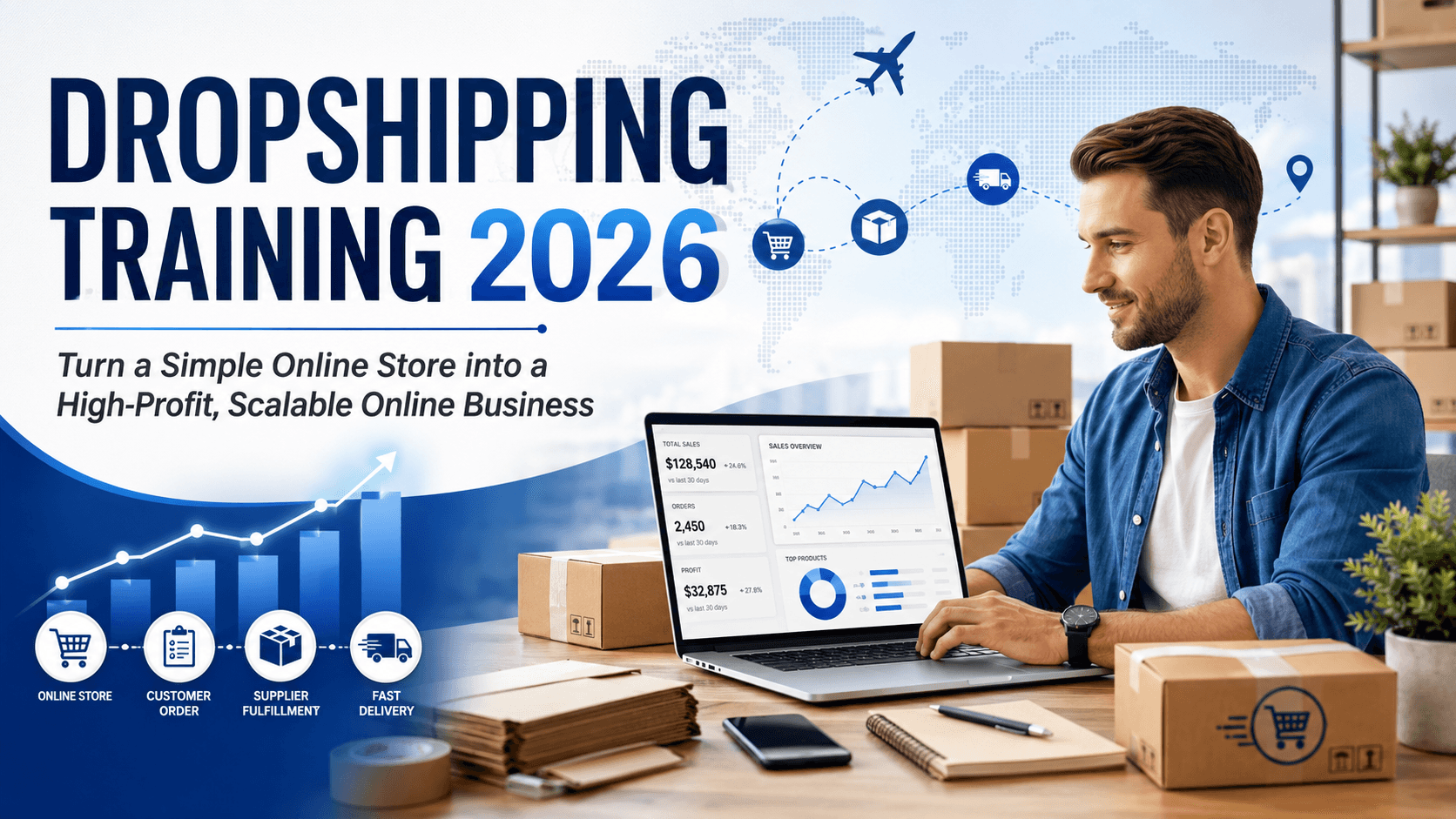
For many beginners who want to enter cross-border e-commerce, dropshipping is one of the easiest business models to understand and start. It does not require large upfront inventory purchases, warehouse rental, a fulfillment team, or the risk of holding unsold stock. Compared with traditional retail, the biggest attraction of dropshipping is that sellers can test the market first and arrange sourcing and fulfillment only after receiving orders.
However, “starting a dropshipping business with zero upfront cost” does not mean building a business without spending any money at all. A more accurate meaning is starting with the lowest possible cost: no upfront inventory, no large purchasing commitment, no heavy advertising spend at the beginning, and no complex team setup. Instead, beginners can use free research tools, low-cost store-building options, free content traffic, and order-based fulfillment to reduce trial-and-error costs.
By 2026, dropshipping is no longer the rough model it was a few years ago, where sellers could simply copy products, add a markup, run ads, and expect sales. Consumers now care more about delivery speed, product quality, packaging experience, and after-sales service. Platforms are also stricter about product compliance, shipping information, and seller responsibility. Therefore, beginners who want to build a long-term dropshipping business should not only focus on finding cheap products. They need to develop the right mindset around product selection, supply chain management, and fulfillment from the very beginning.
The Dropshipping Market Background in 2026
Global e-commerce continues to grow. Shopify’s global e-commerce sales forecast shows that global online transaction revenue is expected to reach $6.88 trillion in 2026 and account for 21.1% of total global retail sales. This means online shopping is no longer a short-term trend, but an important part of the global retail structure.
However, market growth does not mean beginners can make money easily. Cross-border e-commerce competition in 2026 is more mature. Consumers are used to comparing prices across different platforms, and they pay more attention to delivery time, return policies, product reviews, and brand trust. In the past, many sellers relied on low-cost products and paid ads to generate quick orders. Today, if the supply chain is unstable, shipping is too slow, or the product page lacks trust, even strong traffic may not convert into stable sales.
From a seller’s perspective, the 2026 dropshipping market shows three clear changes.
First, low-price competition is becoming more intense. Platforms such as Temu, Shein, Amazon, and TikTok Shop expose consumers to a large number of low-priced products. If an independent store only relies on cheap prices to attract customers, it will be difficult to compete in the long run.
Second, logistics and taxes have become more important. Markets such as the United States and the European Union are tightening rules around low-value imported parcels. Sellers must recalculate duties, VAT, customs clearance, and shipping costs instead of only looking at supplier quotes.
Third, branded fulfillment is becoming more important. Customers are not only buying a product; they are evaluating the entire shopping experience. This includes whether the packaging looks professional, whether tracking information is clear, whether customer service replies quickly, and whether the product received matches the description on the page.
For this reason, beginners in 2026 should not aim to upload hundreds of random products as quickly as possible. A better approach is to start with small-scale product testing and gradually build a more stable and professional supply chain system.
Relevant Policies and Compliance Trends
Although dropshipping has a low entry barrier, it is not a rule-free business model. When selling to markets such as the United States, the European Union, the United Kingdom, Canada, and Australia, taxation, tariffs, platform rules, and product compliance can directly affect store safety.
Changes to the U.S. Low-Value Parcel Policy
In the past, many cross-border sellers relied on the U.S. de minimis rule, which allowed certain low-value imported parcels to enter with lower customs costs. However, this policy has changed significantly. The White House issued an executive order in February 2026 continuing the suspension of duty-free de minimis treatment for all countries, and U.S. Customs and Border Protection stated that from February 28, 2026, all relevant shipments must use an ad valorem duty method.
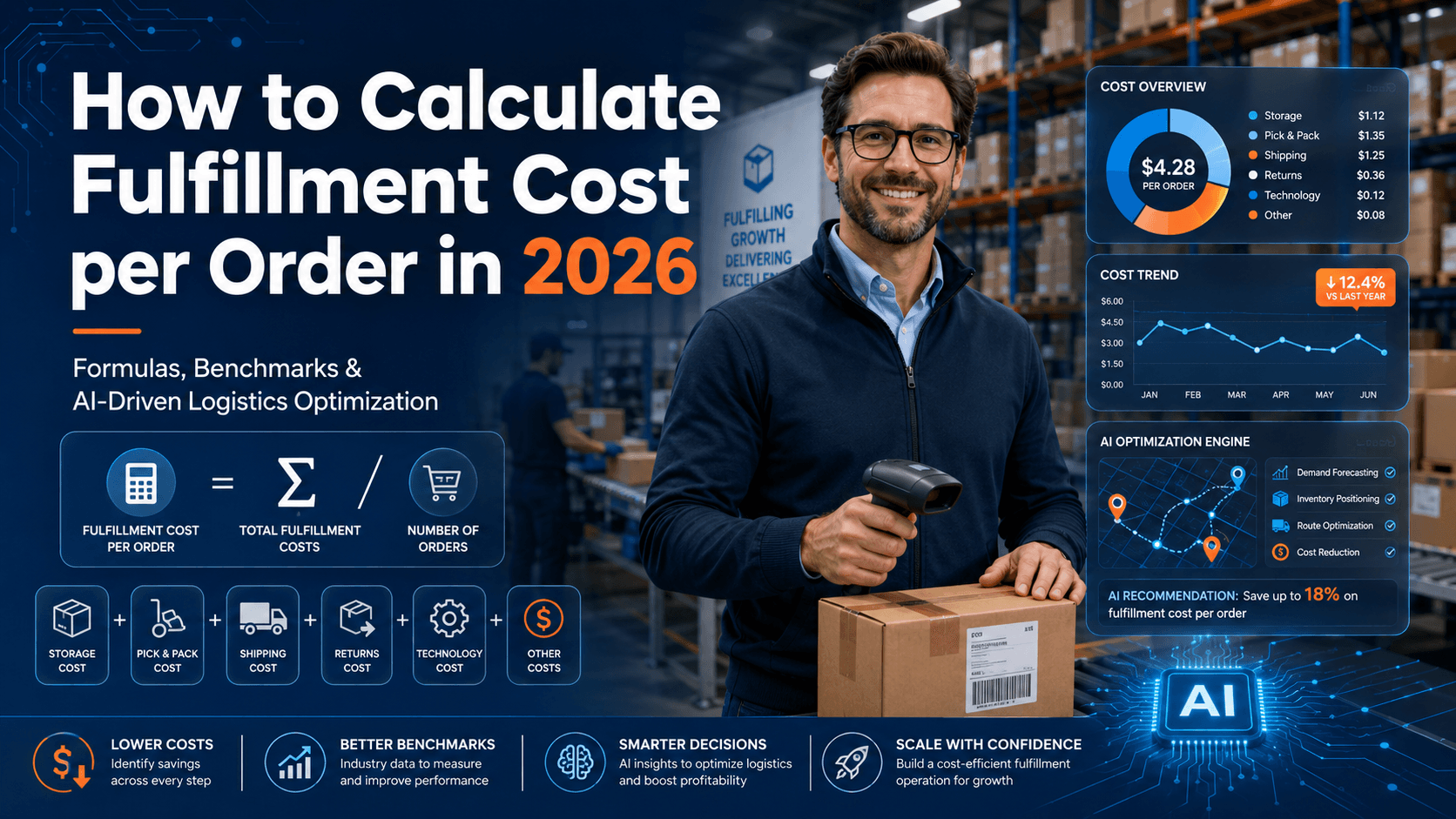
This has a direct impact on dropshipping sellers. In the past, some sellers mainly needed to consider product cost and shipping fees. Now they must also consider tariffs, customs clearance fees, declaration methods, and landed cost. Landed cost refers to the total cost before a product reaches the customer, including product cost, international shipping, duties, VAT, platform fees, payment processing fees, and possible return losses.
If sellers do not calculate these costs in advance, an order that appears profitable may eventually become a loss because of taxes and logistics expenses.
Changes to EU E-Commerce Import Rules
The European Union is also strengthening its supervision of low-value e-commerce parcels. In November 2025, the European Commission announced that EU member states had reached a political agreement to remove the customs duty exemption threshold for e-commerce parcels under €150 from 2026.
This means dropshipping sellers targeting the EU market can no longer rely too heavily on the low-value parcel model. Sellers need to handle VAT, IOSS, product declarations, customs documents, and logistics channels more carefully. For Shopify independent store sellers, if customers come from multiple EU countries, tax and customs settings cannot be handled casually.
Platform Rules Are Becoming Stricter
Platform rules are another area beginners must pay attention to. Amazon’s official drop shipping policy clearly states that if sellers use a third-party fulfillment or dropshipping service, the seller must be the sole seller of record. Invoices, packing slips, external packaging, or any product-related information must not show another supplier or retailer as the seller.
This means that if you place an order from another retail platform and have that company send a package directly to your Amazon customer with third-party packaging or invoices, you may easily violate Amazon’s policy.
TikTok Shop also has its own prohibited product rules. Its U.S. Seller Center policy shows that alcohol, tobacco, e-cigarettes, and related products are prohibited categories. The platform also restricts illegal, counterfeit, gray-market, or products that cannot be legally imported into the buyer’s country.
Therefore, beginners should not only check whether a product is trending. They must also confirm whether the product can be sold on the target platform and whether it involves certification, material safety, brand infringement, import restrictions, or advertising compliance risks.
Dropshipping vs. Traditional Retail
The biggest difference between traditional retail and dropshipping lies in inventory and cash flow pressure.
Traditional retail usually requires sellers to purchase inventory first and then sell it through offline stores, warehouses, or online channels. The advantage of this model is that sellers can better control inventory, packaging, fulfillment, and customer experience. They can also reduce unit costs through bulk purchasing. However, the downside is clear: if the product selection is wrong, unsold inventory becomes a cash flow burden.
Dropshipping works differently. Sellers first list products in their store. After a customer places an order, the supplier or fulfillment provider handles sourcing, quality inspection, packaging, and shipping. Sellers do not need to hold inventory in advance, which reduces early-stage financial pressure and makes it easier for beginners to test different product directions.
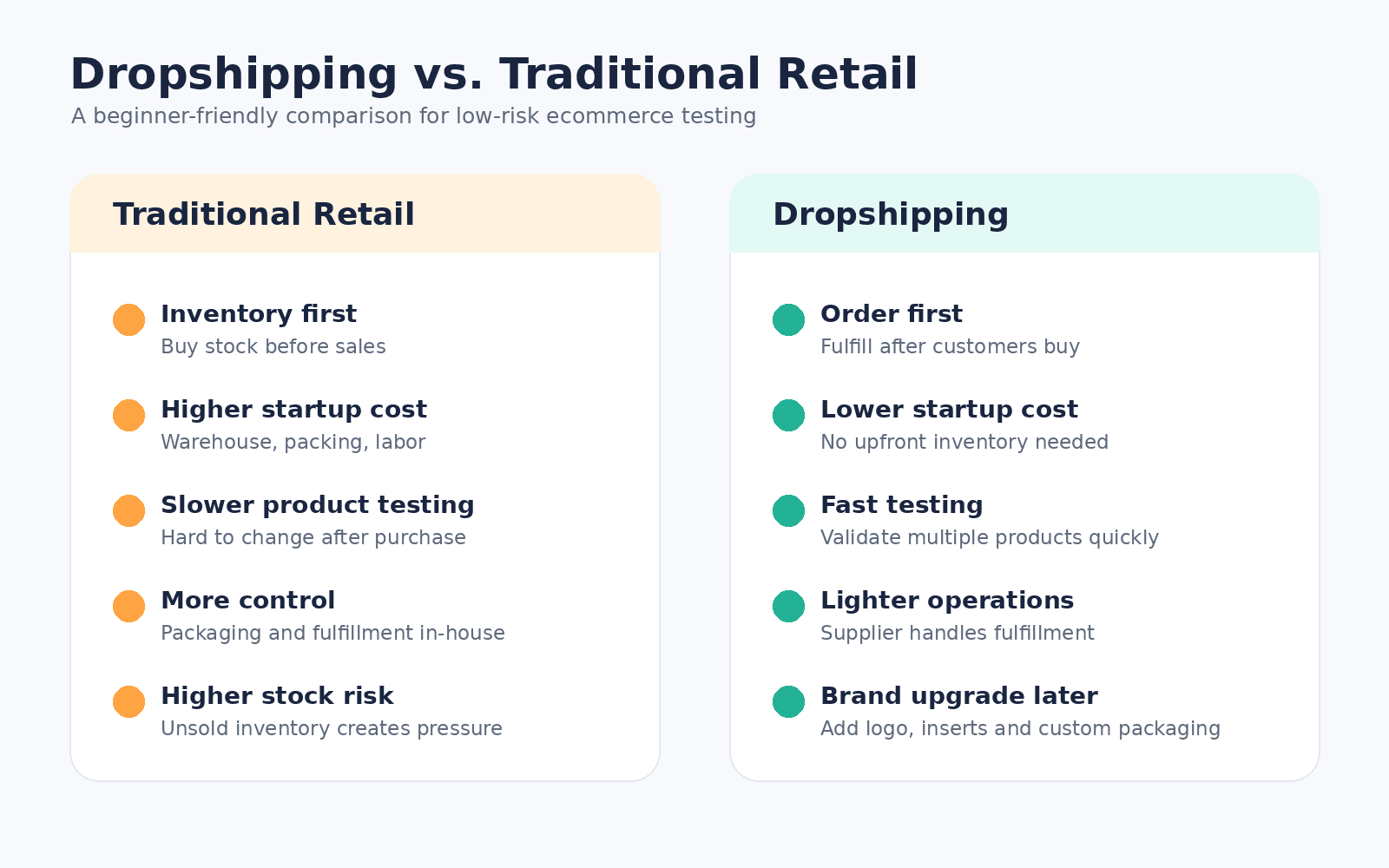
For beginners, the advantage of dropshipping is “test first, invest later.” You do not need to predict with certainty that a product will become a bestseller. Instead, you can use data to see whether customers are interested. Once a product has stable clicks, add-to-carts, and orders, you can then consider purchasing samples, improving packaging, upgrading branding, or even holding a small amount of inventory.
However, dropshipping also has weaknesses. Shipping speed may be slower than local warehouse fulfillment. Product quality depends heavily on suppliers. Packaging experience is harder to control in the early stage. If the supplier is unstable, customer complaints, refunds, and negative reviews will be the seller’s responsibility. Therefore, dropshipping is not an “easy money” model. It is a low-risk way to test the market.
Core Advantages of the Dropshipping Model
Low Startup Cost and Beginner-Friendly Testing
The biggest fear for beginners is not failing to make money, but investing too much at the beginning and ending up with products that cannot sell. Dropshipping helps reduce this risk. You can first use free tools for market research, build a low-cost store, and test customer feedback through social media content. Only after orders come in do you need to arrange actual fulfillment.
This is especially suitable for sellers with limited budgets. Instead of spending money on inventory from the start, you can use your early budget on more important areas, such as ordering samples, creating content, optimizing product pages, and testing ads.
Flexible Product Testing and Faster Adjustments
In traditional retail, choosing the wrong product may leave you with months of inventory pressure. Dropshipping allows sellers to adjust quickly. For example, if you start by testing pet travel products and find that a portable pet water bottle performs poorly, while a pet car seat cover and travel bowl receive better feedback, you can focus on improving the stronger products instead of wasting resources on products with weak demand.
This flexibility is one of the biggest values of dropshipping for beginners. It allows you to learn from the real market instead of relying only on assumptions.
Lighter Operations for Individuals and Small Teams
Dropshipping allows sellers to leave warehousing, packing, and shipping to suppliers or fulfillment providers. This means sellers can spend more energy on product research, content, product pages, advertising, and customer communication.
For solo entrepreneurs or small teams, this asset-light model can significantly reduce operational pressure. You do not need to handle packages every day or manage complex logistics by yourself. You only need to connect front-end sales with a reliable back-end supply chain.
Potential to Upgrade into a Branded Business
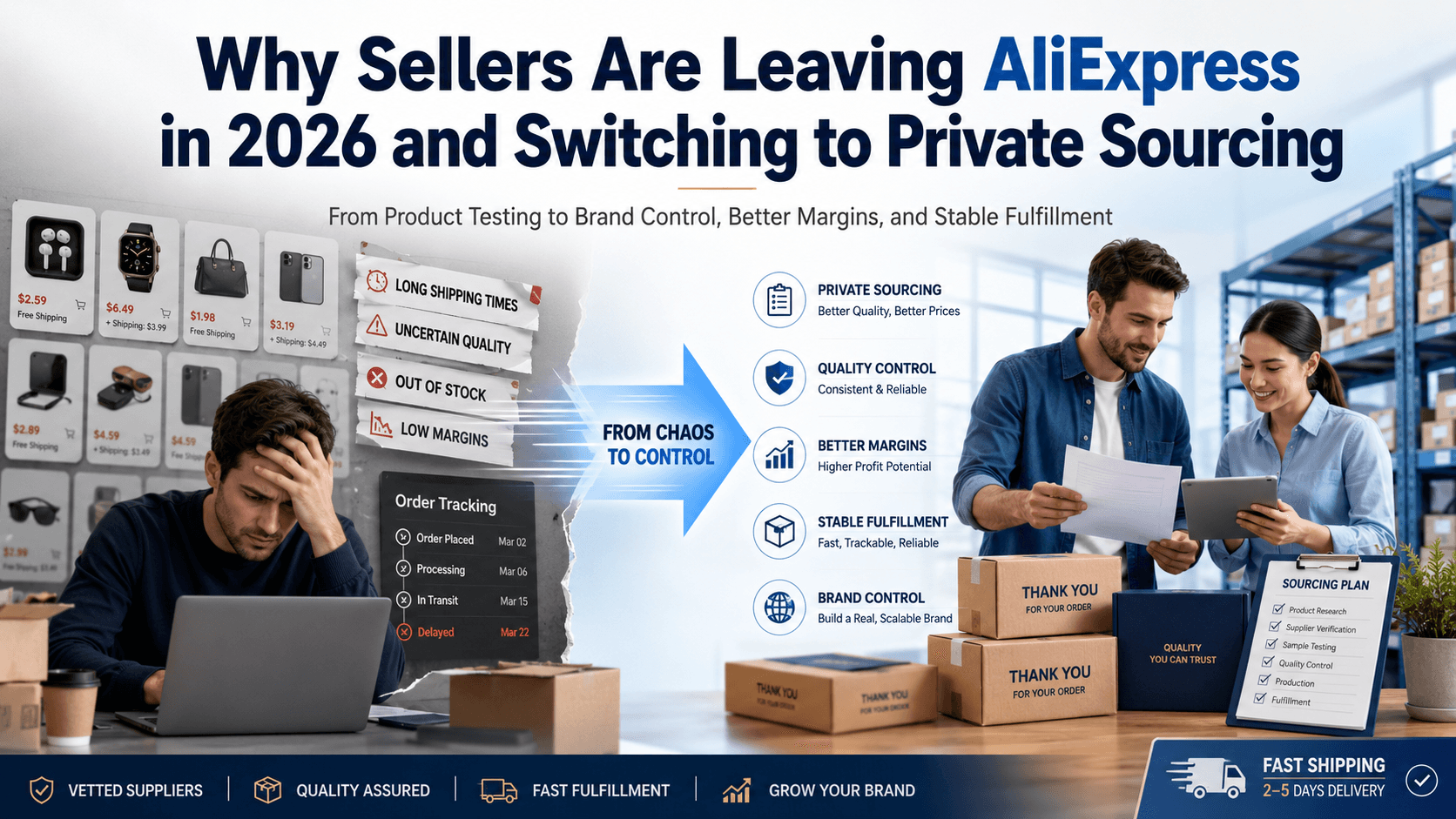
Many people mistakenly believe dropshipping can only be used to sell generic white-label products. In reality, a mature dropshipping path usually has three stages: product testing, stable fulfillment, and brand upgrading.
Once a product has stable orders, sellers can gradually add brand logos, product labels, custom packaging bags, instruction cards, thank-you cards, brand inserts, and even light customization or OEM/ODM options. In this way, sellers can move from simply selling products to building a real brand experience.
Dropshipping Products Suitable for Beginners in 2026
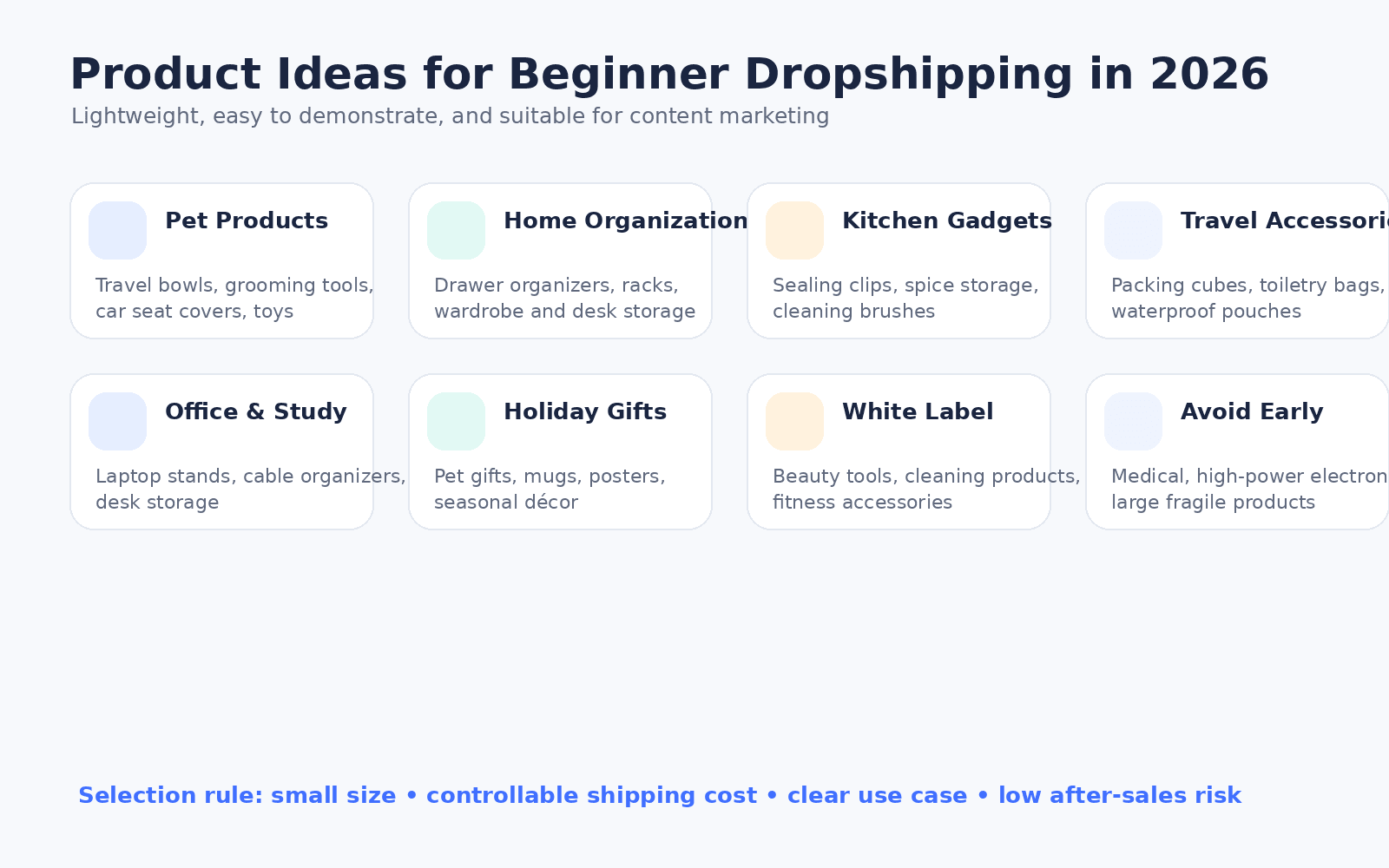
Beginners should not only chase so-called “winning products.” Products suitable for beginners usually share several characteristics: lightweight, small in size, easy to demonstrate, low after-sales risk, controllable shipping cost, clear use case, and ideally suitable for short videos or images.
1. Pet Products
Pet products have long-term market demand and are highly suitable for content marketing. Portable pet water bottles, pet travel bowls, pet grooming tools, pet beds, pet car seat covers, pet cleaning products, and pet toys are all suitable for beginner testing.
The advantage of this category is that the use cases are clear and content is easy to create. For example, a portable pet water bottle can be shown in a video about how to feed water to a dog during a walk. A grooming tool can be shown in a before-and-after grooming video. A pet car seat cover can be presented as a solution for keeping a car clean and protected from scratches.
However, beginners should avoid pet food, medicine, or products that claim medical benefits, because these categories usually involve more complex compliance requirements.
2. Home Organization Products
Home organization is a very suitable dropshipping direction. Drawer organizers, kitchen storage racks, bathroom shelves, wardrobe organizers, desktop storage boxes, and travel packing bags can all be promoted through short videos, images, and blog content.
The advantage of this category is that the transformation is visually obvious. Customers can clearly see the difference before and after using the product, such as a messy kitchen counter becoming neat, wardrobe space being better used, or bathroom items no longer being scattered everywhere. This kind of visual impact works well on TikTok, Instagram Reels, Pinterest, and YouTube Shorts.
3. Kitchen Gadgets
Kitchen gadgets are also suitable for beginners. Examples include sealing clips, spice organizers, kitchen cleaning brushes, food storage tools, cutting aids, and cup lid organizers.
The key to kitchen products is practicality. Product pages should not only say “high quality,” “convenient,” or “durable.” They should explain what specific problem the product solves, such as saving counter space, reducing food waste, keeping the refrigerator organized, or making cleaning easier. Customers are not just buying a plastic tool; they are buying a more convenient lifestyle.
If the product comes into contact with food, sellers should pay special attention to material descriptions and supplier qualifications. Do not exaggerate safety claims.
4. Travel and Outdoor Accessories
Travel packing cubes, luggage organizers, toiletry bags, foldable cups, outdoor hooks, waterproof storage bags, and portable clothing bags are all suitable for dropshipping.
These products are usually small, lightweight, and suitable for cross-border shipping. They are also good for seasonal content, such as summer travel, Christmas travel, camping season, back-to-school season, and business trips.
Beginners should avoid products involving safety load-bearing, protection, or extreme outdoor use. For example, climbing gear, safety ropes, or protective equipment are not suitable for ordinary beginner dropshipping because of higher after-sales and liability risks.
5. Office Desk and Study Products
Remote work, home study, and desk organization continue to create demand for office-related small products. Laptop stands, cable organizers, keyboard cleaning tools, desktop storage boxes, file organizers, monitor stands, mouse pads, and desk lamp accessories can all be tested.
These products are suitable for content themes such as desk makeover, productivity improvement, and study space organization. The target audience is also clear: students, office workers, remote workers, and content creators.
6. Holiday Gifts and Personalized Small Products
Mother’s Day, Father’s Day, Valentine’s Day, Christmas, Halloween, and back-to-school season all create opportunities for gift-related dropshipping. Examples include pet-themed gifts, couple gifts, parent-child gifts, home gifts, custom mugs, custom posters, and holiday decorations.
The advantage of holiday products is that purchase intent is strong. Customers already have a reason to buy gifts. The downside is that the sales cycle is short and shipping time matters more. If beginners want to sell holiday products, they should prepare content and supply chains one to two months in advance instead of listing products one week before the holiday.
7. White-Label and Light Customization Products
White-label products are more suitable for sellers who already have some order volume. Beauty tools, cleaning products, small fitness accessories, pet products, socks, fashion accessories, fragrance-related products, and storage products can all be upgraded with logos, labels, packaging bags, instruction cards, and brand inserts.
Beginners should not start with large-scale customization because customization usually involves minimum order quantities and upfront costs. A better approach is to test the market with ordinary products first. After confirming stable demand, sellers can gradually upgrade to small-batch branding.
Products Beginners Should Avoid at the Start
Beginners should avoid high-risk, high-return-rate, or highly regulated products. Examples include medical devices, medicine, child safety products, skincare products with strong performance claims, high-power electronics, large furniture, fragile high-ticket products, and complex battery-powered products.
These products may look profitable, but they often involve certification, shipping restrictions, return costs, after-sales liability, and platform review risks. For beginners, these risks can easily lead to losses or even account problems.
In addition, low-priced but heavy products are not suitable for beginners. Many products look cheap at the supplier level, but after adding packaging weight and international shipping costs, logistics may consume most of the profit. When selecting dropshipping products, sellers must not only look at the product price. They need to calculate the full cost.
Recommended Platforms for Dropshipping
Shopify Independent Store
Shopify is one of the most commonly used platforms for beginner dropshipping sellers who want to build an independent store. Shopify’s official pricing page shows that sellers can currently start with a 3-day free trial and then choose a plan that fits their business stage.
The advantage of Shopify is that it is easy to set up, has mature themes, and offers a strong app ecosystem. It is suitable for sellers who want to build a long-term brand. You can gradually build customer assets through product pages, email marketing, tracking pixels, SEO content, and branded packaging.
The downside is that you need to generate traffic yourself in the early stage. Unlike Amazon or Etsy, an independent store does not automatically bring platform search traffic. Beginners must use short videos, ads, SEO, communities, or influencer partnerships to drive visitors.
WooCommerce
WooCommerce is suitable for sellers who have WordPress experience and want more control. WooCommerce is an open-source e-commerce platform for WordPress, giving sellers control over checkout, data, costs, and functionality.
The advantages of WooCommerce are flexibility, SEO friendliness, and high customizability. The downside is that plugins, hosting, security, speed optimization, and maintenance can be more complicated for beginners. If you have no website-building experience, Shopify may be easier to start with. If you are familiar with WordPress, WooCommerce offers more freedom.
TikTok Shop
TikTok Shop is suitable for sellers who are good at short-form video content and livestream selling. Its advantage is that content and transactions are closely connected. Customers can buy directly after watching a video, making it suitable for pet products, home organization items, kitchen gadgets, beauty tools, and gift products.
However, TikTok Shop has requirements for product categories, content claims, and fulfillment rules. Beginners must check whether their products fall under prohibited or restricted categories. Sellers should avoid exaggerated, misleading, or non-compliant product promotion.
Amazon
Amazon allows dropshipping, but the rules are stricter. Sellers must be the seller of record and take responsibility for packaging, invoices, returns, and customer service.
For this reason, beginners without stable suppliers and controllable packaging should not start with ordinary Amazon dropshipping. Supplier information, third-party invoices, or inconsistent packaging can create serious risks.
Etsy
Etsy is more suitable for products with design, personalization, handmade-style positioning, gifts, and print-on-demand items. Examples include custom T-shirts, posters, mugs, tote bags, wedding gifts, holiday gifts, and pet-themed products.
However, Etsy is not suitable for simply copying generic wholesale products. It values product differentiation, page style, and creative presentation. If you have design ability or can build content around a specific niche audience, Etsy can be a good option.
eBay
eBay is suitable for testing general products, niche accessories, and price-sensitive markets. Its entry barrier is relatively low, but sellers still need to manage shipping time, tracking numbers, customer service, and refund handling.
When selling on eBay, beginners should not blindly upload a large number of products. It is better to choose products with stable supply, sufficient inventory, and trackable logistics to avoid account performance issues caused by out-of-stock products or delayed shipping.
Recommended Dropshipping Suppliers and Fulfillment Providers
Different suppliers are suitable for different stages of business. Beginners should not only ask which supplier is the best. They should choose based on target market, product type, shipping speed, branding needs, and budget.
ETdropship
ETdropship is more suitable for Shopify independent store sellers, especially those who want to upgrade from ordinary dropshipping to branded fulfillment. Its Shopify App Store page shows that ETdropship provides product sourcing, procurement support, quality inspection, branded packaging, warehousing, global shipping, and after-sales support.
For beginners, the value of ETdropship is not simply “helping you ship products.” It helps sellers handle the back-end supply chain, including product sourcing, price comparison, supplier communication, pre-shipment quality checks, packaging customization, order exceptions, logistics issues, and after-sales requests.
When a seller moves from early testing to stable order volume, ordinary suppliers often cannot meet branding needs. At this stage, custom packaging, logo labels, product inserts, thank-you cards, instruction cards, combined shipping, and tracking synchronization become important parts of improving customer experience. ETdropship is suitable for sellers who want to move from ordinary dropshipping to branded dropshipping.
CJdropshipping
CJdropshipping is a common one-stop dropshipping platform. Its Shopify App Store page states that it provides order fulfillment, product sourcing, global warehouses, quality checks, and delivery services.
It is suitable for beginners who want to quickly test multiple product directions. It is also suitable for sellers with some order volume who want a more automated fulfillment system. CJ’s strengths include its product database and platform features, but sellers still need to carefully evaluate products and shipping methods.
DSers
DSers is more suitable for sellers who use AliExpress, 1688, and similar sources for early-stage product testing. Its Shopify App Store page shows that DSers supports product import, bulk ordering, inventory and price synchronization, order processing, and tracking synchronization.
The advantage of DSers is that it is suitable for low-cost beginner testing and relatively easy to operate. The downside is that supplier quality varies greatly. Sellers should not only choose the lowest-price supplier. They should check shipping speed, reviews, inventory stability, and after-sales cooperation.
Spocket
Spocket is more suitable for sellers who want to find suppliers in the United States, the European Union, Canada, Australia, and other regions. Its Shopify App Store page states that Spocket offers verified suppliers from regions such as the U.S., EU, Canada, Australia, and Brazil, and supports branded invoices.
It is suitable for sellers targeting Western markets who need faster delivery. The downside is that product costs are usually higher than sourcing from China, so sellers need stronger page conversion and brand premium ability.
Zendrop
Zendrop is suitable for sellers who want automated fulfillment, product discovery, and Shopify integration. Its Shopify App Store page mentions Shopify integration, automated fulfillment, and custom thank-you card features.
It is important to note that Zendrop’s private labeling and custom packaging features are usually more suitable for sellers with higher order volume or those who meet the requirements of its Private Agent Program. It may not be ideal for absolute beginners trying to start with zero upfront cost.
Printful
Printful is suitable for print-on-demand. Its Shopify App Store page explains that sellers can sell custom printed and embroidered products without prepaying for inventory, while Printful handles printing, packaging, and shipping.
If you are good at design, niche audience targeting, or content marketing, Printful is suitable for testing T-shirts, hats, posters, mugs, tote bags, blankets, and similar products.
Gelato
Gelato is also suitable for print-on-demand. Its Shopify App Store page shows that Gelato has more than 140 production centers across 32 countries and six continents.
Gelato is suitable for sellers who want to reduce shipping distance in certain regions through local production. It works well for posters, apparel, mugs, wall art, and personalized gifts.
Practical Steps for Beginners to Start Dropshipping with Low Cost
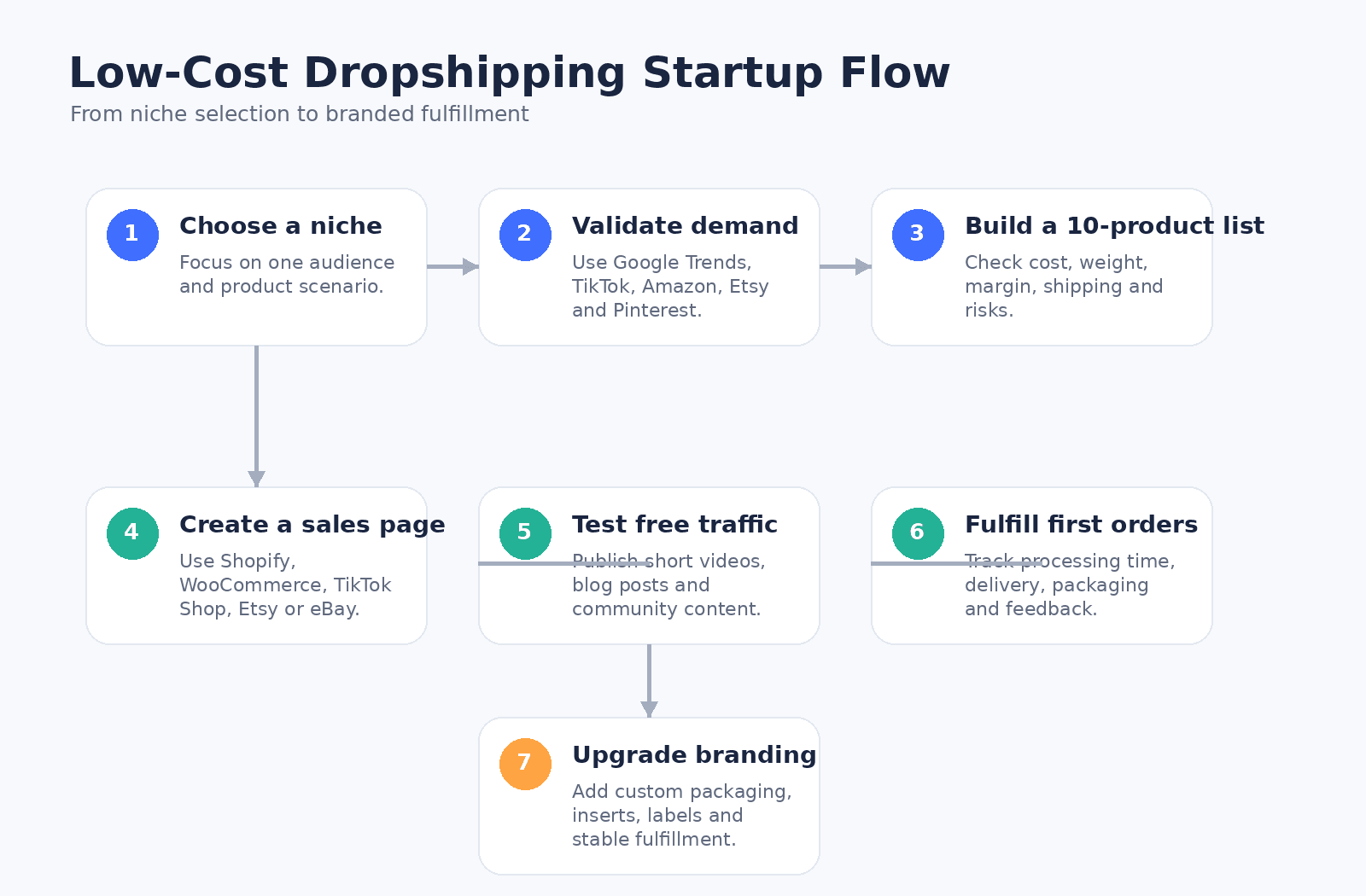
Step 1: Choose a Niche Market First
Beginners should not start with a general store. A general store may look like it has many products, but customers will have a hard time understanding what your store represents, and the website will lack professional focus.
A better approach is to choose one niche direction first. Examples include pet travel products, kitchen organization tools, travel accessories, office desk products, holiday gifts, white-label cleaning products, or small fitness accessories.
When choosing a niche, ask yourself three questions: Does this audience have ongoing demand? Is the product suitable for content demonstration? Are logistics and after-sales risks easy to control? If the answers are relatively clear, the niche is worth testing further.
Step 2: Use Free Tools for Market Validation
Without a budget, beginners can use Google Trends, TikTok search, Amazon Best Sellers, Etsy trending products, Pinterest, Instagram Reels, and YouTube Shorts to observe demand.
Do not only check whether a product is being sold. Look at the comments and customer feedback. Are people asking about size, color, shipping time, how to use it, or whether it is suitable as a gift? If these questions appear often, there may be real purchase intent.
You can also study negative reviews on competitor pages. Negative reviews often reveal market opportunities. If customers complain about poor packaging, unclear instructions, slow shipping, or inaccurate sizing, and you can solve these issues through a better supply chain and clearer page information, you may create differentiation.
Step 3: Build a 10-Product Testing List
Beginners should not upload hundreds of products at once. A better method is to select around 10 products for testing.
For each product, record the supplier price, product weight, packaging weight, estimated shipping cost, target selling price, gross margin, shipping time, main selling points, suitable content angles, and potential after-sales issues.
For example, if you plan to sell pet travel products, you can choose portable pet water bottles, pet travel bowls, pet car seat covers, pet cleaning items, and portable waste bag holders. These products are connected by the same usage scenario, making the store look like a focused niche brand rather than a random collection of products.
Step 4: Build a Minimum-Cost Sales Page
If your budget is extremely low, you can first use a social media profile, a simple landing page, a form tool, or a marketplace store to test demand. If you plan to build a long-term brand, a Shopify independent store is a better option.
A qualified product page should include a clear title, real images, usage scenarios, size information, material details, shipping time, return policy, and FAQ.
Many beginners have low conversion rates not because the product is bad, but because the page does not build trust. If customers cannot see real usage scenarios, do not understand the size, do not know when the product will arrive, or do not understand the return policy, they will hesitate to place an order.
Step 5: Test Products with Free Content Traffic
At the low-cost startup stage, beginners should not spend heavily on ads immediately. They can first test market feedback using TikTok, Instagram Reels, Pinterest, YouTube Shorts, Facebook Groups, Reddit communities, SEO blogs, and LinkedIn content.
Content should not look too much like an advertisement. A more natural approach is to show real usage scenarios, such as “how to organize your suitcase before a trip,”“how to create more storage space in a small kitchen,”“small tools you need when going out with pets,” or “before-and-after desk makeover.”
A product should be tested with at least 10 to 20 pieces of content before making a judgment. If there are no clicks, saves, comments, or messages at all, the product or content angle may not be worth further investment. If there is clear engagement, you can further improve the product page, order samples, and create more authentic content.
Step 6: Test the Fulfillment Process After the First Order
The first order should not only be judged by profit. It should be treated as a complete process test. You need to record the customer order time, supplier processing time, shipping time, tracking update speed, delivery time, packaging condition, product quality, and customer feedback.
If the first order already has problems such as slow shipping, tracking delays, damaged packaging, or product mismatch, the supply chain is not ready to scale. At this point, do not rush to run ads. First, change the supplier or adjust the logistics solution.
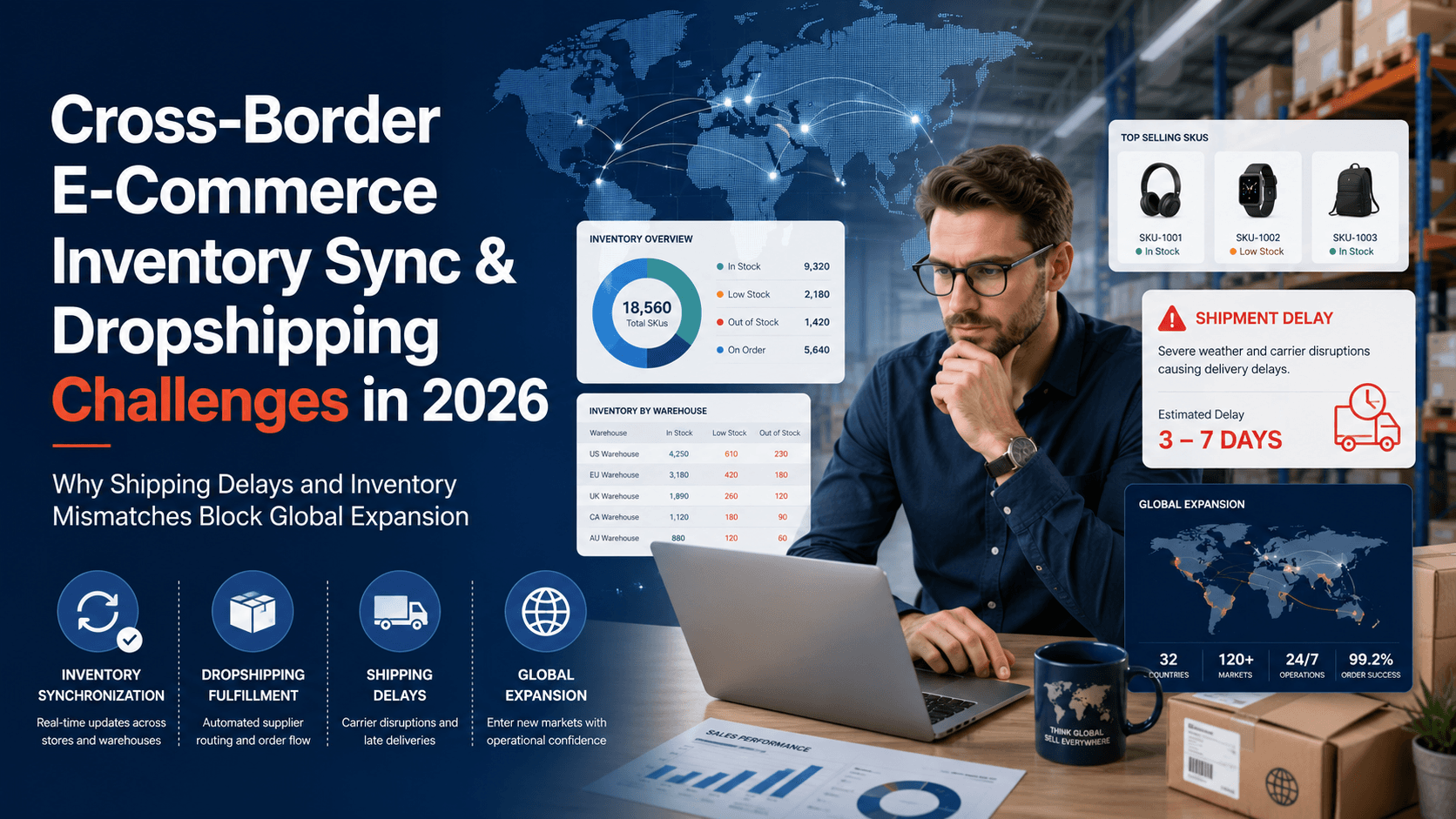
The real risk of dropshipping is often not in front-end sales, but in back-end delivery. Front-end sales can grow quickly through content and advertising, but if the back end cannot keep up, more orders will only create more problems.
Step 7: Upgrade Supply Chain and Branded Packaging After Stable Orders
Once a product starts generating stable orders, sellers should consider upgrading the supply chain. At this stage, you can move from ordinary suppliers to a more professional fulfillment provider and begin improving product quality, packaging experience, shipping speed, and after-sales processes.
For example, you can add a brand logo, custom packaging bags, product labels, thank-you cards, instruction cards, inserts, or after-sales cards. These details may not create explosive growth on the first day, but they influence customer trust and increase the possibility of repeat purchases and referrals.
For Shopify sellers, fulfillment providers such as ETdropship are more suitable at this stage because they can help sellers upgrade from ordinary dropshipping to branded fulfillment.
Conclusion: Zero Upfront Cost Is Only the Starting Point
In 2026, beginners can still start a dropshipping business with a low-cost approach, but they can no longer rely on the rough methods of the past. The market still has opportunities, but policies, platform rules, and consumer expectations are all becoming stricter.
The right path for beginners is to test products at low cost, use data to identify product categories worth investing in, and then gradually improve product pages, content, supply chain, logistics, and packaging. Ordinary dropshipping solves the question of how to start. Branded dropshipping solves the question of how to grow in the long run.
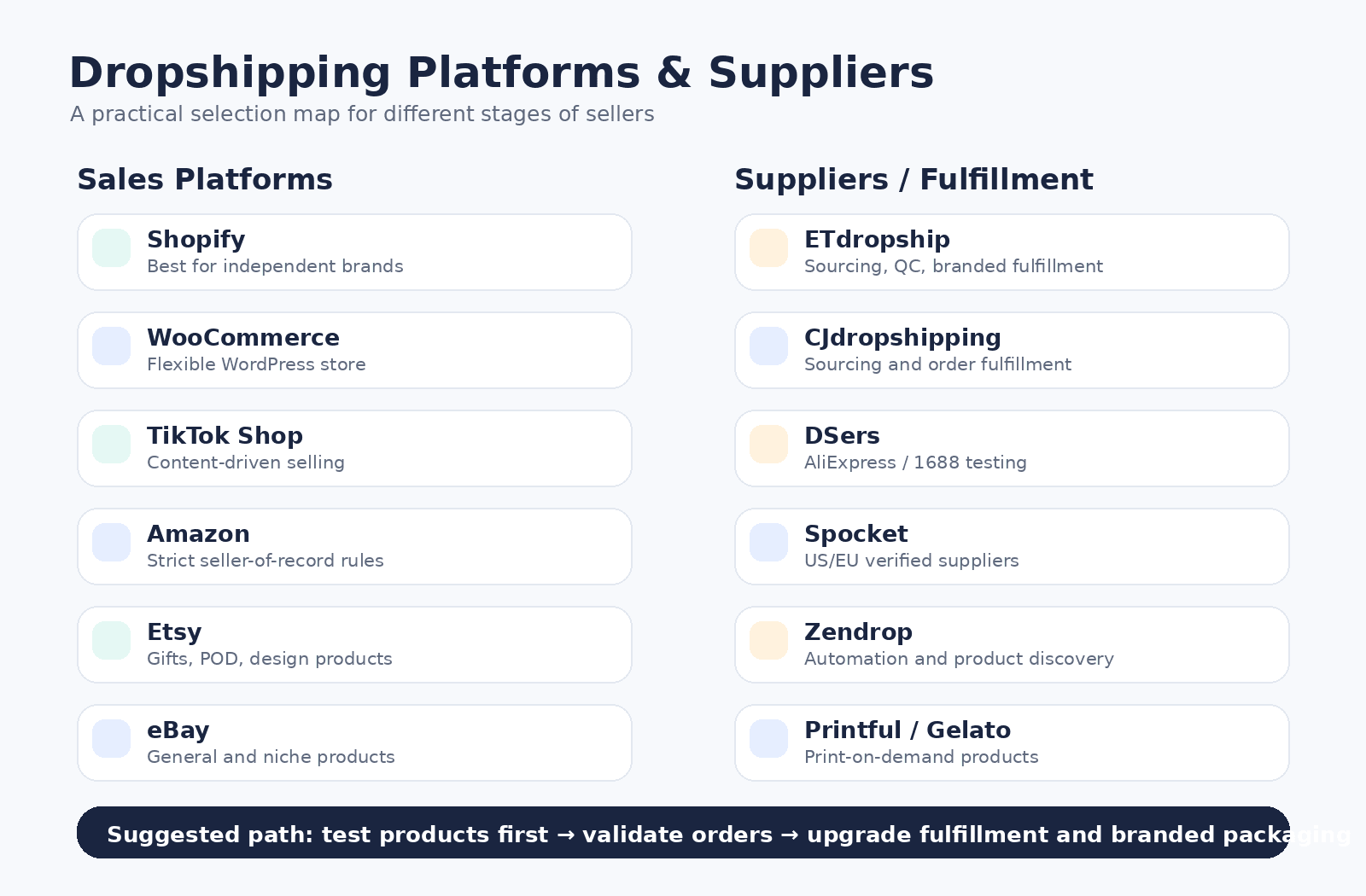
If you only want to test the market, you can first use Shopify, WooCommerce, TikTok Shop, Etsy, or eBay to build sales channels, and use tools such as DSers, CJdropshipping, Spocket, Zendrop, Printful, and Gelato to test products. If you already have orders, or if you want to upgrade from ordinary dropshipping to branded fulfillment, you can consider a service provider such as ETdropship, which offers product sourcing, quality inspection, custom packaging, warehousing, global shipping, and after-sales support.
The first stage of dropshipping is low-cost startup. The second stage is stable fulfillment. The third stage is branded growth. Beginners do not need to invest a large amount of money at the beginning, but they must pay attention to product quality, customer experience, and supply chain stability from day one.
FAQ: Starting a Dropshipping Business with Low Cost
1. Can you really start dropshipping with zero upfront cost?
You can start with very low cost, but it should not be understood as spending no money at all. Beginners can avoid holding inventory, purchasing stock, or renting warehouses, and use free tools and free content traffic to test products. However, long-term operations will still involve costs such as website building, samples, advertising, packaging, tools, and after-sales support.
2. What dropshipping products are best for beginners?
Products suitable for beginners include pet products, home organization items, kitchen gadgets, travel accessories, office desk products, holiday gifts, and light customization products. These products are usually easier to demonstrate, have lower logistics pressure, and are suitable for short-form video and content marketing.
3. Should beginners start with Shopify or TikTok Shop?
If you want to build a long-term brand, Shopify is better for customer ownership and independent store building. If you are good at short-form video content, TikTok Shop can be tested. However, TikTok Shop has stricter requirements for product compliance and fulfillment, so high-risk products should not be listed casually.
4. How should beginners choose a dropshipping supplier?
Do not only look at price. More important factors include shipping time, product stability, quality inspection ability, packaging options, after-sales cooperation, logistics channels, and whether the supplier can support branding upgrades. Beginners can use DSers, CJdropshipping, or Spocket for early testing, and later consider fulfillment providers such as ETdropship for more professional branding and fulfillment support.
5. When should sellers start using branded packaging?
When a product already has stable orders and positive customer feedback, sellers can start considering branded packaging. Do not invest heavily in custom packaging at the very beginning, as it may increase costs too early. The better approach is to test the product first and then gradually add logos, labels, instruction cards, thank-you cards, and custom packaging.
6. What is the biggest risk of dropshipping in 2026?
The biggest risk is not failing to find products. It is unstable supply chains, slow shipping, platform rule violations, unclear tax and tariff calculations, and poor customer experience. When selling to the United States and the European Union, sellers must consider duties, VAT, customs clearance, and platform compliance in advance.
7. What type of sellers is ETdropship suitable for?
ETdropship is more suitable for Shopify sellers, cross-border e-commerce sellers, and sellers who want to upgrade from ordinary dropshipping to branded fulfillment. It is suitable for sellers who need product sourcing, procurement support, quality inspection, custom packaging, warehousing, global shipping, tracking synchronization, and after-sales support.