How to Start a Dropshipping Business on BigCommerce in 2026: A Beginner’s Guide
Talking about dropshipping in 2026 is very different from talking about dropshipping a few years ago. It is no longer enough to find a cheap product, upload it to a store, and run a few ads. The market is still growing, but the business has become much more demanding. Customers now care about whether a website looks trustworthy, whether the product feels reliable, how long shipping takes, whether tracking updates are clear, and whether someone will respond if something goes wrong.
According to Mordor Intelligence, the global dropshipping market is expected to reach around USD 507.18 billion in 2026 and grow to around USD 1.35 trillion by 2031, with a compound annual growth rate of about 21.67% from 2026 to 2031. This shows that dropshipping is not disappearing. The opportunity is still there, but the old low-effort model is becoming less effective. Sellers who want to survive in 2026 need better products, clearer positioning, more stable fulfillment, and a more trustworthy customer experience.
BigCommerce is worth considering in this environment. It is not discussed among beginners as often as Shopify, but it can be a good platform for sellers who want to build a more serious independent store. BigCommerce is better suited for merchants who want their store to feel like a real brand website rather than a quick product-testing site. Commerce.com, the parent company of BigCommerce, reported USD 8.3 billion in GMV in the first quarter of 2026, up 14% year over year, which shows that the platform still has a solid merchant base and transaction volume.
That said, BigCommerce is not a platform where you can simply upload random products and expect easy sales. It is more suitable for sellers who already have a clear niche, a stable supply chain plan, and a long-term mindset. If your goal is only to quickly test a few low-cost viral products, BigCommerce may not be the easiest starting point. But if you want to build a more professional store around pet products, home organization, beauty tools, sports accessories, personalized gifts, or similar categories, BigCommerce is a platform worth considering.
The Core Logic of BigCommerce Dropshipping
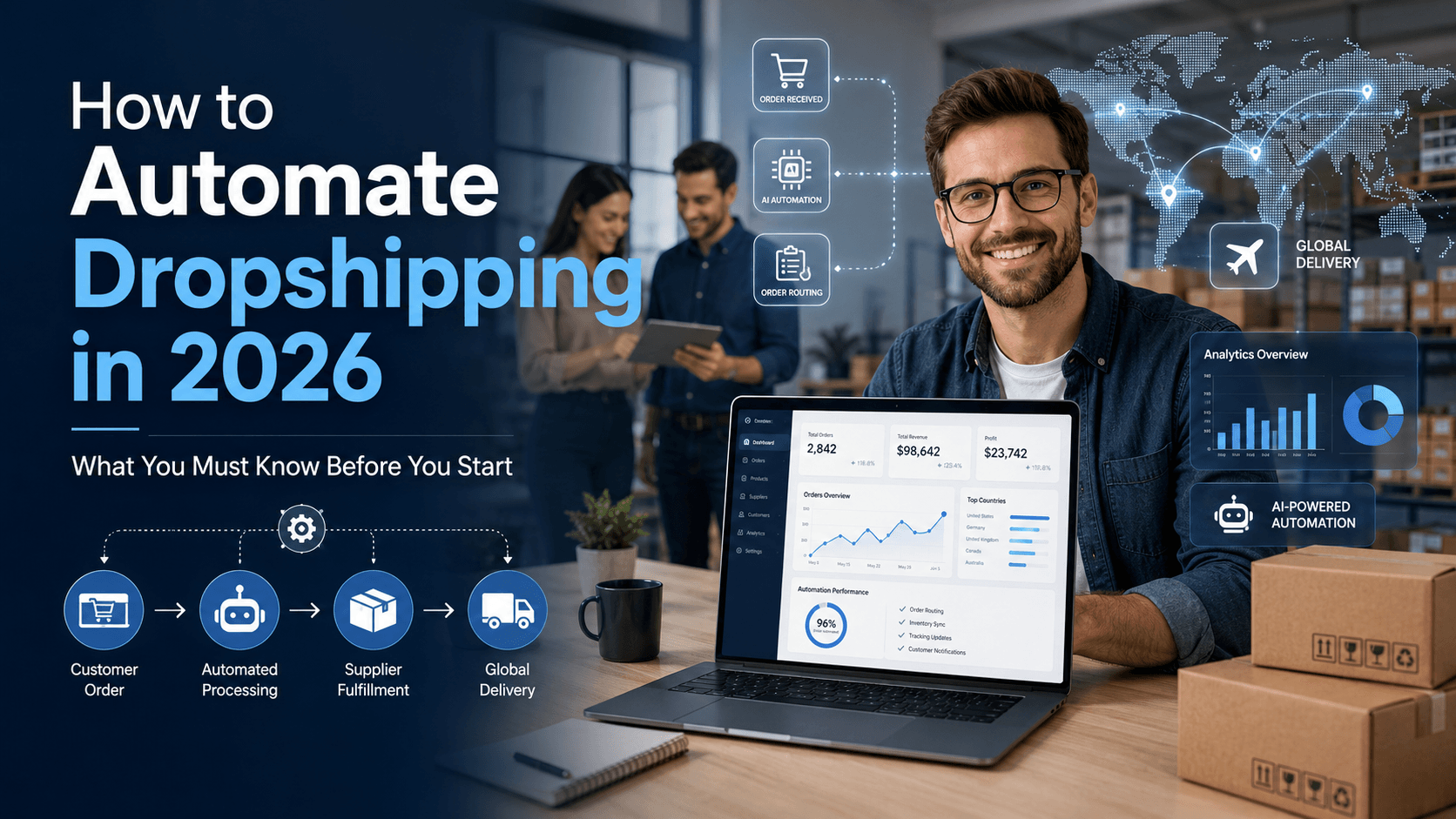
The basic workflow of BigCommerce dropshipping is not complicated. You build a store on BigCommerce, upload products, set up payment methods and shipping policies, and when a customer places an order, the order is handled by your supplier or fulfillment partner. The supplier takes care of product sourcing, packing, shipping, and tracking updates, while you focus on product selection, store pages, advertising, customer service, and brand operation.
It sounds simple, but in real operations, the biggest problem is usually not whether the website can go live. The real problem appears after orders start coming in. Many beginners spend a lot of time changing themes, editing homepage banners, rewriting product titles, and installing apps. Then, once ads start working, they suddenly discover that the supplier is out of stock, shipping costs are higher than expected, tracking numbers update slowly, customers start asking questions, and refunds begin to increase.
Dropshipping is not difficult because of uploading products. It is difficult because you need to make the entire process from customer payment to final delivery work smoothly.
BigCommerce is useful because it allows you to build a more complete and professional store. You can create clear category pages, detailed product pages, brand pages, policy pages, and blog content. For categories with many product variants, such as clothing, pet products, home goods, and beauty tools, BigCommerce’s product management features can be helpful. However, it also requires more planning. Beginners should not expect one app or one supplier to solve every problem.
What Products Should Beginners Start With?
When starting dropshipping on BigCommerce, beginners should avoid building a general store. A general store may look like it has more options, but it usually lacks trust. If a customer enters your website and sees pet toys, kitchen tools, beauty products, car accessories, and random gadgets all mixed together, the store can easily feel temporary and unprofessional. In 2026, consumers have already seen too many low-quality dropshipping sites. If your store has no clear direction, conversion rates will usually suffer.
A better approach is to choose one niche first and build product lines around that niche. For example, if you choose pet products, you can build around pet travel, pet cleaning, pet toys, and pet bedding. If you choose home organization, you can organize products around kitchens, bathrooms, wardrobes, and travel storage. If you choose beauty tools, you can focus on makeup brushes, cosmetic bags, nail tools, travel organizers, and gift sets. This makes your store look more professional and also makes it easier to create SEO content and advertising materials later.
From a beginner’s perspective, good dropshipping products for BigCommerce usually have several common features. They should not be too large or heavy. They should not break easily. They should not require complicated certifications. Customers should be able to understand their value through images or short videos. They should also have room for bundles or repeat purchases.
Pet interactive toys, pet travel water bottles, kitchen organizers, beauty storage bags, sports water bottles, yoga accessories, travel storage bags, and holiday gift packaging products are usually easier to test than large equipment, fragile products, or complex electronics with high after-sales risks.
Calculate the Real Cost Before Opening the Store
One of the biggest mistakes beginners make is misunderstanding profit. A supplier may quote a product at USD 3, and you may think selling it for USD 19.99 gives you a good margin. But in reality, you still need to calculate international shipping, packaging weight, payment processing fees, platform fees, ad costs, refund rates, replacement costs, and customer service time.
For example, if the product cost is USD 3 and shipping to the target country costs USD 6, the landed cost is already USD 9. If you sell it for USD 19.99, the gross margin may look acceptable. But if your customer acquisition cost is USD 7 to USD 9, and you still need to pay transaction fees and handle occasional refunds, your real profit may only be USD 1 to USD 2 per order.
BigCommerce sellers also need to pay attention to platform cost changes in 2026. BigCommerce has announced updates to self-serve plans, including plan names, GMV thresholds, and payment-related fees starting June 1, 2026. The company also mentioned that it offers more than 20 embedded payment provider options, and orders processed through these embedded payment providers will not be subject to the Open Payment Provider Fee. However, orders processed through other open payment providers on self-serve plans may carry additional fees.
This means beginners should not only look at the monthly platform fee, and they should not only look at the supplier’s product price. A better approach is to create a cost sheet for every SKU. Record the product cost, product weight, package size, target country shipping cost, processing time, estimated delivery time, selling price, ad budget, and estimated refund rate. It may feel tedious at first, but it helps you understand which products can be used as traffic products and which products can truly become profit products.
Do Not Over-Decorate the Store. Build Trust First.
Before launching a BigCommerce store, you do not need to make the design overly complicated. What matters most is trust. A homepage does not need to look fancy, but it must quickly tell customers what you sell, who the product is for, how long shipping takes, and how they can contact you if there is a problem.
Many beginners only place products on the homepage. They do not explain the brand, shipping time, return policy, or customer support process. When customers cannot find this information, they naturally hesitate to place an order.
A reasonable BigCommerce store structure should include a homepage, category pages, product pages, an About Us page, a Shipping Policy page, a Return & Refund Policy page, a Contact Us page, an FAQ page, and privacy-related pages. The About Us page does not need to be a dramatic brand story. It can simply explain what category you focus on, why you selected these products, and what problem you help customers solve.
The Shipping Policy should clearly explain processing time, shipping time, available countries, and tracking update expectations. The Return Policy should explain what can be refunded, what cannot be refunded, and what information customers need to provide.
Product pages should not directly copy supplier descriptions. Supplier titles are usually written for wholesale buyers, not final consumers. Customers want to know where the product can be used, what problem it solves, whether the size is suitable, whether the material is reliable, and how long delivery will take. For example, if you sell a pet travel water bottle, do not only write about capacity and material. Explain that it is suitable for dog walking, car trips, camping, and outdoor travel. The customer is not just buying a bottle. They are buying a more convenient way to go out with their pet.
Supplier Selection Matters More Than Apps
BigCommerce has dropshipping-related apps in its marketplace, including tools for product importing, supplier connection, and order fulfillment. But beginners need to remember that apps only improve operational efficiency. They do not automatically prove that a supplier is reliable. An app may allow you to import a product, but that does not mean the product quality is stable, the supplier ships quickly, or after-sales issues will be easy to handle.
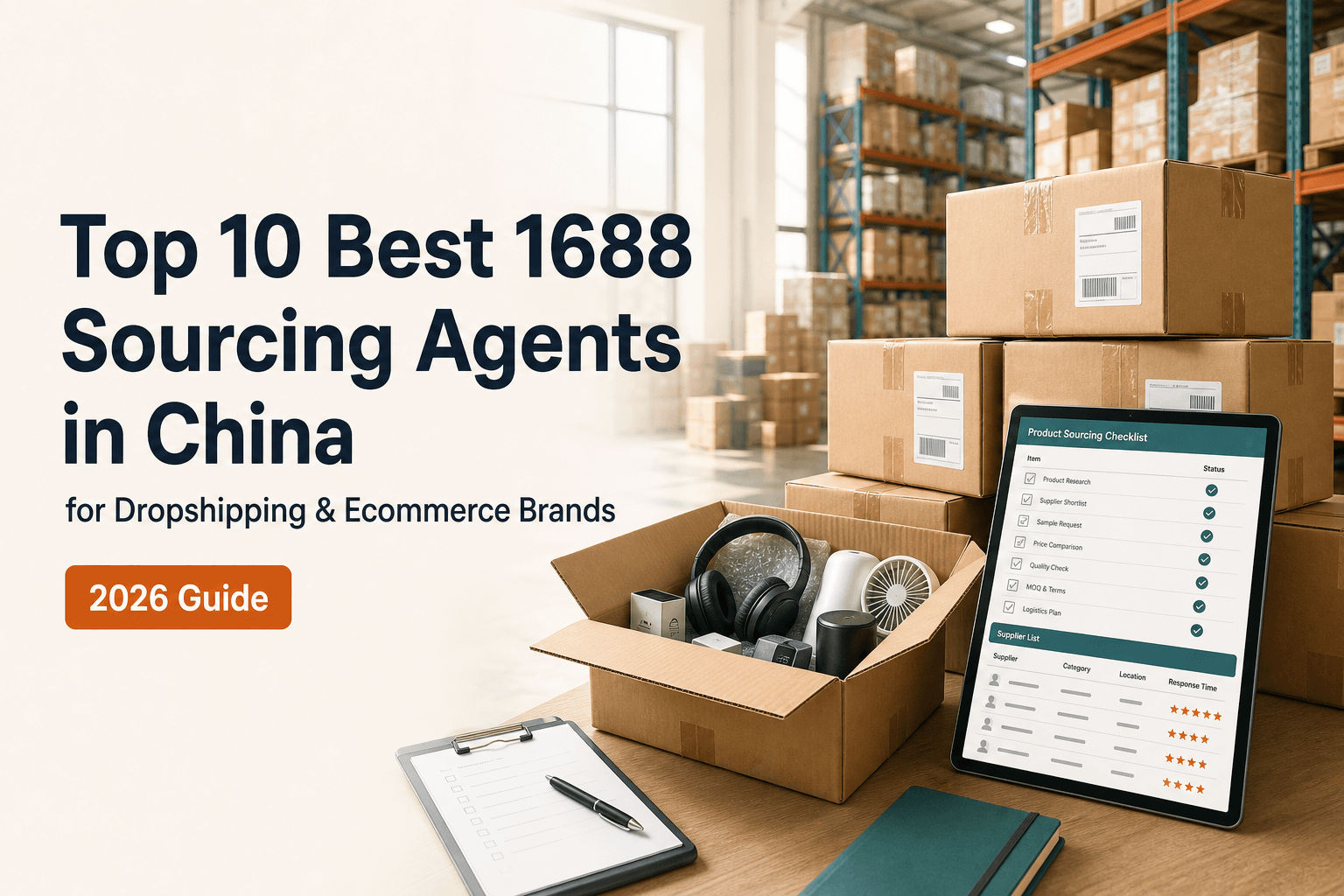
Different suppliers are suitable for different stages. Printful is suitable for print-on-demand products such as T-shirts, hats, tote bags, mugs, and posters. Spocket is more suitable for sellers who want to work with US or European suppliers. Syncee is useful for managing multiple supplier catalogs. CJdropshipping can be used for testing products and handling one-piece dropshipping from China. ETdropship is more suitable for sellers who already have a clear product direction and want support with product sourcing, purchasing communication, quality inspection, branded packaging, global shipping, and tracking number updates.
For beginners, I do not recommend relying on only one supplier from the beginning. In the early stage, you can use apps to test products and confirm market demand. Once a product begins to generate stable orders, you should look for a more reliable supply chain partner. At that stage, the most important question is not only whether the supplier can offer a lower price. You also need to know whether the supplier can provide stable stock, support branded packaging, process orders within 24 to 72 hours, provide reliable tracking updates, handle peak-season delays, and support replacements or refunds when problems occur.
Real Experience: Problems Usually Start After Orders Increase
In actual work with independent store sellers, I have seen many beginners start with a lot of excitement. The store is ready, the ad creatives are prepared, the first few orders come in, and the seller feels the product may be worth scaling. But the real pressure often begins when daily orders grow from a few orders to twenty or thirty orders.
I once worked with a seller who was testing a pet product. In the beginning, when there were only a few orders per day, the supplier processed orders quickly and usually provided tracking numbers within 24 to 48 hours. The ad click-through rate was good, add-to-cart behavior looked normal, and purchases were coming in. The seller thought the product had potential and increased the ad budget.
Then the problems started.
Once order volume increased, the supplier said that some colors were out of stock. Some orders received tracking numbers, but the tracking status did not update for several days. Customers began emailing to ask where their orders were. Customer service pressure increased quickly, and refunds started appearing.
At that moment, you realize that customers do not care whether you are dropshipping. They do not care why your supplier is out of stock. They only know that they paid, but they cannot see proper shipping updates. As a result, they start questioning whether the website is trustworthy.
Later, we divided the products into three groups: main products, test products, and backup products. Main products had to have confirmed stock, processing time, shipping channels, and backup suppliers. Test products were only promoted with small budgets and were not scaled too quickly. Backup products were prepared so that if the main product went out of stock, the seller could switch quickly without stopping the whole store.
This method is simple, but it prevents one supplier problem from damaging the entire store.
Another common issue is incorrect profit calculation. I have seen sellers focus only on the purchase price and think a product is cheap enough to promote. But after ads started running, they discovered that the packaging weight was higher than expected, which increased shipping costs. After adding ad costs and refunds, the real profit per order was very low.
Later, we recalculated the total landed cost for every SKU, including product cost, package weight, target country shipping, ad cost, and refund risk. Only then did we find that some products were suitable as traffic products but not as main profit products. The products worth promoting were usually those with higher average order value, manageable shipping weight, fewer after-sales issues, and room for bundle selling.
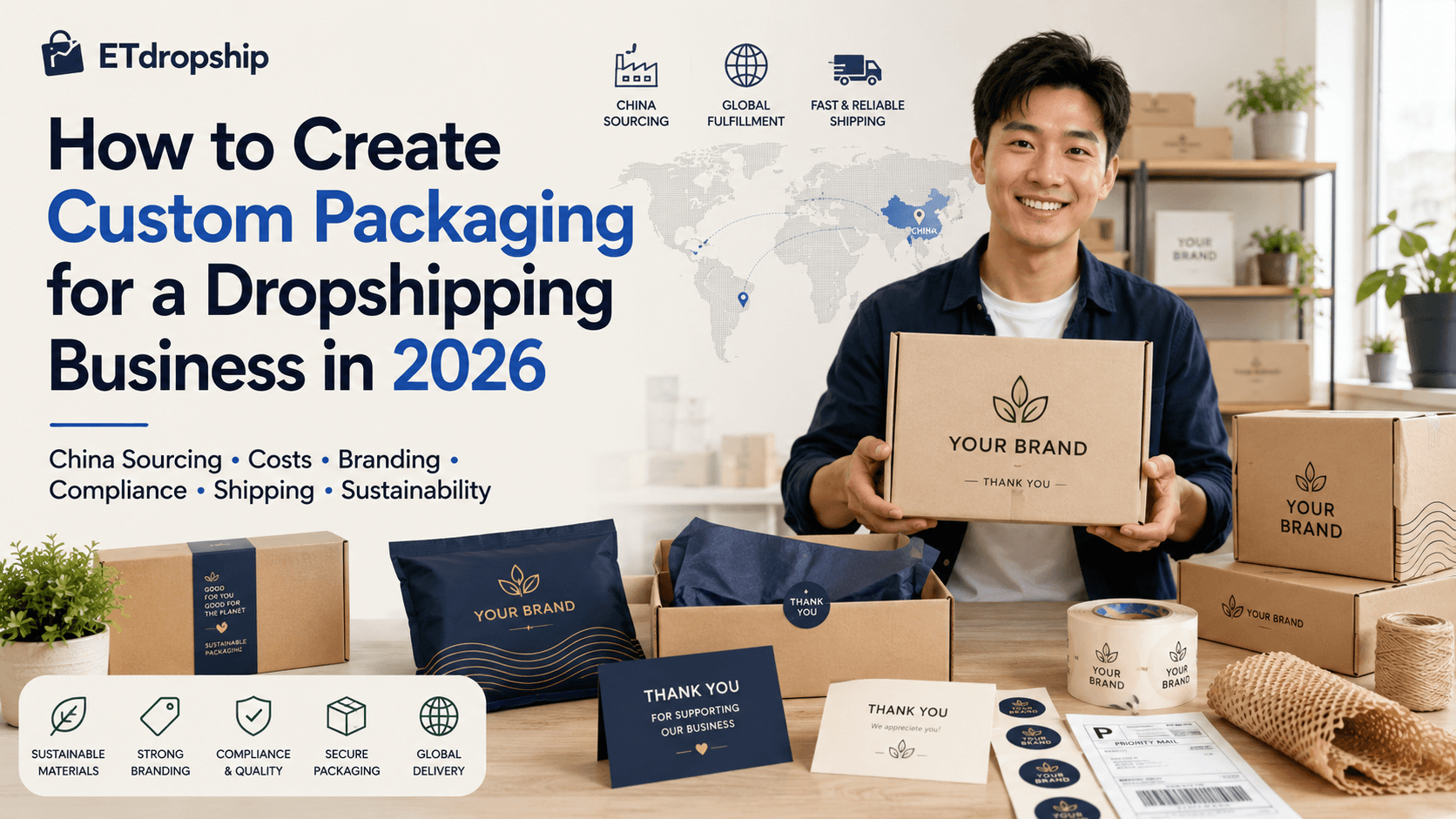
Brand packaging is another area beginners often ignore. Some sellers build a beautiful website that looks like a professional brand, but when customers receive the product, it comes in a plain transparent bag with no instruction card, no thank-you card, and no brand element. The experience gap is obvious. Later, instead of immediately doing high-MOQ deep customization, we started with low-cost branding methods such as thank-you cards, brand stickers, simple packaging bags, and instruction cards. This did not require heavy inventory, but it made customers feel that the store was operated seriously.
For a platform like BigCommerce, which is more suitable for brand-style independent stores, the front-end website and the back-end packaging experience need to match as much as possible. Otherwise, customers may buy once, but they are less likely to return.
How Beginners Should Test Their First Products
Beginners should not upload hundreds of products at the beginning. A more realistic approach is to choose 10 to 20 products and test them in a controlled way. Before uploading each product, confirm the supplier price, product weight, shipping method, processing time, and after-sales rules. For products you plan to promote seriously, it is better to order a sample first and check whether the real product matches the photos, whether the packaging is easy to damage, whether the tracking updates properly, and whether the delivery experience is acceptable.
When testing products, do not only look at whether orders are coming in. You need to check click-through rate, add-to-cart rate, checkout rate, customer questions, refund reasons, and shipping complaints. If a product gets many clicks but few purchases, the problem may be the price, product page trust, or shipping cost. If it gets purchases but also many refunds, the issue may be product quality or delivery time. If customers keep asking about size, material, or shipping time, your product page is not clear enough.
Once a product starts generating stable orders, you can consider increasing the ad budget, improving packaging, creating bundles, building email marketing flows, and writing SEO content. Dropshipping is not about moving as fast as possible. It is about verifying every step. Scaling ads before verifying the supplier is risky. Lowering prices before calculating profit can lead to more orders but less cash flow.
Marketing Strategy for BigCommerce Dropshipping in 2026
After building your BigCommerce store, you should not depend on only one marketing channel. Google Shopping is suitable for products with clear search intent, such as pet water bottles, kitchen organizers, beauty storage bags, and sports water bottles. Facebook and Instagram work better for products with strong visual appeal and lifestyle scenes, such as pet interactive toys, home organization products, holiday gifts, and beauty tools. TikTok is suitable for products that can be demonstrated quickly, such as before-and-after organization products, pet toy interactions, and travel packing demonstrations.
SEO is also worth doing, but beginners should not expect immediate results. You can write useful content around your product category, such as pet travel accessory guides, small kitchen organization ideas, travel makeup bag tips, and gift guides for pet owners. If a BigCommerce store can build long-term organic traffic through content, it will become more stable than a store that depends only on paid ads.
Email marketing should not be ignored either. Many beginners only send system emails after customers place orders. A more serious brand uses welcome emails, abandoned cart emails, shipping updates, delivery follow-ups, and repeat purchase offers to maintain customer relationships. If a dropshipping store wants repeat customers, it cannot only rely on ads to bring people in. It must continue communicating with customers after the first order.
Conclusion: BigCommerce Is Better for Sellers Who Want to Build Slowly and Steadily
In 2026, starting dropshipping on BigCommerce is not about uploading as many products as possible. It is about building and validating a small model first. Choose a clear niche, test a small number of products, confirm suppliers, calculate total landed costs, build trustworthy pages, run small-budget ad tests, handle the first batch of orders, and then scale based on real data.
BigCommerce is suitable for long-term operation, but it will not automatically solve product, logistics, supplier, and after-sales problems. What truly determines whether your store can make money is supply chain stability, product quality, fulfillment efficiency, brand experience, and profit structure.
Beginners should not chase overnight success. Start by handling a few orders per day smoothly, then move toward dozens or hundreds of orders. In the end, dropshipping is not about who uploads products the fastest. It is about who can make customers pay, receive their orders smoothly, and feel confident enough to buy again.
FAQ:
Can BigCommerce be used for dropshipping?
Yes. Sellers can build an independent store on BigCommerce and use suppliers, fulfillment partners, or dropshipping apps to handle product sourcing and order fulfillment. The key question is not whether BigCommerce can support dropshipping, but whether your supply chain is stable enough.
Is BigCommerce or Shopify better for beginners?
Shopify is usually easier for complete beginners because it has more tutorials and a larger app ecosystem. BigCommerce is better suited for sellers who want to build a brand-style independent store, manage more complex SKUs, or expand into multiple markets.
How many products should beginners upload at first?
It is better to start with 10 to 20 products instead of uploading hundreds. Too many products can make the store look unfocused and make it harder to manage product pages, suppliers, and fulfillment.
What is the most common problem in BigCommerce dropshipping?
The most common problems are supplier stock issues, slow tracking updates, incorrect cost calculation, and delayed customer support. Many stores do not fail because they have no traffic. They fail because fulfillment is unstable.
Is ETdropship suitable for BigCommerce sellers?
Yes, especially for sellers who need China-based supply chain support. ETdropship can help with product sourcing, purchasing communication, quality inspection, branded packaging, global shipping, and tracking number updates.