How to Start a Dropshipping Business in Denmark in 2026: A Complete Zero-Cost Guide
1. Why Denmark: A Smaller Market That’s Easier to Break Into
Most sellers instinctively gravitate toward large markets when choosing where to start—such as the United States, Germany, or the United Kingdom. But after actually operating in these regions, a common issue becomes clear: traffic exists, but conversions are difficult, especially for new stores.
The problem is not the product, but the environment.
Denmark is the opposite. It is not a market driven by sheer volume, but one where users have already completed the “education phase.” In other words, consumers are fully accustomed to shopping online. They no longer question whether they should buy online, but instead move directly to the next step—whether the website is trustworthy.
This step may seem simple, but it is more sensitive for new sellers.
Because in Denmark, users will not give you a chance just because your price is low, nor will they tolerate you just because you are new. They scan your page quickly and make a judgment: does this look like a legitimate business?
Many cross-border stores fail at this exact point.
The pages themselves may not be bad, but small details reveal issues: inconsistent images, translation-like copywriting, vague shipping descriptions, and template-like policies. Individually, these issues seem minor, but together they create a strong “non-local” impression.
In Denmark, that impression often leads to immediate exit.
So rather than calling it an “easy market,” it is more accurate to say it is a market where details matter more and differentiation is clearer. If the fundamentals are done right, new sellers can enter. But if you rely on a traditional dropshipping approach, it will be difficult to sustain.
2. Changes in 2026: Traffic Is Shifting from Search to Content
A few years ago, the typical eCommerce journey in Denmark was still “search → compare → purchase.” But in recent years, a clear shift has occurred: many purchasing decisions now begin before search.
Users are not looking for products first—they are discovering needs through content.
This shift is not just about channels; it changes where conversions begin.
Content Is No Longer Just Traffic—It Filters Buyers
On platforms like TikTok and Instagram, the most consistently performing content is not direct product promotion, but natural integration into real-life scenarios.
For example, a storage product shown as a simple feature demo performs poorly. But when presented as a “before vs. after” transformation, users immediately understand its value.
The key difference is subtle but critical:
Users are not being convinced—they are reaching conclusions themselves.
This matters even more in Denmark. Users dislike being sold to, but they accept logical, relatable information.
The Real Metric: Comments, Not Views
A common mistake is focusing on views. In reality, the most valuable signal is the comment section.
Indicators of real demand include:
“Where can I buy this?”
“I need this”
“Send me the link”
When these appear, the content has moved beyond entertainment into demand.
Without these signals, even high views rarely convert.
This stage determines whether everything that follows is worth doing.
3. Policies and Regulations: The Hidden Factor Behind Conversions
Many sellers treat policies as backend necessities, but in Denmark, they directly affect front-end conversions.
Because before paying, users quickly assess risk—and policy presentation is part of that evaluation.
VAT: A Transparency Issue, Not a Cost Issue
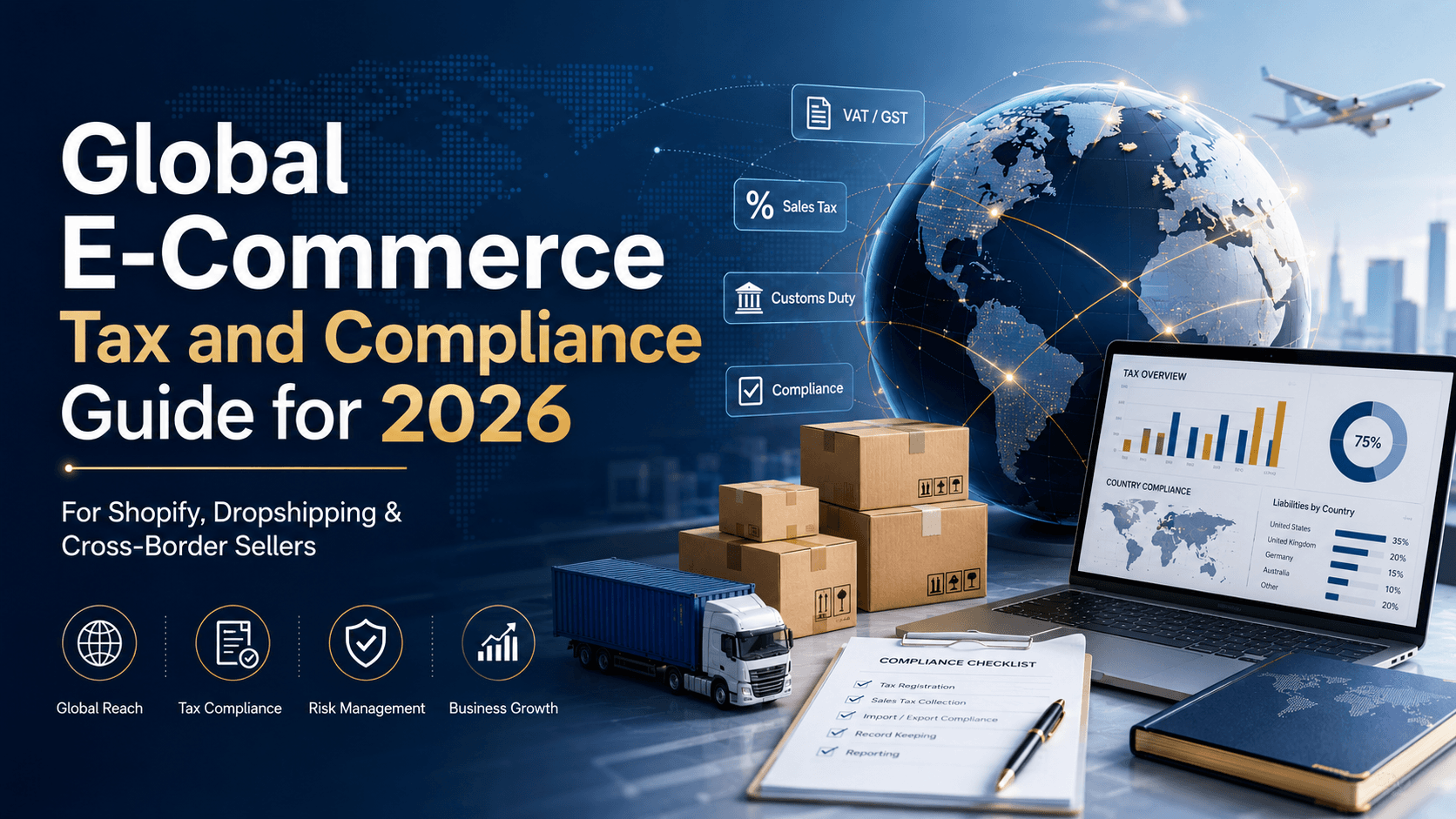
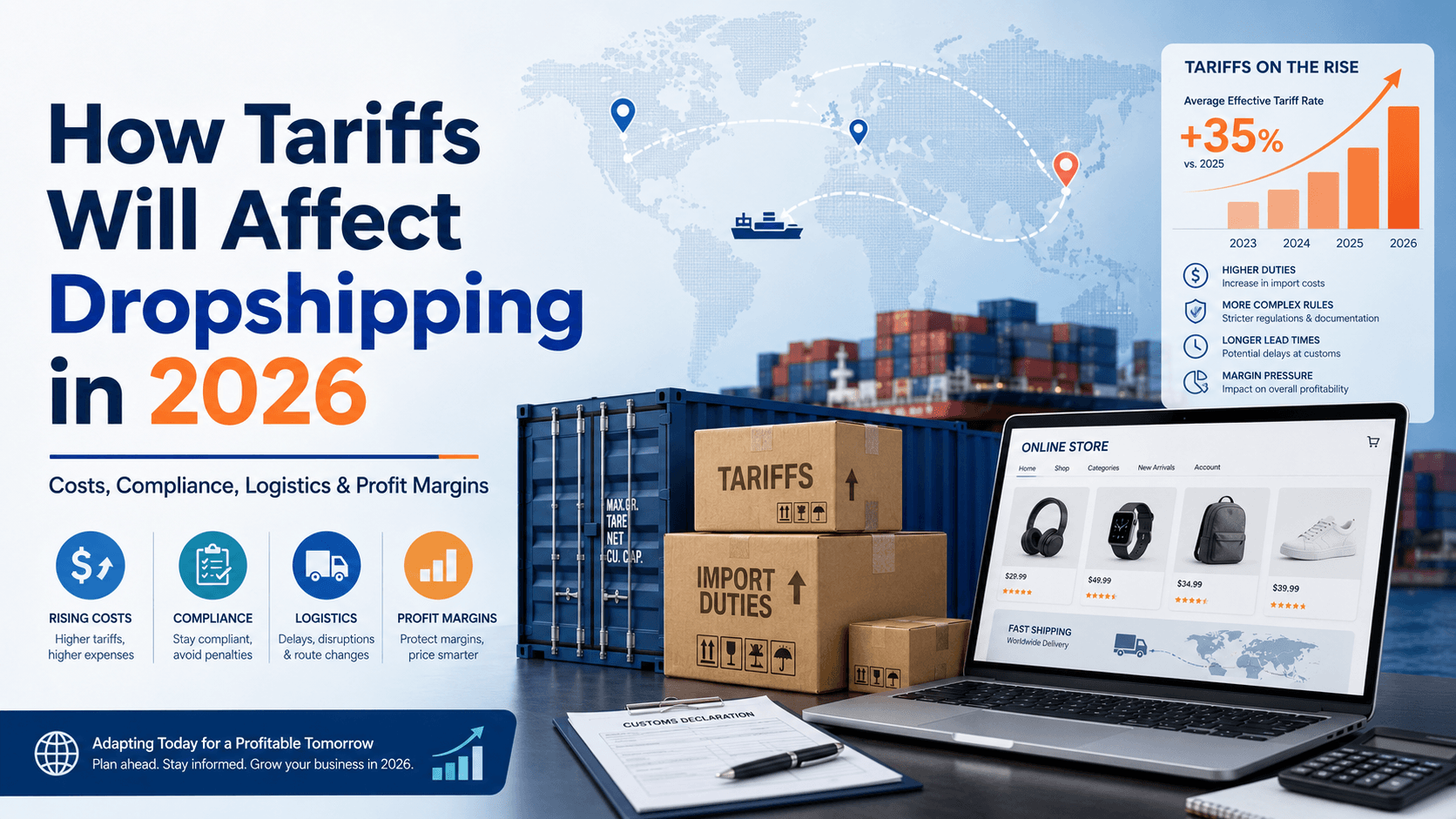
Denmark’s VAT is 25%. The issue is not the tax itself, but whether users know about it in advance.
A common scenario:
No tax information is shown, and users are charged extra upon delivery, leading to rejection.
This results in:
Shipping losses
Payment processing fees
Wasted ad spend
More importantly, the customer is lost permanently.
In contrast, stores that clearly state tax information convert better—even at higher prices—because expectations are managed upfront.
Return Policies Reduce Decision Pressure
Users do not read return policies because they plan to return items. They read them to confirm one thing:
If something goes wrong, do I have a way out?
This is why clarity matters more than length.
Instead of long legal text, clearly state:
That returns are possible
How to return
The time frame
This alone significantly reduces hesitation.
4. Logistics: Predictability Matters More Than Speed
Logistics is often oversimplified. Many sellers focus on speed, but in Denmark, users care more about one thing:
Can you deliver within the time you promised?
Managing Expectations Is Key
If you promise 5–7 days but deliver in 10, trust is broken.
If you promise 8–12 days and consistently meet it, users accept it.
Users tolerate waiting—but not uncertainty.
Real Issues in Cross-Border Fulfillment
The main issue is not average delivery time, but inconsistency:
Some orders arrive in 7 days, others in 15
Tracking updates are delayed
Last-mile delivery varies
These problems quickly lead to complaints and refunds.
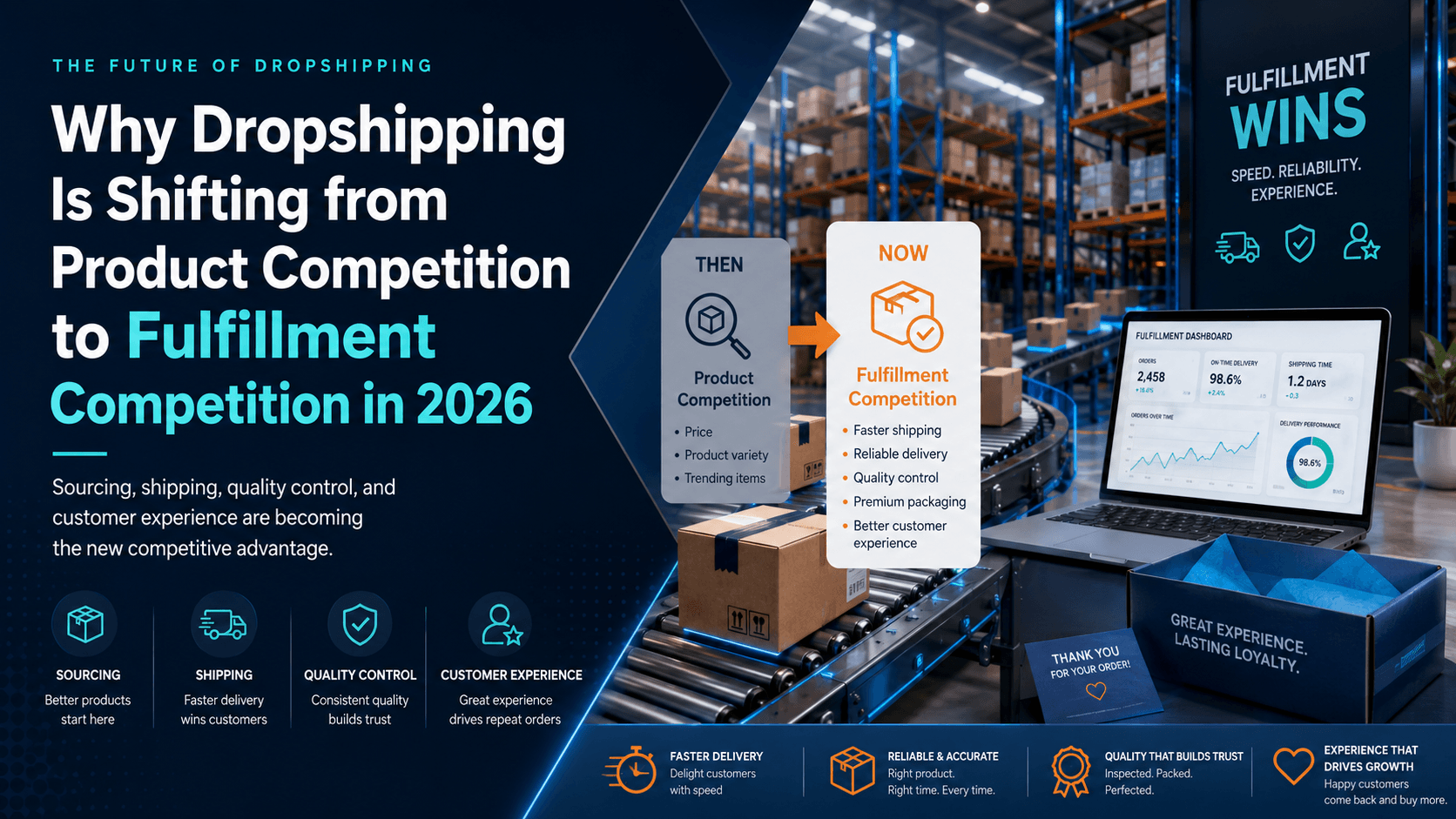
Many sellers respond by changing products, but the issue is often fulfillment, not demand.
A More Practical Optimization Order
Instead of chasing faster delivery:
Make delivery times accurate and achievable
Reduce delays
Only after that should you focus on speed improvements.
5. Platforms vs. Independent Stores: Control Determines Ceiling
Platforms seem easier for beginners, but the barrier is not technical—it is trust.
Platforms rely on historical data, which new sellers lack.
This means you are not just selling a product—you are proving credibility first.
Independent stores offer a different advantage:
👉 You control the first impression.
You decide:
Visual presentation
Information structure
User journey
In a trust-driven market like Denmark, this control is critical.
The Real Role of a Store
It is not a showcase—it is an explanation tool.
Users are looking for answers:
Is this product right for me?
How long will delivery take?
What happens if there is a problem?
If these are not clearly addressed, conversions drop.
6. Dropshipping in Denmark: From Selling Products to Building Presence
Simple product reselling rarely works in Denmark.
A more realistic approach is to create the impression of a legitimate, existing brand.
Front-End: First Impressions
Users make judgments within seconds.
Key factors include:
Clean layout
Consistent imagery
Lack of aggressive promotions
In Nordic markets, restraint builds trust.
Mid-End: Supply Chain Stability
Issues often arise after multiple orders:
Inconsistent quality
Packaging variations
Size discrepancies
These quickly affect reviews.
Back-End: Responsiveness Builds Trust
Users expect quick responses—not instant solutions.
Even a simple acknowledgment reduces frustration.
7. Localization: Reducing Cognitive Friction
Localization is not translation—it is reducing uncertainty.
Design Preferences
Nordic users prefer:
Minimalism
White space
Clear structure
Too many visual elements reduce trust.
Payment Methods (Critical)
Local payment options strongly affect conversions:
MobilePay
Klarna
Without them, hesitation increases.
Language Strategy
Full translation is not required, but key pages (product, checkout) should be localized to reduce friction.
8. From Zero to First Orders: A Realistic Execution Path
Successful execution is not complex—it is consistent.
Start with Content Validation
Confirm demand before building everything.
Build a Functional Store
Not perfect—but complete.
Test Your Own Order (Critical)
This reveals most issues early.
Small-Scale Testing
Focus on validation, not profit.
Optimize, Don’t Restart
Most problems are communication issues, not product issues.
9. Case Study: A Real Optimization Process
A pet product initially had strong content engagement but low conversion.
Issues identified:
Insufficient information
Unclear shipping
Lack of real usage context
After optimization:
Added real-life images
Clarified delivery time
Expanded FAQs
Conversion increased from under 1% to nearly 3%.
No product change—only structural improvements.
10. Back to the Title: What “Zero Cost” Really Means
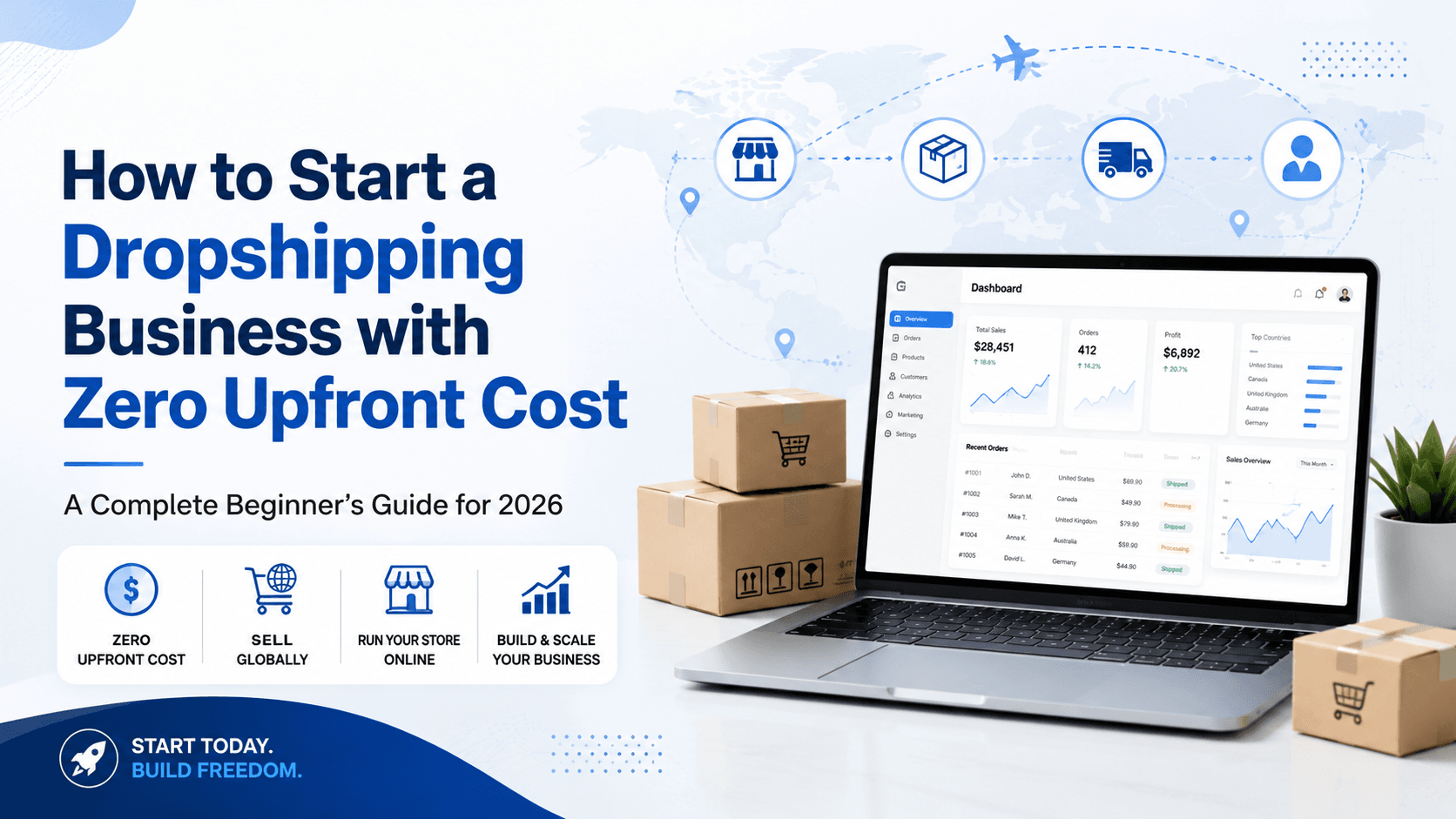
“Zero cost” does not mean no spending—it means avoiding waste.
No inventory, no over-scaling, no blind investment.
Denmark does not offer explosive growth, but once the structure works, it becomes highly stable.
The key is not a single factor, but consistency across:
Content → Page → Logistics → Support
When these align, the store is no longer seen as a dropshipping site, but as a trustworthy business.