How to Add Dropshipping Products to Your Shopify Store in 2026
Introduction: Shopify Dropshipping Is Entering a More Refined Stage
In 2026, Shopify dropshipping is no longer just about uploading product images, setting a price, and waiting for orders to come in. In the past, many new sellers entered the market by relying on low-cost products, simple ads, and supplier-direct fulfillment. But as competition becomes stronger, customers now expect better product pages, clearer shipping information, stronger brand trust, and more reliable after-sales support.
From a broader market perspective, ecommerce still has strong growth potential. Global online retail continues to expand, and more customers are becoming comfortable purchasing products from independent online stores. At the same time, ecommerce competition is also becoming more professional. Brand differentiation, authentic content, customer experience, and AI-driven operations are becoming increasingly important for online sellers.
For Shopify sellers, adding a product to a store is no longer just a technical backend task. It is part of the full product presentation process. Whether a customer understands, trusts, and eventually buys a product depends heavily on the product title, images, pricing, description, variants, shipping information, and page structure.
This is especially true in the dropshipping model. Sellers usually do not hold inventory themselves. Instead, they rely on suppliers or fulfillment partners to handle sourcing, quality inspection, packaging, and shipping. Before adding a product to a Shopify store, sellers need to consider not only whether the product is trending, but also whether it is suitable for dropshipping, whether the supply chain is stable, whether shipping times are acceptable, and whether the after-sales risk is manageable.
Many new sellers fail not because they do not know how to use Shopify, but because they do not prepare properly before launching products. They may copy supplier titles directly, use low-quality images, ignore SKU and variant setup, or skip the test order process. As a result, even though the product is published successfully, the store may still suffer from low ad conversion, customer complaints, fulfillment mistakes, and poor long-term performance.
That is why in 2026, the first step to building a successful Shopify dropshipping business is not uploading as many products as possible. It is learning how to add dropshipping products to your store in a professional and strategic way.
The Market Potential of Dropshipping in 2026
Many sellers ask the same question: is dropshipping still worth it in 2026?
The answer is yes, but not in the same way as before. Traditional low-quality dropshipping is becoming harder, while professional, branded, and well-managed dropshipping still has strong potential.
The biggest advantage of dropshipping remains the low inventory pressure and flexible product testing model. For new sellers, it allows them to test different products, markets, and ad angles without investing heavily in stock at the beginning. For more mature sellers, dropshipping can also be used for new product testing, inventory support, long-tail product fulfillment, and international market expansion.
However, future dropshipping opportunities will not belong to sellers who simply copy products from suppliers. They will belong to sellers who understand product positioning, branding, supply chain management, and customer experience.
In the past, many dropshipping sellers relied on low-cost products and quick ad testing to find winning items. Today, customers are more careful. They look at whether the product page is professional, whether the brand looks trustworthy, whether shipping times are clear, and whether the return policy feels reliable. If a store looks temporary and the product description feels copied from a supplier website, customers are much less likely to place an order.
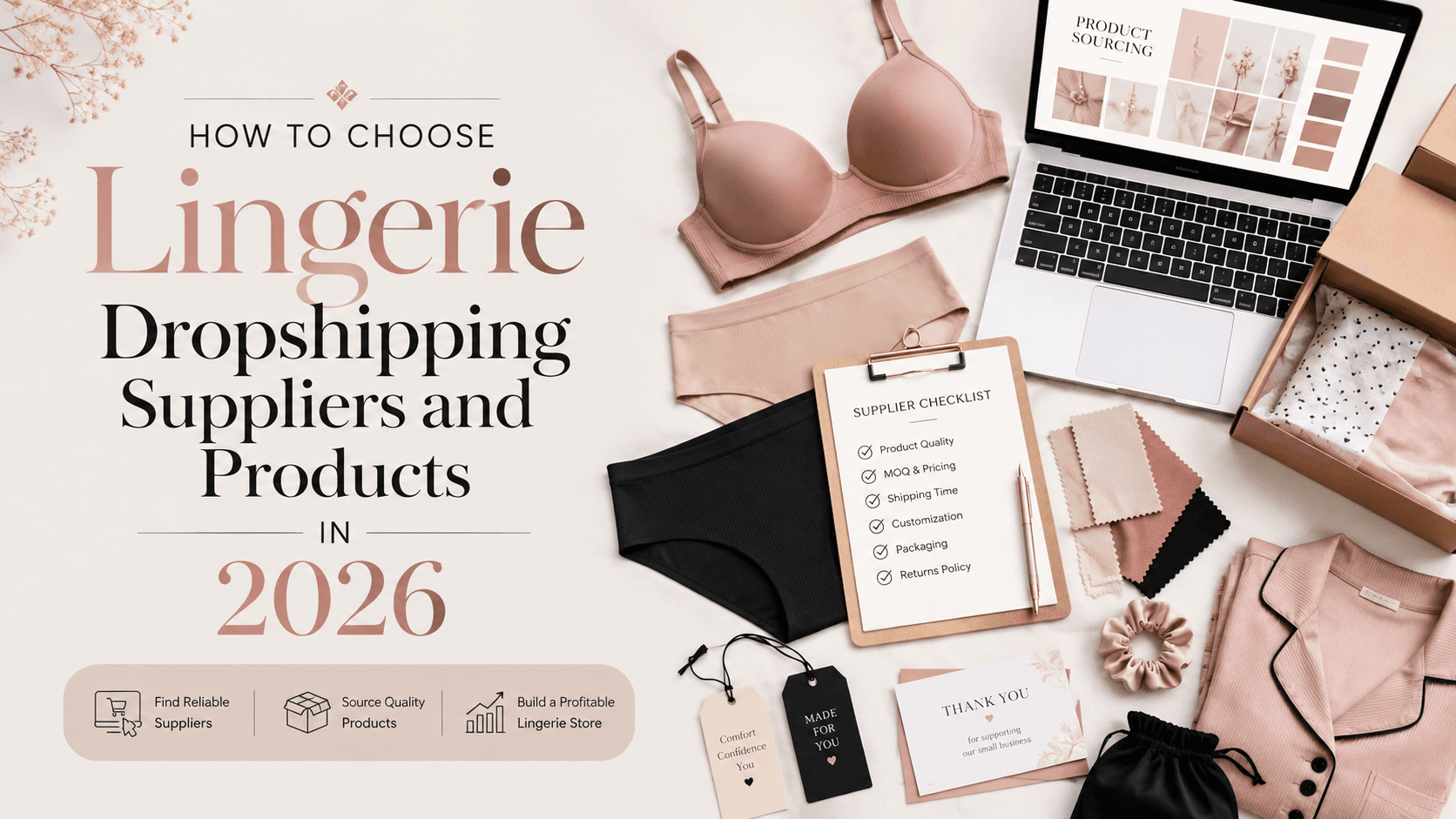
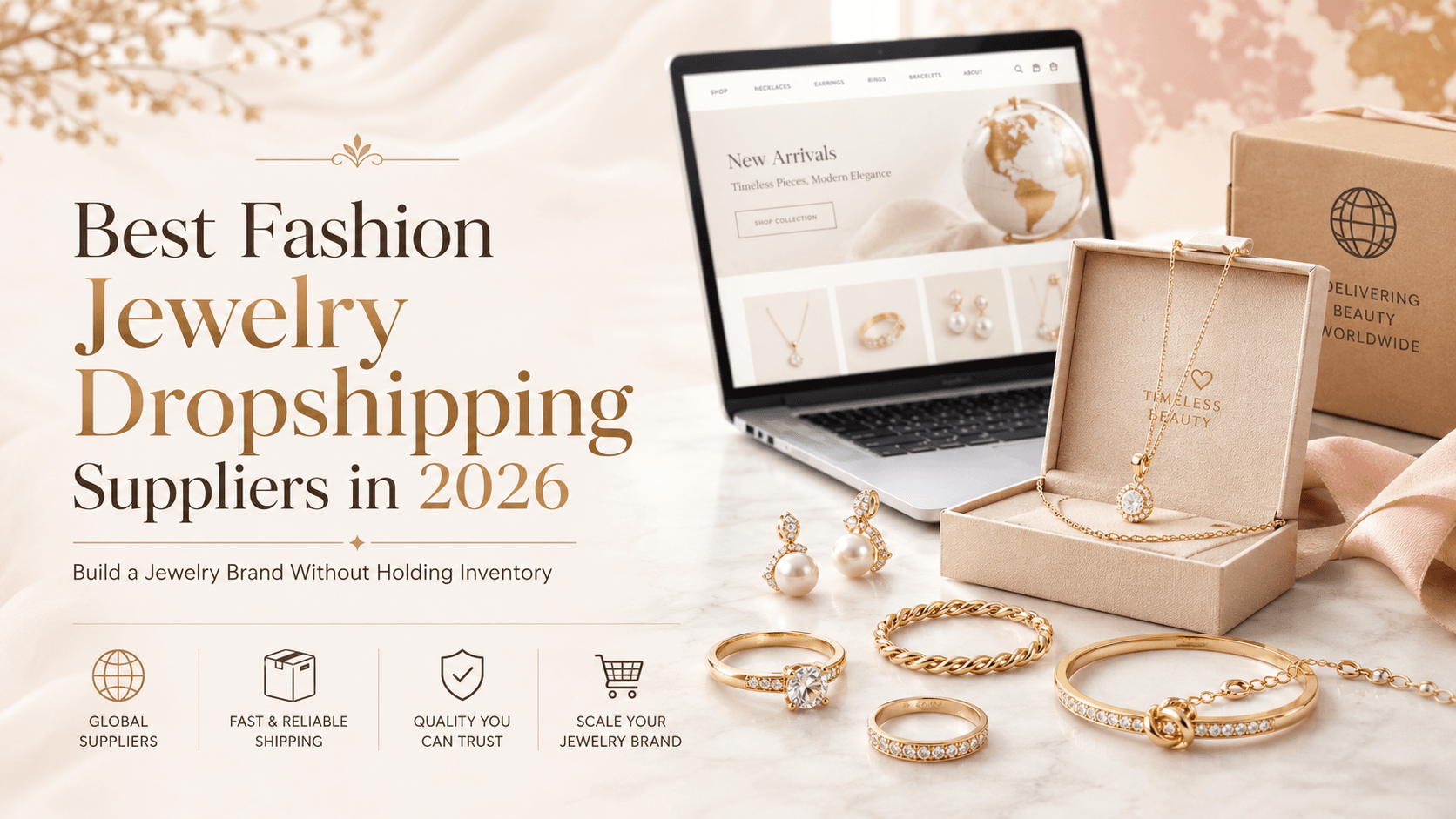
The most promising dropshipping opportunities in 2026 are likely to appear in niche categories, branded packaging, product bundles, personalized products, automated fulfillment, and stable supply chains. Categories such as pet products, fashion jewelry, home decor, lingerie, smart toys, and personalized gifts all have room for higher margins when supported by better product pages and stronger branding.
In other words, dropshipping is not dead. The way sellers compete has changed. Low-price competition is becoming harder, while branding, fulfillment quality, and customer experience are becoming more important.
Why Product Listing Quality Directly Affects Shopify Conversion Rates
Many beginners think adding a product is a simple task: upload images, write a title, enter a price, and click publish. In reality, this step directly affects ad costs, conversion rates, refund rates, and customer trust.
When a customer clicks from a Facebook, TikTok, Google, or Instagram ad and lands on a Shopify product page, they often decide within seconds whether the website feels trustworthy. If the main image is unclear, the title sounds unnatural, the description feels empty, or the shipping time is vague, the customer may leave immediately.
The weaker the product page, the easier it is to waste ad spend. You pay to bring visitors to the store, but the page fails to convince them to buy. On the other hand, a clear, professional, and persuasive product page can reduce hesitation, increase add-to-cart rates, and improve checkout conversions.
For dropshipping sellers, product listing quality also affects after-sales risk. If variants are confusing, customers may choose the wrong color or size. If shipping times are unclear, customers may start asking for updates soon after placing an order. If the product description overpromises, customers may request refunds after receiving the product.
Professional product listing is not just about making the page look better. It is about reducing operational risk and improving conversion efficiency.
Supply Chain Review and Product Feasibility Before Listing
Before adding a product to your Shopify store, the first step is to determine whether the product is truly suitable for dropshipping.
A product should not be judged only by its supplier price or by whether other sellers are advertising it. You need to confirm whether the product has stable supply, whether it is easy to damage during shipping, whether it has clear image materials, whether it is likely to cause after-sales problems, whether it can be shipped to your target countries, and whether the shipping time is acceptable to customers.
Some products may appear profitable but are not suitable for beginners. Oversized, overweight, fragile, complex, high-return, or certification-sensitive products can create many problems later. In dropshipping, the seller does not directly control the inventory. If the supplier ships slowly, uses poor packaging, or provides inconsistent quality, the store owner still has to deal with the customer complaints.
Products that are generally more suitable for Shopify dropshipping tend to be moderately sized, lightweight, visually appealing, easy to explain through images or short videos, and suitable for product bundles or branded packaging.
For example, pet toys can be sold as multi-piece sets, fashion jewelry can be upgraded with gift packaging, home decor items can be grouped by design style, and personalized gifts can be promoted around holidays. These products are not just single items. They can be positioned through scenes, packaging, and bundles to increase average order value.
If you work with a dropshipping fulfillment partner such as ETdropship, it is better to confirm the sourcing cost, shipping cost to target countries, fulfillment time, one-piece dropshipping availability, branded packaging options, and backup supplier availability before listing the product. This helps avoid situations where a product starts getting orders but the supply chain cannot support stable fulfillment.
Product Content Preparation: Turning Supplier Information into Sales-Ready Content
Many new sellers directly copy product titles and descriptions from supplier platforms. This is one of the most common mistakes in dropshipping.
Supplier content is usually written for wholesale buyers, not end consumers. It may mention material, specifications, weight, or packaging quantity, but it usually does not explain why the customer needs the product or answer the questions customers have before buying.
Before uploading a product, sellers should prepare a complete product content package. This should include the product title, English product description, main image, lifestyle images, detail images, size chart, package contents, SKU, variants, product cost, shipping cost, suggested selling price, target countries, and after-sales notes.
The product title should be clear and natural. It should include the main keyword and the main use case. For example, instead of writing “Pet Toy,” a better title would be “Interactive Bouncing Pig Pet Toy for Dogs and Cats.” This makes it easier for customers to understand the product quickly and also works better for ad landing pages.
Product images should be clean and clear. Ideally, the product page should include a main image, lifestyle image, detail image, size image, and packaging image. If the supplier images are low quality, you can ask your fulfillment partner to take new sample photos or at least improve the main image background and display angle.
The product description should not simply list specifications. It should focus on customer concerns. What problem does the product solve? Who is it suitable for? What are the core selling points? How is it used? Is it suitable as a gift? How long does shipping take? What is included in the package?
A good product content package is not only useful for Shopify listing. It also supports ad campaigns, email marketing, customer service replies, and after-sales handling.
Shopify Product Listing Method One: Manually Creating a High-Quality Product Page
If you are just starting a Shopify store and only have a small number of products, manually adding products is usually the safest option. It may take more time, but it allows you to check the title, images, pricing, description, and variants one by one.
The general process is simple. Go to your Shopify admin, click Products, then click Add product. On the product page, you can add the title, description, images, price, inventory, SKU, product type, vendor, tags, category, and sales channels.
For beginners, it is better not to publish the product immediately. You can set the product status to Draft first. After checking the product page, images, pricing, shipping information, and test order process, you can publish it to your online store.
When manually listing products, the most important part is checking the details. Is the title natural and keyword-friendly? Is the main image clear and suitable for ads? Does the price include product cost, shipping cost, ad cost, and profit margin? Does the description answer the questions customers may have? Are the variants correct? Is the SKU easy for supplier coordination? Are the shipping countries and delivery times clear?
If these basics are not handled properly, the product may be published, but it will still struggle to convert.
Shopify Product Listing Method Two: Importing Product Data with CSV
When you have many products or when your supplier or fulfillment partner provides a complete product spreadsheet, you can import products into Shopify using a CSV file.
CSV import is useful when you need to upload many products or manage complex SKU data. It can save time, especially when you already have standardized product information.
The general process is to go to the Products section in Shopify, click Import, upload the prepared CSV file, and follow the system instructions to complete the import.
However, while CSV import is efficient, it is also more likely to create errors. Common issues include broken image links, duplicate handles, incorrect variant formatting, wrong price columns, messy inventory fields, and inconsistent product categories.
For beginners, it is not recommended to upload dozens of products in bulk at the very beginning. A safer approach is to manually upload three to five core products first, confirm that the page structure and pricing logic are correct, and then use CSV import for more similar products.
If you ask a dropshipping fulfillment partner to help prepare product data, you can request a standardized table that includes product title, English description, SKU, variants, sourcing cost, suggested selling price, weight, image links, package size, fulfillment time, and shipping price by target country. This will make the Shopify import process much smoother.
Shopify Product Listing Method Three: Syncing Products Through a Dropshipping System
In addition to manual listing and CSV import, many sellers use dropshipping apps or fulfillment systems to sync products to Shopify.
This method is more suitable for sellers who already have a stable supply chain, growing order volume, or a need to reduce manual work. Once the system is connected, products can be synced from the fulfillment system to Shopify. Orders can also be automatically synced from Shopify to the fulfillment system, where the fulfillment partner handles sourcing, quality inspection, packaging, shipping, and tracking number updates.
For a fulfillment partner like ETdropship, system syncing is more suitable for sellers who already have a clear product direction and want to build a long-term branded business. After connecting the Shopify store, orders can sync automatically, and tracking numbers can be sent back to the store. Sellers do not need to manually copy customer addresses, place supplier orders, and upload tracking numbers every day. Instead, they can spend more time on advertising, page optimization, and customer communication.
However, sellers should not fully rely on default synced content. Even if the fulfillment partner provides product information, you should still optimize the title, image order, selling points, and FAQ based on your own brand positioning. The same product can perform very differently depending on the target customer, ad angle, and brand message.
Product Pricing Strategy: Balancing Cost, Profit, and Conversion
Many beginners set prices by simply multiplying the sourcing cost by two or three. This method is easy, but it is not always accurate.
The selling price of a Shopify dropshipping product should consider product cost, international shipping cost, payment processing fees, ad cost, after-sales cost, discount space, and target profit margin. If you only look at the sourcing cost, you may think the product is profitable when it is actually losing money after advertising.
For example, if a product costs $4 and shipping costs $3, the basic cost is $7. If you sell it for $14.99, it may seem profitable. But if your customer acquisition cost is $8, plus payment fees, refund risk, and customer service cost, your real profit may already be very low.
A better approach is to plan three types of pricing when listing the product: regular price, compare-at price, and bundle price.
The regular price is used for normal sales. The compare-at price can create a discount impression, but it should not be exaggerated. The bundle price can increase average order value, such as buy two and save more, buy three with free shipping, family packs, or gift sets.
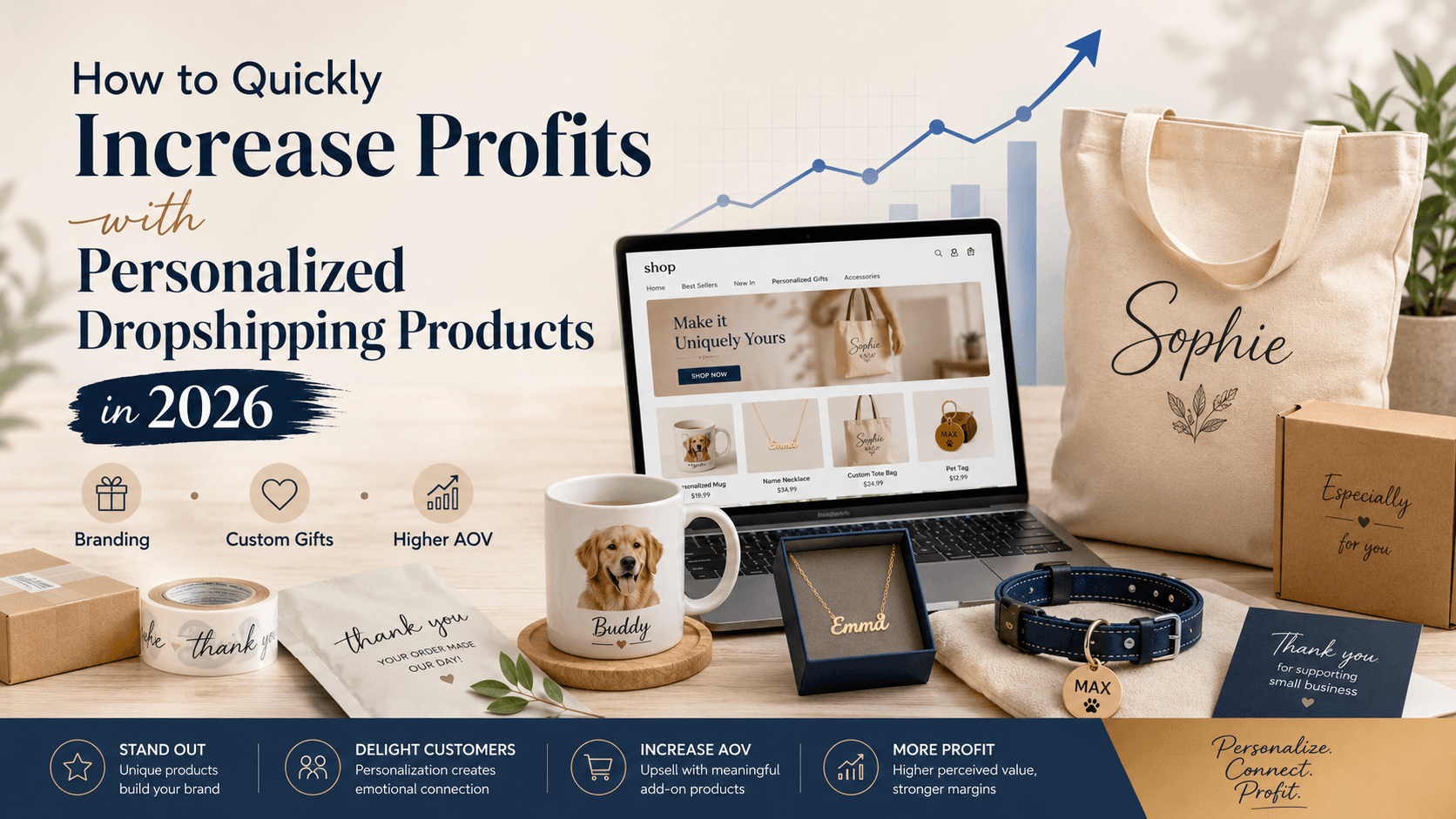
For products that support branded packaging or personalization, sellers can also add brand value. For example, a basic version may sell for $19.99, a gift box version for $29.99, and a version with branded cards and custom packaging for $34.99. In this way, the seller is not simply competing on price, but increasing profit through packaging, experience, and positioning.
SKU and Variant Management: Reducing Fulfillment Errors and After-Sales Risk
If a product has multiple colors, sizes, or styles, the variants must be set up correctly in Shopify.
Variant setup may look like a small backend task, but it directly affects customer ordering experience and fulfillment accuracy. If color names are confusing, variant images do not match, or size information is unclear, customers may select the wrong option, leading to more after-sales issues.
Products such as clothing, lingerie, socks, pet products, home decor, and fashion jewelry often include different sizes, colors, or styles. Each variant should have a clear name, such as Black / S, Black / M, or Beige / L, instead of supplier codes like 01, 02, or 03.
SKU naming is especially important. When orders sync to the fulfillment system, the supplier or fulfillment partner needs to identify exactly which color, size, or bundle the customer purchased. If the SKU structure is messy, the risk of shipping the wrong item increases.
Before uploading products, it is best to confirm the SKU rules with your supplier or fulfillment partner. A simple structure can be product abbreviation plus color plus size, such as SOCK-BLK-M, PETPIG-PINK, or BRA-BEIGE-L. This makes both manual processing and system syncing much clearer.
Product Description Optimization: From Specification Listing to Purchase Motivation
A good Shopify product description should not only explain what the product is. It should also explain why the customer should buy it now.
Many dropshipping product pages have low conversion rates not because the product is bad, but because the page does not build enough trust. When customers land on the page, they may not see clear selling points, real use cases, shipping information, or after-sales reassurance. Without these details, they are less likely to place an order.
A product description can be written based on the customer decision-making process.
Start with a short paragraph explaining the core value of the product. What problem does it solve? What situation is it suitable for? Why is it more useful than a regular alternative?
Then explain the main features and benefits. Avoid using too many empty adjectives. Instead, write in language that customers can easily understand.
For example, for a pet toy, do not simply write “high-quality material and cute design.” A better description would be: “Designed for pets to play independently at home, the bouncing motion helps encourage movement, while the soft material is gentle on teeth.”
Next, clearly explain the specifications and package contents, including size, color, material, weight, and what is included. Finally, provide shipping and after-sales information, such as processing time, estimated delivery time, tracking availability, and what customers should do if there is a product issue.
To improve conversion further, you can add a FAQ section to the product page. Questions such as “Is this suitable for large dogs?”, “Can it be washed?”, “Does it support gift packaging?”, and “How long does shipping take?” can reduce customer uncertainty before purchase.
Product Categories and Collection Structure: Improving Store Navigation
After uploading a product, do not leave it isolated in the backend. It should be placed in the right collection so customers can find it through the navigation menu, homepage sections, and product recommendation areas.
For example, pet toys can be placed under Pet Toys, Best Sellers, New Arrivals, or Gifts for Pet Lovers. Home decor can be placed under Home Decor, Living Room, Gift Ideas, or Trending Products. Fashion jewelry can be placed under Earrings, Necklaces, Personalized Jewelry, or Valentine Gifts.
Collections are not only for organizing products. They also help with marketing. You can create collection pages around different customer groups, holidays, and use cases, such as Mother’s Day Gifts, Summer Essentials, TikTok Trending Products, or Personalized Gifts Under $30.
For dropshipping sellers, collection pages can also help increase average order value. When customers enter one product page and see related products, they may continue browsing and buy additional items. For example, someone who buys a pet toy may also buy a pet brush, pet blanket, or pet collar.
The clearer your store structure is, the smoother the shopping experience becomes, and the more value you can get from paid traffic.
Test Order Process: Fulfillment Verification Before Paid Promotion
Many new sellers upload products and start running ads immediately without placing a test order. This is risky.
A test order helps you find problems that are not visible from the backend. For example, you can check whether the price is correct, whether discount codes work, whether shipping fees display properly, whether the payment flow is smooth, whether the order syncs to the fulfillment system, whether the customer address is complete, whether the tracking number can be sent back, and whether email notifications are working.
If you work with ETdropship or another fulfillment partner, it is highly recommended to place a test order before promoting the product. Let the fulfillment partner process the order as a real order, from order sync, sourcing, quality inspection, packaging, and shipping to tracking number update.
This allows you to identify problems early instead of waiting for real customers to complain.
A test order can also help you inspect packaging quality. If you plan to use branded packaging such as custom bags, logo labels, thank-you cards, instruction cards, or gift boxes, it is best to receive a sample first. The package your customer receives is a direct reflection of your brand image.
Product Data Monitoring and Continuous Optimization After Launch
Adding a product to Shopify does not mean the work is finished. Real optimization starts after the product goes live.
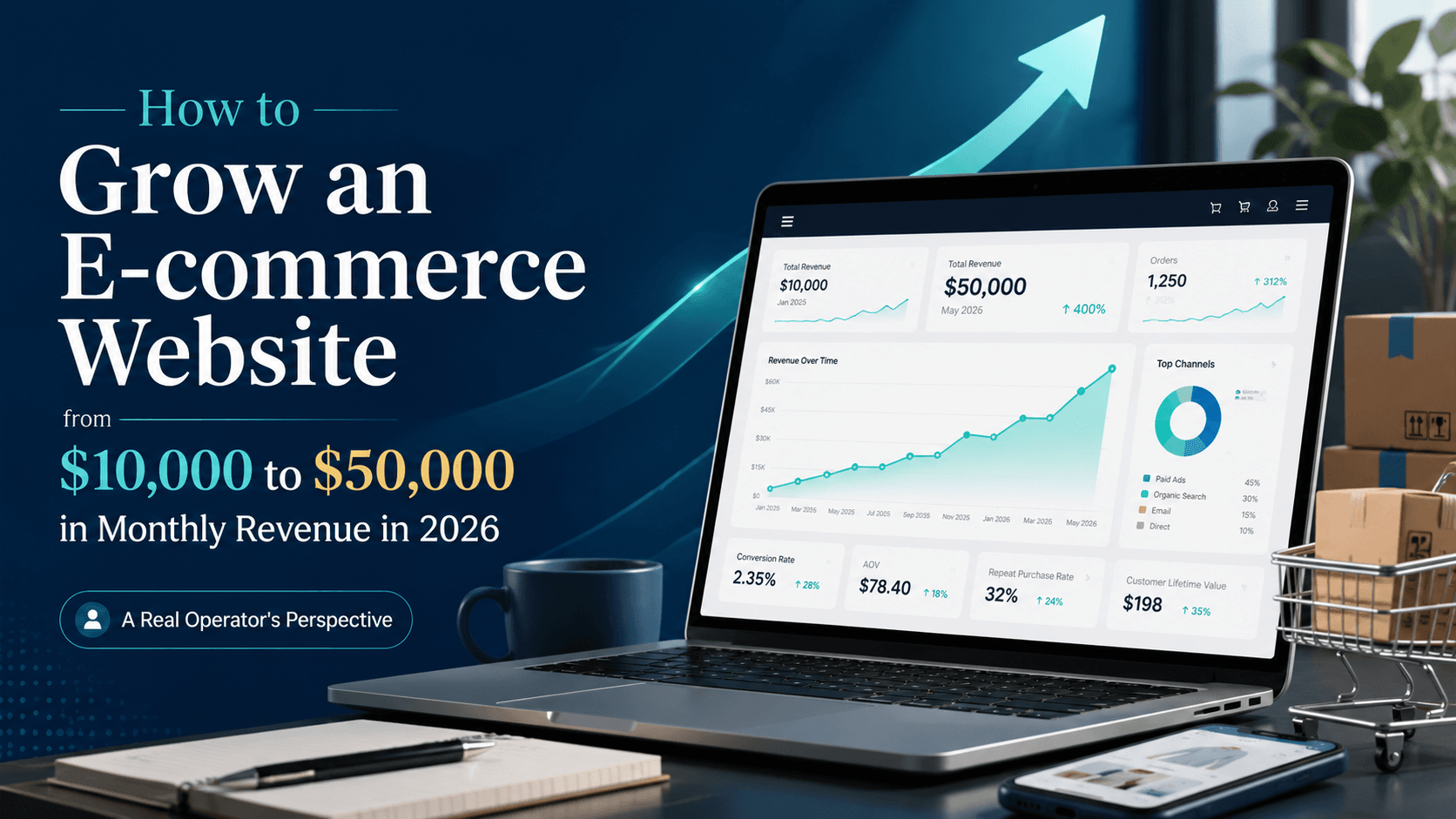
You need to monitor page views, add-to-cart rate, checkout rate, conversion rate, refund reasons, and customer feedback. If a product receives many visits but few add-to-carts, the issue may be the images, price, or first-screen selling point. If many customers add to cart but do not complete checkout, the problem may be shipping cost, checkout experience, or lack of trust. If many customers request refunds after purchase, the issue may be shipping time, product quality, or inaccurate description.
Many successful Shopify sellers do not find the perfect product from the beginning. Instead, they keep improving the product page, pricing, creative materials, packaging, and fulfillment process through testing.
For the same product, you can test different main images, titles, prices, bundle offers, and ad angles. You can also adjust the description based on customer feedback, such as adding size information, including usage videos, clarifying shipping details, or expanding the FAQ section.
Dropshipping is not just about uploading products and waiting for orders. It is an ongoing optimization process. Sellers who identify problems faster, make improvements quickly, and improve the customer experience are more likely to achieve long-term profitability.
How ETdropship Helps Shopify Sellers Improve Product Listing and Fulfillment Efficiency
For many Shopify sellers, the real challenge is not clicking “Add product.” The real challenge is whether the supply chain behind the product is stable.
You can upload products yourself, but you still need to solve many problems. Is the product in stock? Is the supplier stable? Will the price suddenly change? Does the product support one-piece dropshipping? Is the shipping time reliable? Can you use custom packaging? Can orders be processed automatically when order volume increases? Who helps when customers complain?
ETdropship helps Shopify sellers handle product sourcing, procurement coordination, quality inspection, branded packaging, warehousing, global shipping, and tracking number updates through a one-stop dropshipping fulfillment service.
For beginners, ETdropship can help confirm product cost, shipping prices, and target countries, making it easier to judge whether a product is suitable for dropshipping. For sellers who already have orders, ETdropship can help manage order fulfillment, package issues, shipping delays, product inspection, and after-sales communication.
If you want to build a more branded Shopify store, ETdropship can also support product logos, custom labels, brand cards, instruction cards, packaging bags, packaging boxes, and light customization services. This helps your product move beyond a generic white-label item and become closer to a real branded product.
In 2026, the key competition in Shopify dropshipping is no longer just about who can find the cheapest product. It is about who can deliver products more reliably and make customers feel that the brand is trustworthy.
Future Trends: Dropshipping Will Move from Low-Price Competition to Branded Fulfillment
In the coming years, dropshipping will not disappear, but low-quality dropshipping will become harder to sustain.
Sellers with long-term potential will operate more like lean brand builders rather than simple middlemen. They may not own warehouses or hold large amounts of inventory at the beginning, but they will care more about product positioning, branded packaging, supply chain stability, customer experience, and data analysis.
First, generic white-label products will become more difficult to sell. Customers can often find the same product on many websites. If your page, packaging, and service have no difference, customers will likely choose the cheaper seller. Branded products have an advantage because they make customers feel they are buying something selected, packaged, and presented by a real brand.
Second, product bundles will become more important. A single low-priced item can easily lose its profit to advertising costs, while bundles can increase average order value. Pet toys can be sold in two-piece or three-piece sets, home decor items can be grouped by style, fashion jewelry can be sold as necklace and earring sets, and personalized gifts can be built around holiday themes.
Third, automated fulfillment will become a basic requirement for sellers who want to scale. When order volume increases, manually copying orders, placing supplier orders, and uploading tracking numbers wastes time and creates mistakes. More mature Shopify sellers will connect order syncing, fulfillment processing, logistics tracking, and inventory management through systems.
Fourth, supply chain stability will matter more than simply finding the lowest price. Many beginners rely on only one supplier. Once that supplier runs out of stock, raises prices, or delays shipping, the whole store is affected. A more stable approach is to build a flexible supply chain structure that includes a main supplier, backup suppliers, small inventory for bestsellers, and quality inspection processes.
Fifth, sellers will move from selling products to managing customer relationships. Email marketing, member discounts, after-sales service, packaging experience, product instructions, and customer feedback all affect repeat purchase rates. If a seller only focuses on one-time orders, advertising costs can quickly become a burden. But if the seller improves repeat purchases through product bundles, brand experience, and customer service, the store will have more long-term value.
Conclusion: Professional Product Listing Is the Foundation of Long-Term Shopify Dropshipping Profitability
Adding dropshipping products to a Shopify store may look like a simple backend task, but it involves product selection, pricing, images, copywriting, variants, shipping, packaging, and after-sales support.
If you simply copy supplier content into your store, the product page will struggle to build trust and generate long-term conversions. But if you confirm the supply chain before listing, optimize the title and images, explain the product clearly, set a reasonable price, plan the fulfillment process, and place a test order, your Shopify store will become much more stable.
In 2026, dropshipping sellers who want to improve profit should not focus only on adding more products. They should make each product page more professional and make every customer delivery experience more reliable.
Successful Shopify dropshipping stores are not built by randomly uploading dozens of products. They are built through selected products, stable fulfillment, clear product pages, and continuous optimization.
The future potential of dropshipping still exists, but the opportunity no longer belongs to sellers who operate with a rough copy-and-paste model. It belongs to sellers who are willing to refine product pages, build supply chain capability, improve packaging experience, and continuously optimize customer service.
FAQ: Common Questions About Adding Dropshipping Products to Shopify
1. Is dropshipping still worth it in 2026?
Yes, but it should not be done with the old rough approach. In 2026, dropshipping is better suited for niche markets, branded packaging, stable fulfillment, and data-driven operations. If you only copy supplier images and compete on low prices, the competition will be intense.
2. Can I directly add dropshipping products to Shopify?
Yes. Sellers can manually add products in the Shopify backend, import products using CSV files, or sync products through dropshipping apps and fulfillment systems. Beginners should start with a small number of manually added products and confirm that the page and fulfillment process work properly before scaling.
3. Should beginners manually add products or use CSV import?
Beginners should usually start by adding products manually. Although it takes more time, it allows you to check the title, images, price, description, variants, and shipping information carefully. After you become familiar with the process, CSV import or system syncing can be used more safely.
4. What are the most common mistakes when adding dropshipping products?
The most common mistakes include supplier-style titles, poor-quality images, unclear descriptions, incorrect variants, messy SKUs, missing shipping information, and pricing that does not account for advertising and after-sales costs. These issues can hurt conversion rates and customer experience.
5. Should Shopify product pages include shipping time?
Yes. Dropshipping products often involve cross-border shipping, so customers care a lot about processing time and delivery time. If shipping information is not clear, customers may hesitate before buying or contact support frequently after placing an order.
6. Can dropshipping products use branded packaging?
Yes. Many products can support logos, labels, thank-you cards, instruction cards, packaging bags, packaging boxes, and other branded packaging options. Branded packaging can make generic products look more professional and help improve customer trust and repeat purchases.
7. Should I place a test order after adding products?
Yes. A test order helps check the payment flow, order syncing, fulfillment process, tracking updates, email notifications, and packaging quality. Testing before running paid ads can prevent real customer complaints later.
8. Can ETdropship help Shopify sellers add and fulfill products?
Yes. ETdropship helps Shopify sellers with product sourcing, procurement coordination, quality inspection, branded packaging, order syncing, global shipping, and tracking number updates. It is suitable for sellers who want to reduce manual work and improve fulfillment stability.